
How to Sell on TikTok Shop in 2026 (And Actually Make Money)
We’ve been watching TikTok Shop grow in the UK for the past couple of years, and the numbers for 2025 and 2026 have been hard to ignore. TikTok now has over 1 billion global active users monthly, and TikTok Shop operates in 11 countries including the UK and US.
As a platform, it is designed to integrate social media engagement with e-commerce functionality, meaning buyers can go from scroll to checkout without ever leaving the app. That matters for small businesses because it removes friction; 71.2% of TikTok users have purchased after discovering products on their feed.
TikTok Shop offers four main selling formats: shoppable videos, live shopping, the shop tab (the in-app storefront) and the TikTok Shop affiliate program, where creators sell products and earn commission. As of December 2025, TikTok Shop had millions of sellers globally, and in the UK alone, TikTok Shop transactions reach millions daily.
Here is what this article covers: who can sell, how to set up, how to get views and sales through organic reach and paid ads, what the fees look like, common mistakes, and realistic case studies from UK sellers.
Key Takeaways
- TikTok Shop lets you sell directly inside the app through shoppable videos, live shopping and your shop tab, with no minimum follower count needed to start selling.
- The fastest wins usually come from posting regular shoppable videos, running simple live streams and using the TikTok Shop affiliate program to get creators selling for you on commission.
- Your success depends as much on fast shipping, clear customer service and returns handling as it does on content, because these operational scores affect search engine style ranking inside TikTok Shop.
Who Can Sell on TikTok Shop and What You Need
Both individuals and registered businesses can sell on TikTok Shop, and there is no minimum follower count required. TikTok Shop requires sellers to be at least 18 years old. You will need valid government-issued identification, a bank account in a supported country and an address in one of TikTok Shop’s active markets such as the UK.
The platform offers two seller types for UK registrations. An individual seller (sole trader) needs a passport or driving licence and a proof of address such as a utility bill or bank statement dated within the last three months. A business seller needs Companies House registration details, a VAT number if applicable, and an authorised representative’s ID. Document verification varies for individual and business registrations, so have everything ready before you apply.
Some product categories need extra checks. Cosmetics, food, supplements and electronics may require safety documentation or certifications. Banned items like counterfeits will get your account suspended. Accurate product information is crucial to avoid rejections during the verification process, so be honest and thorough with every listing.
How to Set Up Your TikTok Shop Step by Step
Setting up a TikTok Shop is more form-filling than tech. Most people can complete it in under an hour, then wait for approval. Here is the process:
- Create or switch to a Business Account in the TikTok app.
- Open the TikTok Shop Seller Centre in a browser.
- Choose your country (for example, United Kingdom).
- Pick individual or business registration.
- Upload your ID and any business documents.
- Add your bank details. Sellers must link a bank account for payment processing.
- Enter your return address and customer service contact.
- Submit and wait. The setup process typically takes several business days for approval.
Before you submit, prepare these in advance: scanned ID, business registration if applicable, a logo image and a brand name that matches your existing website or marketplace listings.
While you wait for approval, plan your first five products, draft product descriptions using real search phrases and sketch content ideas for your first week. Sellers need to upload products and connect their TikTok profiles to start selling once approved.
How to Add and Optimise Products in TikTok Shop
Product setup lives in the Seller Centre, not inside the TikTok app. This is where you manage titles, prices, stock levels and images.
Every product needs a clear title, honest description, price, stock level, size or colour options, category, shipping options and returns policy notes. Using clear, performance-driven titles and descriptions improves search visibility. Write titles the way a buyer would search; for example, “ceramic hair straightener for short hair” rather than just “styler”. Think of it as search engine optimisation for TikTok’s own internal search results.
Photos and short product videos matter more here than on traditional e commerce sites. Use bright natural light, a clean background and show the product in use. Avoid heavy filters that mislead buyers. Aim for three to six images per product and a quick demo video where allowed, which you can later reuse in shoppable videos and video shopping ads.
A complete product catalogue increases exposure and cross-shopping opportunities, so list everything you have rather than just your top sellers. Start with a sensible price that includes TikTok fees and postage, then adjust once you see conversion rates.
Selling Formats on TikTok Shop Explained
TikTok Shop sales come from four main places, and successful sellers usually combine multiple selling formats rather than relying on just one.
Shoppable videos are normal TikTok clips with tagged products that viewers can tap to buy without leaving the app. In-feed shoppable videos generated 50% of TikTok Shop GMV in H1 2025, making them the single biggest sales driver. TikTok Shop supports product tagging in videos and live streaming for direct purchases, so embedding product links on shoppable videos lets users purchase directly within the app.
Live shopping combines real-time video with instant purchase options. Viewers ask questions and buy with pinned product links during the stream.
The shop tab is your in-app storefront, similar to a mini marketplace page where users can browse your full range and search by keyword.
The TikTok Shop affiliate program lets creators earn commission to promote and sell your products to their own audiences. You only pay when they make a sale.
Organic Content and Shoppable Videos That Actually Sell
Consistent, honest video content is more important than fancy filming. Even basic smartphone clips can drive sales if they solve a problem or show a product in action. Engaging content such as unboxings and tutorials can enhance audience engagement on TikTok, and authenticity beats polish every time.
TikTok’s algorithm rewards high watch time for video distribution. Videos exceeding 60 seconds receive 43.2% more reach when viewers complete them, so keep people watching. Posting 3 to 5 times daily increases sales through shoppable CTAs, but if that feels too much, aim for at least one to three shoppable videos a day with a clear call to action in each.
Content types that work well: before and after demos, simple how-to guides, packing orders behind the scenes, honest reviews, and user generated content in the “TikTok made me buy it” style. Say the product name aloud, put keywords in on-screen text and captions, and add a few relevant hashtags without stuffing them.
A strong organic video can become an ad later. Clip live shopping replays into shorter shoppable videos to create content without extra filming. This helps you build a content strategy without burning out.
Live Shopping and How to Run Lives Without Fancy Gear
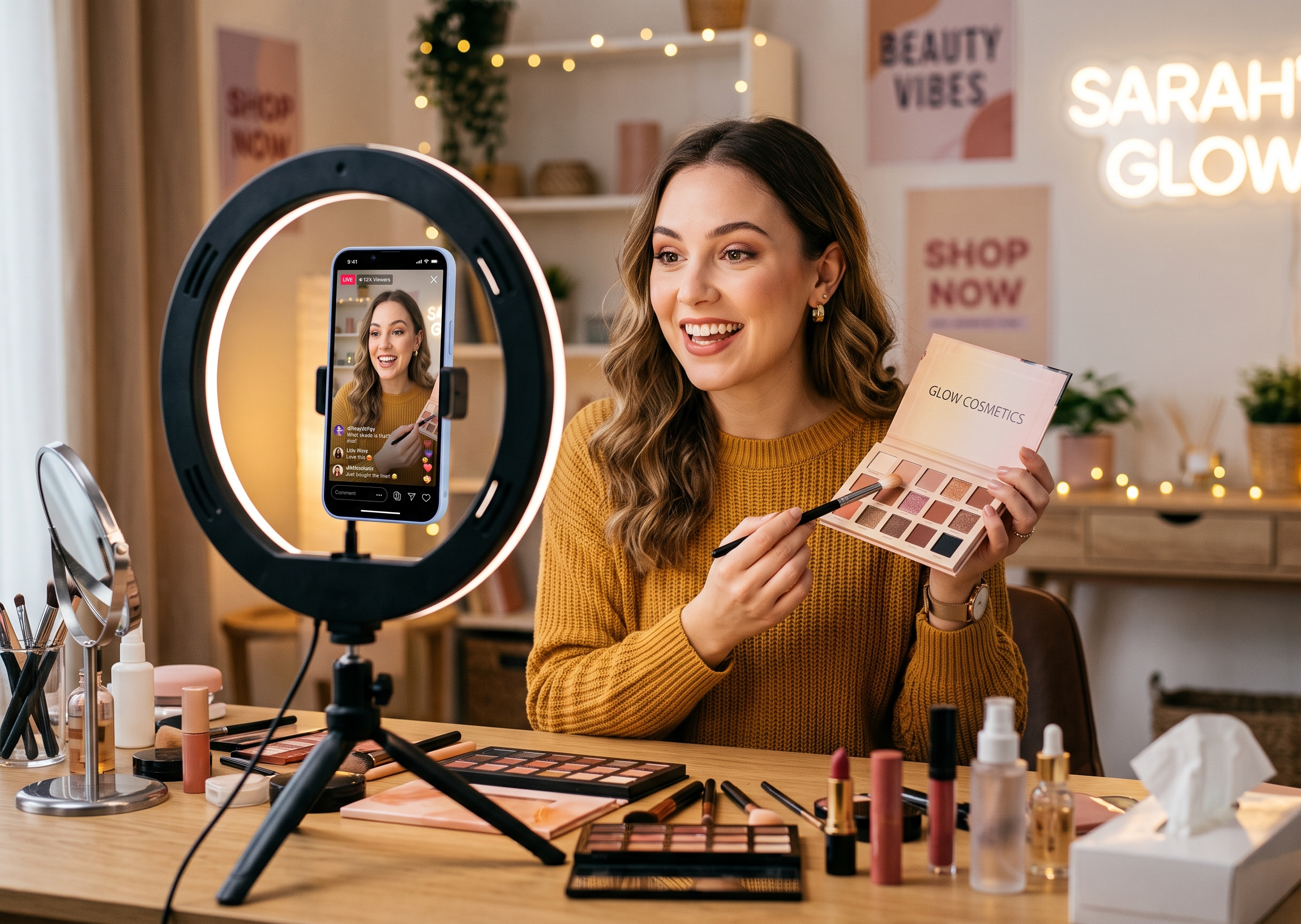
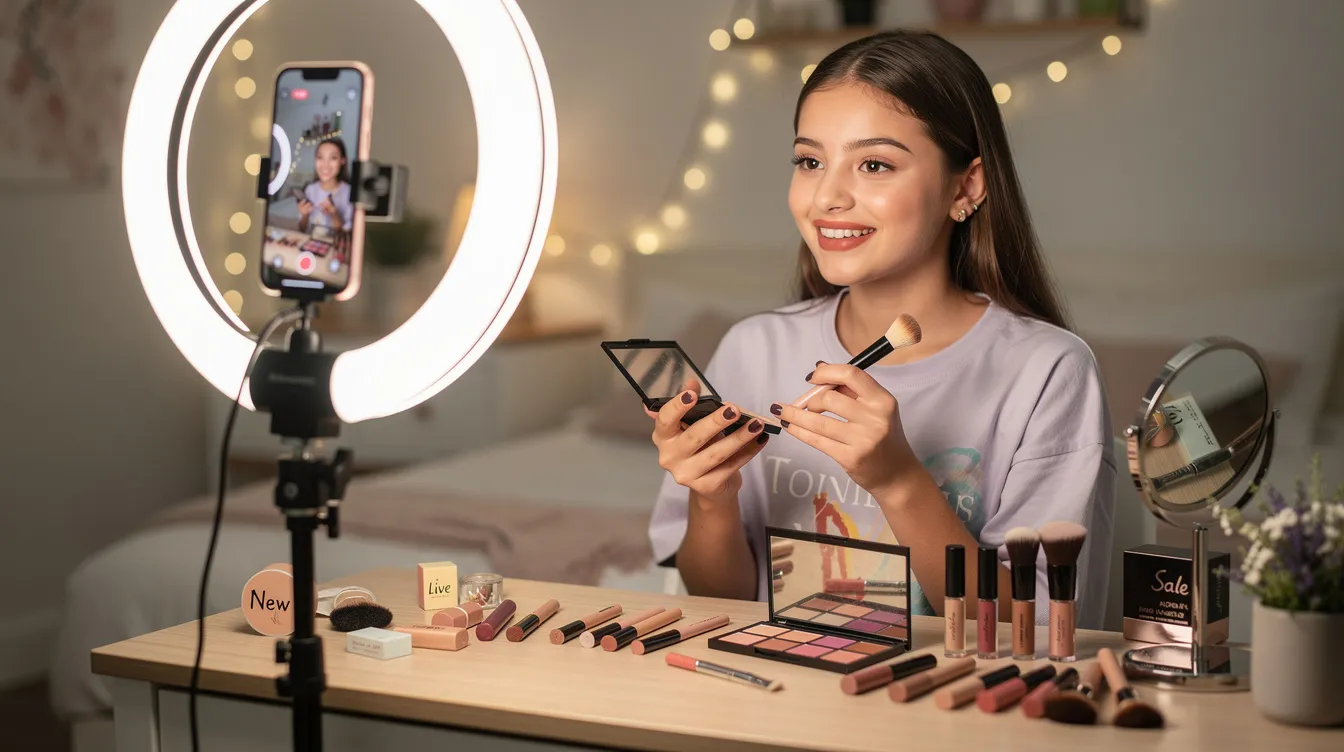
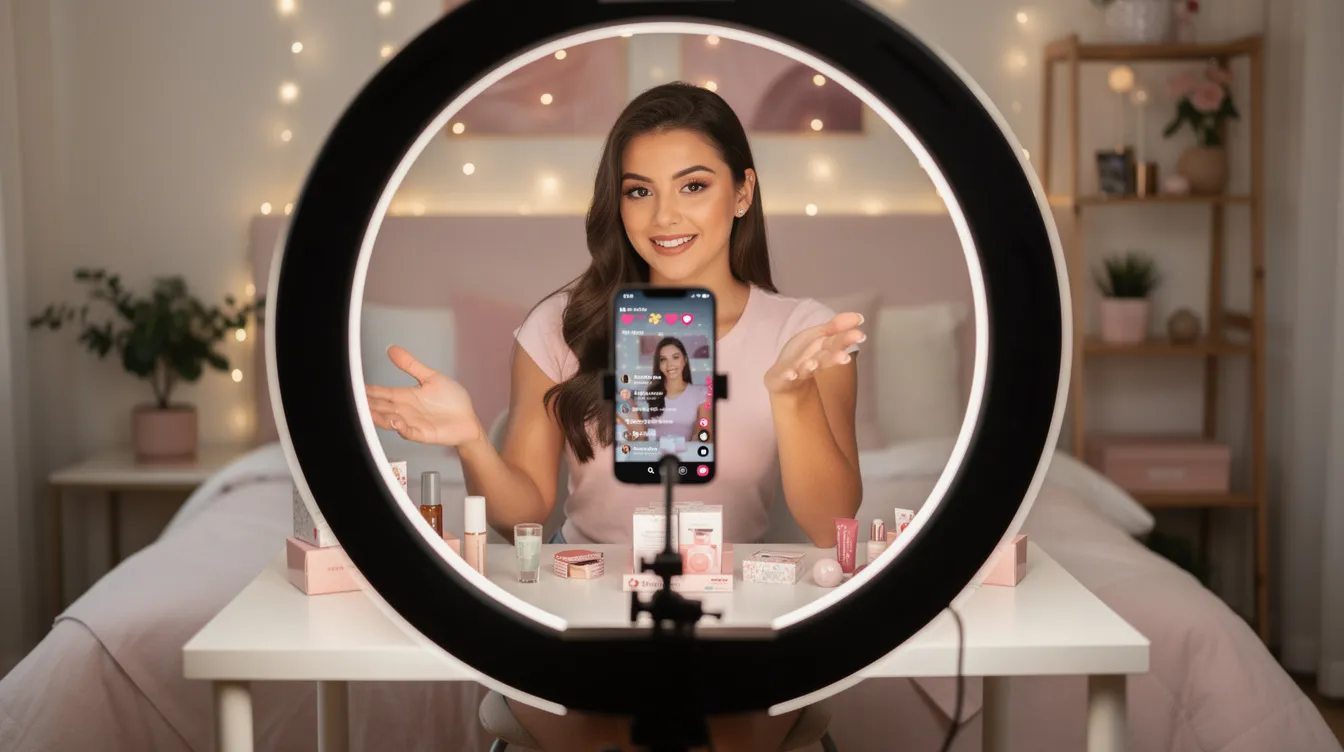
Live shopping does not need a studio. A phone, tripod, decent ring light and a quiet corner at home is enough. TikTok UK hosts around 6,000 live shopping sessions every day, and the algorithm currently gives small shops bursts of traffic from regular, engaging live streams. Regularly hosting interactive LIVE sessions helps engage potential buyers and keeps your shop visible.
To set up a live, pick a clear theme like “New in under £20” or “Live try on”, schedule it in advance, prepare five to ten products and test your sound and lighting beforehand. During the stream, greet viewers by name, answer questions out loud, offer simple live-only discounts and remind people how to tap the product link at the bottom of the screen.
For beginners, one or two 60-minute lives a week is a good starting point. Sales often pick up after the first 20 to 30 minutes as viewer numbers build. During Black Friday 2025, TikTok Shop UK sold 27 items every second at peak and live shopping revenue jumped 68% over the same period a year earlier. Save every replay and tag products, because replays still drive sales like a long shoppable video.
Using the TikTok Shop Affiliate Program and Creators
The TikTok Shop affiliate program works like this: creators choose your products, create content featuring them, and earn a set commission on each tracked sale. The TikTok Shop affiliate program offers 10% to 20% commission depending on what you set, and you only pay when a sale happens.
Affiliates are powerful for new sellers because TikTok influencers already have trust and an audience. TikTok encourages partnerships with creators for increased product visibility and conversions. Inside Seller Centre, you can set your commission rate and choose between open collaboration (any eligible creator can apply) or target collaboration (you invite specific ones).
When choosing creators, look at engagement rate, comment quality, content style and audience location rather than just follower count. Offer free products, higher commission on new launches and simple guidelines rather than strict scripts to keep things authentic. Creators need at least 1,000 followers and 50 video views in the past 28 days to qualify.
Track which creators drive the most sales and views, then deepen those partnerships with exclusive bundles or higher rates. This is where the power of affiliates really shows.
Optimising Your Shop Tab and TikTok Search Visibility
The shop tab behaves like a mini marketplace and search engine inside TikTok. Many brands ignore shop tab optimization, but getting it right can double conversion rates for your listings.
Use a clear logo, a simple shop banner and arrange featured products or collections that match what customers already buy from you. A consistent brand presentation across the shop page boosts consumer trust and conversion rates, so keep your brand identity the same across all your listings and content.
Product titles, categories and descriptions in the shop tab affect how items show in TikTok’s own search. 40% of Americans already use TikTok as a search engine, and UK users are following the same trend. Avoid all caps, include size and colour in titles where it matters, and fill in every available attribute to improve both search and filter results.
Add themed collections like “Under £10 gifts” or “Vegan skincare” to make browsing easier and increase average order value. Good reviews help conversion too; quick, polite replies to poor reviews matter, and service scores from satisfied customers affect overall ranking in product discovery.
Orders, Shipping, Returns and Fees You Must Understand
Here is how orders work: TikTok takes the buyer’s payment, passes the order to you, and expects you to ship within a set time. Sellers must fulfil orders within 72 hours to maintain ratings. Sellers should provide clear shipping terms and fulfil orders promptly, because late dispatch pushes products down in search and recommendation feeds.
Since January 2026, the standard commission fee for most product categories in the UK rose to 9% inclusive of VAT. Electronics and beauty products can qualify for a reduced 5% rate. There is no separate transaction fee for most categories; commission is the main platform charge.
Here is a worked example for a £20 product at 9% commission:
| Cost | Amount |
|---|---|
| Sale price | £20.00 |
| TikTok commission (9%) | £1.80 |
| Packaging and shipping | £3.00 |
| Affiliate commission (15%) | £3.00 |
| Returns cost (estimated 5%) | £1.00 |
| Profit per sale | £11.20 |
Returns follow standard time windows of 14 to 30 days. Keep all customer messages inside TikTok and respond within 24 hours, as response time is a visible metric and part of seller performance.
Content Ideas, Posting Schedule and Common Mistakes
TikTok rewards regular posting and testing, not perfection. Most videos will be modest while a few take off with viral videos potential. Sellers are encouraged to monitor performance metrics to refine their strategies.
A simple weekly plan might look like this: two demo videos, two behind the scenes clips, two problem-solving tips, one trend or sound-based video, plus one live shopping session. This mix keeps your audience engaged without burning you out, and gives TikTok’s algorithm enough data to learn who wants your products.
Common mistakes to avoid:
- Posting only sales clips with no story or value for viewers
- Dark or shaky video with poor lighting
- Forgetting to tag products in videos
- Leaving stock levels wrong in the shop tab
- Copying product descriptions from Amazon (low uniqueness kills search ranking)
- Replying rudely to comments or ignoring customer feedback
Buying fake followers will not help. TikTok’s algorithm looks at watch time and real actions like clicks and purchases, not follower count. Batch film several videos in one afternoon to save time, and repurpose footage across TikTok, Instagram Reels and YouTube Shorts where allowed. Watch which videos drove the most product clicks and sales, then make more in that style.
Realistic Case Studies and What They Teach You
Case studies help prove what works in practice. Here are three realistic examples rather than glossy agency stories.
Small UK vegan skincare brand: A sole trader started selling three products in early 2025, posting daily “morning routine” shoppable videos and using micro influencers through the TikTok Shop affiliate program at 15% commission. By month four, they hit £5,000 a month in GMV. Their content strategy focused on honest reviews and simple how-to clips filmed on a phone. They shipped orders same day and replied to every comment, building a base of repeat buyers.
Homeware seller with weekly lives: A small business selling kitchen gadgets ran a weekly “limited drop” live shopping show, using urgency and bundle discounts to clear stock. Their average live attracted 200 to 400 viewers and converted at around 8%, well above the platform average for their category.
The failure: One seller copied Amazon product descriptions word for word, posted once a week and shipped late. Within two months, poor reviews and falling search visibility meant almost no organic reach. Their seller score dropped and TikTok reduced their listing visibility.
Three lessons from these examples:
- Focus on value for viewers, not just selling at them
- Treat operations (shipping, replies, returns) as seriously as content
- Be patient; the algorithm needs a few weeks of consistent posting to learn who wants your products
Is TikTok Shop Worth It and How to Decide
Having watched retailers of all sizes test TikTok Shop over the past year, I think it suits certain sellers very well and others not at all. The benefits are real: a built-in audience of over a billion users, a discovery algorithm that can surface your products to people who have never heard of you, and shoppable videos that convert better than static product pages on traditional e commerce sites.
The downsides are honest too. You need to create content regularly, ship fast, handle customer service and keep up with platform rule changes. Not every product category performs well on video, and margins can get thin once you add fees, shipping and returns.
TikTok Shop suits best: visually appealing products, impulse buys under £30 to £40, problem-solving gadgets, beauty, fashion, accessories and home items that show well on video. Before you commit, ask yourself: can you handle a few hours a week of filming, do your margins cope with a 9% commission plus shipping and returns, and are your products safe and compliant?
Our advice is to start selling with a small range, test with a simple posting plan, and scale only once the numbers make sense. The sellers who do well treat this like a real business from day one.
Frequently Asked Questions
How much does it cost to sell on TikTok Shop?
The main cost is the referral commission, which is 9% of the sale price (including shipping paid by the buyer) for most UK categories since January 2026. Electronics and beauty products may qualify for a reduced 5% rate. There is no monthly subscription fee. On top of commission, factor in your own shipping costs (typically £2 to £4 per order), packaging, and any affiliate commissions you set (usually 10% to 20%). If you use paid ads, that is an additional cost. For a £20 item with 9% commission and £3 shipping cost to you, expect to keep around £11 to £14 per sale before ad spend.
Do I need a separate website to use TikTok Shop?
No. You can sell entirely through TikTok Shop without your own website. Having a website can help build trust and gives you another sales channel, but it is not a requirement. Many successful TikTok Shop sellers started without one.
Can I run TikTok Shop alongside eBay, Amazon or Etsy?
Yes, and most sellers do. The main challenge is keeping stock levels synced to avoid overselling and cancellations. You can do this manually if your range is small, or use inventory management software if you sell across several platforms. Cancellations from overselling damage your seller score.
What if my TikTok Shop products are not getting any views?
Check the basics first. Are products tagged correctly in your videos? Are you posting at least once a day? Do your titles and captions use real search phrases that buyers would type? Is your content interesting enough for someone who has never heard of your brand? If everything looks right, try different video styles, post at different times and test new product angles. Google your product category to see what phrases people search for and use those in your listings.
How long does it take to see sales from TikTok Shop?
Some sellers see orders in the first week, but for most it takes several weeks of regular content and testing before the algorithm finds the right audience. Expect to post daily for at least two to four weeks before you can judge whether a product or content style is working. Patience and consistency matter more than any single viral video.
