
How To Sell Gold In The UK And Actually Get A Fair Price
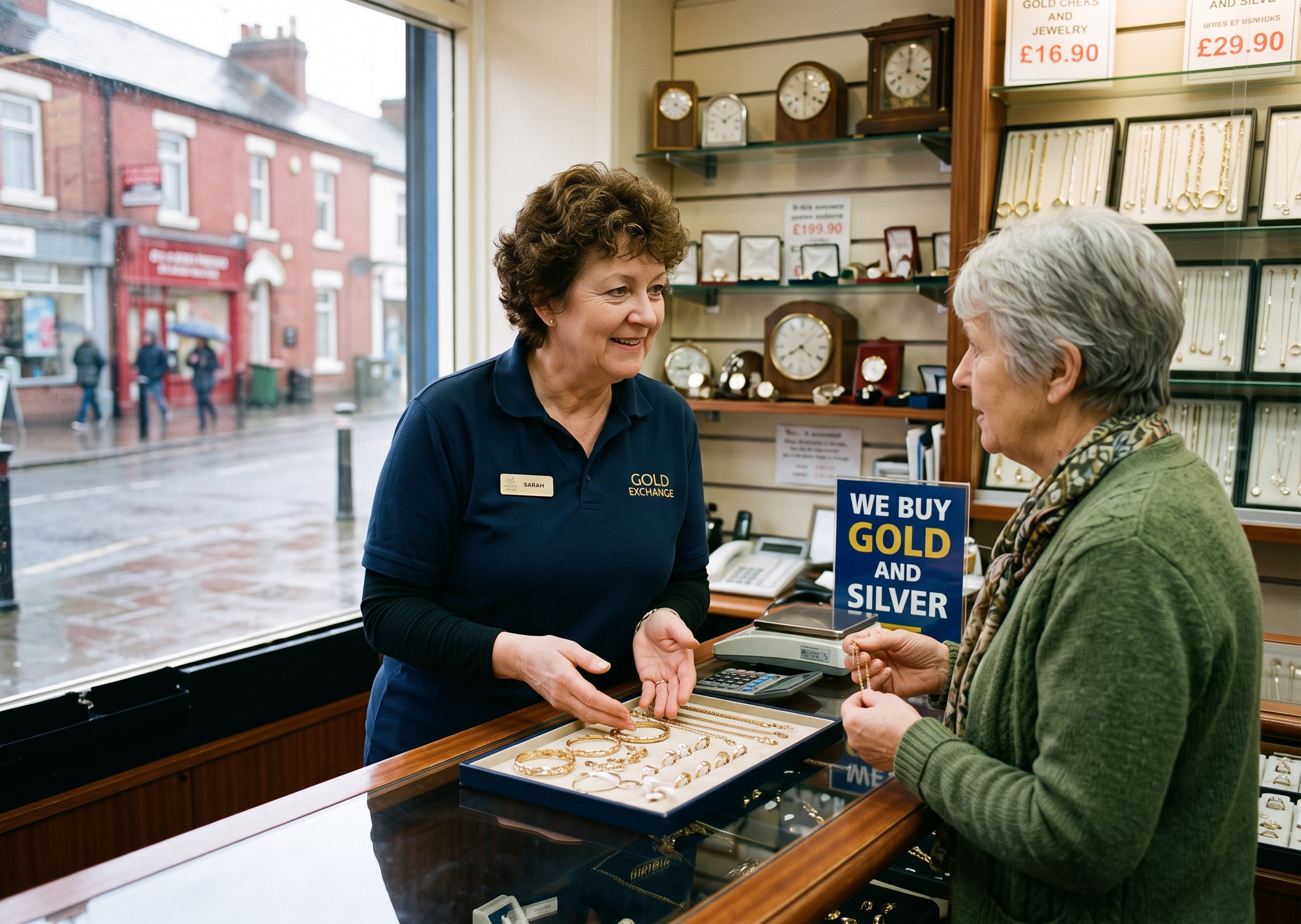
If you have old gold jewellery sitting in a drawer, a few inherited coins in a box, or even a broken chain you keep meaning to do something with, now is actually a really good time to think about selling. Gold prices have been strong in recent years, pushed up by global market volatility, rising interest rates and general economic uncertainty.
Selling gold when prices are high maximizes your returns, and many people across the UK are doing exactly that, partly because of cost of living pressure and partly because they have realised their unwanted jewellery is worth real money.
Gold comes in jewellery, coins, and bars, but it also includes things like dental gold, watch cases, cufflinks and broken bits and pieces that might look worthless but are not. Whether you have a single gold ring or a whole collection of gold items, this article is here to help you sell your gold safely and for a fair price, without getting pushed into a poor deal by someone who knows more than you do.
Everything here is written from a UK point of view, covering HMRC rules, Royal Mint coins, and how to deal with local jewellers and bullion dealers on your own terms.
Key Takeaways
- Before you sell gold, check live gold prices per gram on a trusted UK site and weigh your own items at home so you know roughly what you should be offered.
- The best value usually comes from specialist precious metals dealers and online gold buyers, not high street pawnbrokers or pop up “cash for gold” shops.
- Watch out for common tricks like quoting prices “up to” a headline rate, charging hidden fees for melting or handling, and mixing different carats together on the same scale to pay you less.
First Steps: Work Out What Gold You Actually Have
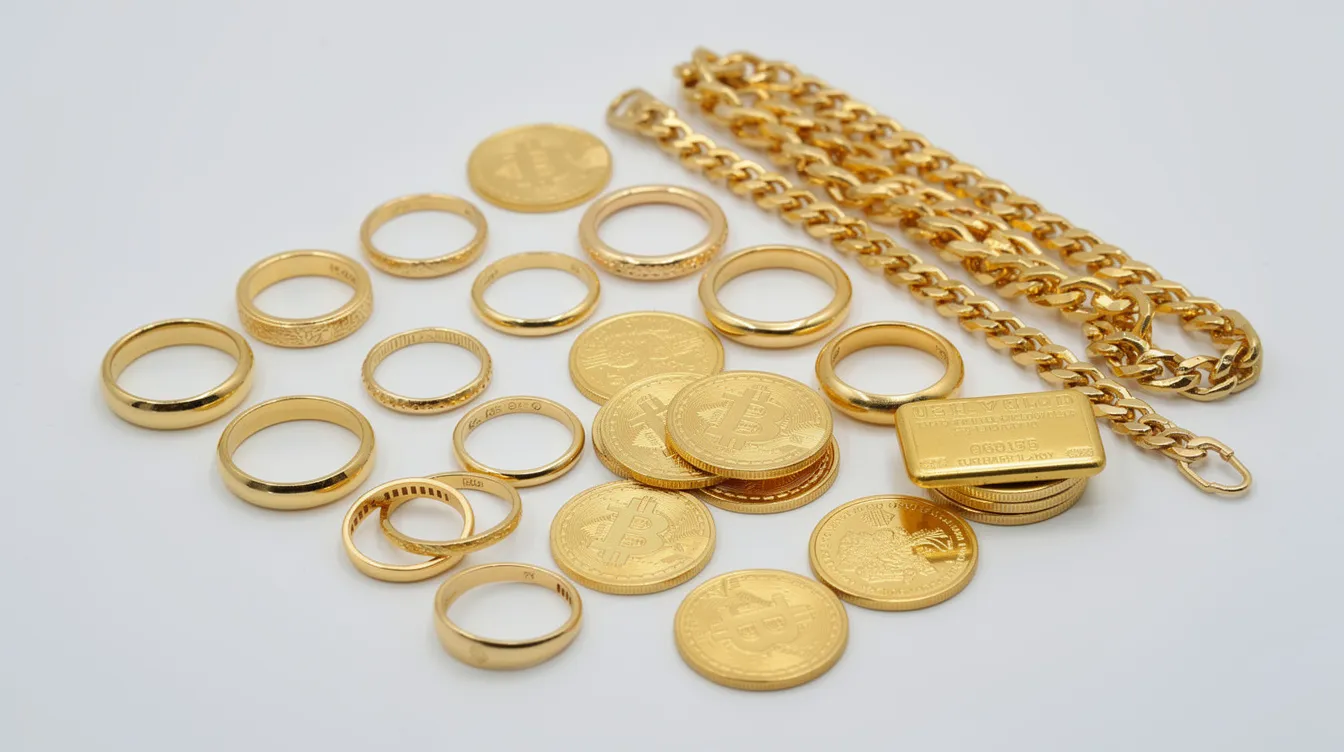
Before you contact any buyer or look up any prices, you need to know what you are working with. Start by gathering everything you think might be gold and putting it all out on a table. Then sort it into rough piles.
Here is what to do:
- Jewellery pile: rings, necklaces, bracelets, earrings, brooches and pendants.
- Coins and bars pile: any gold coins, small bars or ingots, including anything in a case or with a certificate.
- Watches and mixed items pile: gold watches, cufflinks, tie pins, lighters, and anything with gold parts.
- Broken bits pile: single earrings, snapped chains, bent rings, dental gold.
- Not sure pile: anything you think might be gold but cannot tell for certain.
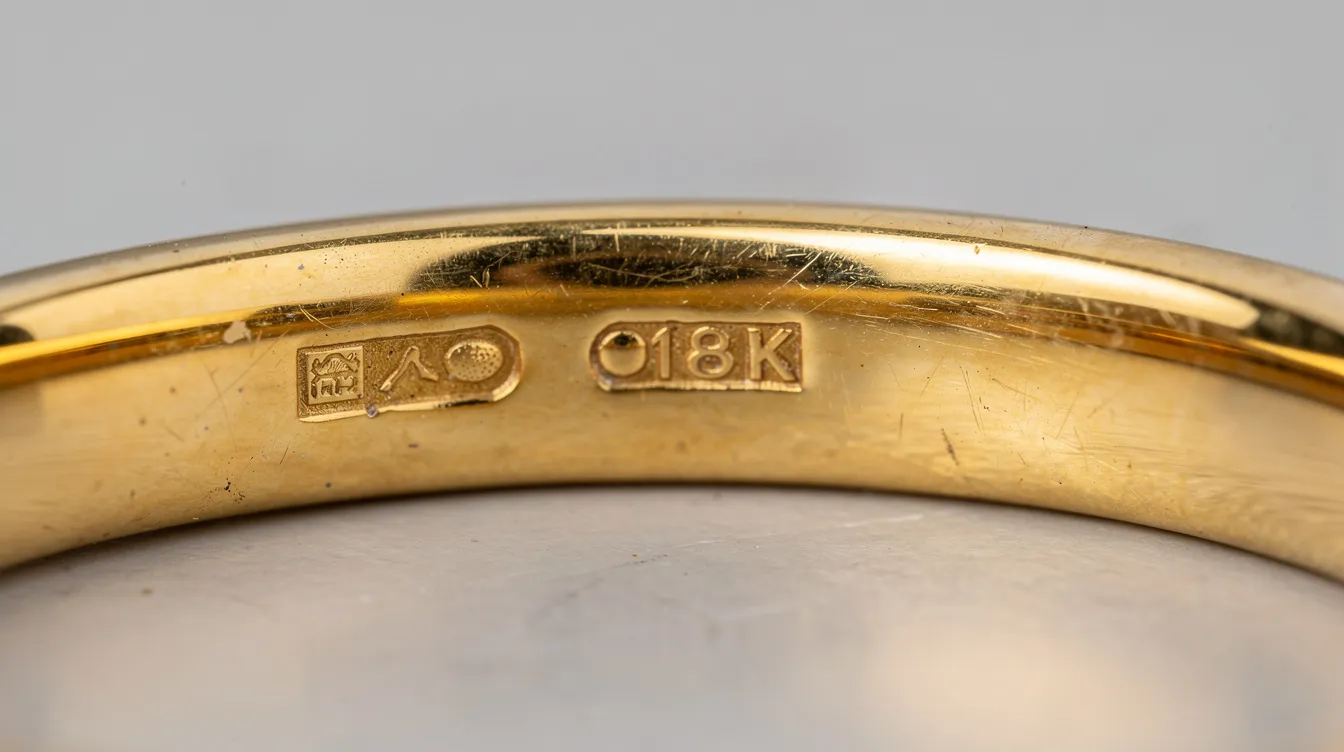
Look for hallmarks inside rings, on the clasps of chains and on the backs of earrings. Common UK marks include numbers like 375, 585, 750 and 916, which tell you the purity. Take clear photos of every item and jot down simple notes for each group, including how many pieces and any marks you can see. This makes it much easier to compare offers later.
Separate items by type and condition before selling. This means pulling out anything that is obviously not solid gold, such as gold plated fashion jewellery (often stamped “GP”, “GF” or “rolled gold”). These pieces have very little gold in them and most buyers will not want them.
You should also gather documentation on weight and type before selling. Even rough notes will help you stay organised and avoid being caught off guard when a buyer starts asking questions.
Understanding Karats, Purity And Hallmarks
Gold purity is measured in karats, with 24K being pure. In the UK, you will mostly come across 9 carat, 14 carat, 18 carat and 22 carat gold. The word “karat” (sometimes spelled “carat” in the UK) simply tells you what percentage of the metal is actually gold, because most gold jewellery is mixed with other metals to make it harder and more durable.
Here is a quick breakdown of the common UK gold fineness marks:
- 375 means 9 carat, which is 37.5% pure gold
- 585 means 14 carat, which is 58.5% pure gold
- 750 means 18 carat, which is 75% pure gold
- 916 means 22 carat, which is 91.6% pure gold
- 999 means 24 carat, which is 99.9% pure gold (the purest form available)
24K gold is the purest form of gold available, but it is too soft for most jewellery, which is why most rings and chains in the UK are 9ct or 18ct.
British hallmarks are applied by one of four UK Assay Offices: London (shown by a leopard’s head), Birmingham (an anchor), Sheffield (a rose) and Edinburgh (a castle). The hallmark usually includes a sponsor or maker’s mark (initials in a shape), the fineness number, and the assay office symbol. Some pieces also have a date letter.
If you have older rings from the 1970s or 1980s, the hallmark may be worn and hard to read. In that case, a local jeweller or specialist can test the item with an electronic tester or XRF machine to confirm its purity. This is worth doing because gold’s purity directly affects the price per gram you will be offered. Knowing the carat in advance stops buyers quietly paying 9 carat rates for 18 carat pieces.
Jewellery often contains mixed metals, which also affects its value. If a ring has a steel spring or a watch has a non gold back, the buyer will only pay for the gold parts.
How Gold Prices Work In Practice
Gold prices change every single day, and sometimes they shift during the same day. This matters because the price you are offered on a Monday morning could be different from what you would get on Wednesday afternoon. Gold prices fluctuate due to global demand and economic factors, so it is worth keeping an eye on them if you are planning to sell.
The global benchmark is called the spot price. This is the live market price for pure gold per troy ounce, and it is set by the London Bullion Market Association (LBMA). Gold prices are based on live market rates, and every dealer in the UK works back from this spot price to calculate what they can pay per gram for different carats. The gold price per gram is often quoted based on spot price, with adjustments made for purity, refining costs and the buyer’s margin.
Before you sell, check live market prices on at least two UK bullion sites on the morning you plan to sell. You will never get the full spot price for your gold because buyers need to cover their costs and make a profit. But most reputable buyers clearly list what they pay per gram for 9ct through to 24ct.
The current scrap gold price is approximately £97.72 per gram for pure 24ct gold. Expect scrap gold buyers to offer 70% to 90% of the melt value for gold, depending on the buyer, the purity and the condition of your items.
Here is a worked example to show you what “fair” actually looks like. The value of gold is calculated by multiplying weight by purity percentage and current spot price:
Example: 10 gram 18 carat gold ring
- Spot price for 24ct: approximately £97 per gram
- 18ct is 75% pure, so melt value = 10g x 0.75 x £97 = £727.50
- A specialist dealer paying 90% of melt = approximately £655
- A less reputable buyer paying 70% = approximately £509
That is a difference of almost £150 for the same ring, which is why comparing gold buyers and tracking current gold prices helps determine the best selling time and best return.
Weighing Your Gold Accurately At Home
This is a quick but important step. Weighing your gold at home gives you a solid baseline so you can spot a poor offer immediately.
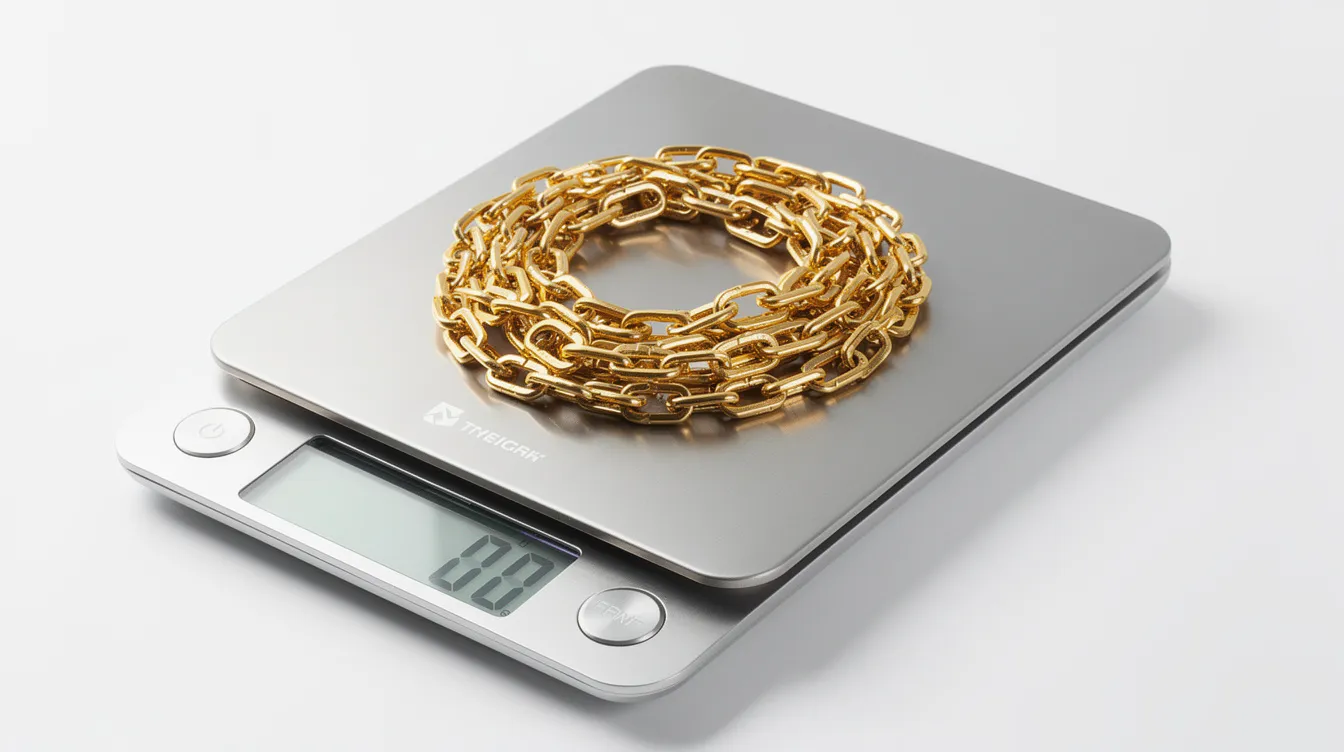
Buy a small digital scale that reads in grams to one decimal place. You can find decent jewellery scales online for under £15. Weigh gold using a digital scale accurate to 0.1 grams for the best results. To check your scale is accurate, weigh a new £1 coin, which should come in at around 8.75 grams.
Weigh your gold items without packaging, and group them by carat. This is important because some buyers weigh mixed carats together on the same scale, which lets them round down and pay you based on the lowest carat in the pile. Always insist your items are kept separate.
Here is a quick example so you can estimate a fair price before speaking to anyone:
20 grams of 9ct scrap gold
- If a specialist buyer is paying £36.84 per gram for 9ct
- Your estimated payout = 20 x £36.84 = £736.80
If a buyer offers you significantly less than this for 20 grams of clean, hallmarked 9ct gold, you know something is off and it is time to get another quote.
Spotting When Gold Is Worth More Than Scrap
Not all gold should be sold for scrap. Some items have extra value beyond their metal weight, and selling them to a scrap buyer would mean leaving money on the table.
Here is what to look out for:
- Vintage and antique jewellery: pieces from certain eras, especially Art Deco, Victorian and Georgian, can be worth significantly more to a collector than their gold weight alone. Certified appraisers can help ensure fair valuations for gold items like these.
- Signed designer pieces: jewellery by brands like Cartier, Tiffany, Bulgari or Van Cleef and Arpels carries a premium. A scrap buyer will ignore the brand and just pay for the metal.
- Sovereigns and Britannia gold coins: gold coins can be collectible or investment grade, and certain years or proof editions can be worth well above their bullion value. Check dates carefully.
- Hallmarked wedding rings and chunky chains: if they are in good condition with clear hallmarks, a jeweller might pay more than scrap to resell them.
Selling designer or collectible pieces through auctions can yield higher prices than scrap valuations, so it is worth getting a second opinion for anything unusual before you sell scrap gold to a dealer who only pays by weight.
Different Ways To Sell Your Gold In The UK
There is no single “best” way to sell gold. It depends on how quickly you need the money, how much gold you have, and how comfortable you feel dealing with different types of buyers. You can sell gold by post or in person, and each method has trade offs.
Here are the main options:
- Specialist bullion dealers: often the highest prices paid for coins and bars and high purity scrap. Slower but better value.
- Online gold buyers: good per gram rates, convenient, but you need to post your gold. Same day payment is available after gold verification with many services.
- Local jewellers: handy for items with design or brand value. Scrap prices tend to be lower than specialists.
- Pawnbrokers: instant cash but usually poor value. Best for emergencies.
- High street “cash for gold” shops: fast but rarely competitive prices.
- Auction houses: best for rare, collectible or designer pieces. Slow and fees apply.
- Peer to peer selling: potentially the best price for gold coins with collector premiums, but comes with risk.
Gold buyers generally focus on the melt value of jewellery unless it has collectible or designer value. Some dealers also buy other forms of precious metals such as silver bars, silver coins, platinum and palladium, which can be sold at the same time.
Selling To Specialist Precious Metals Dealers
If you want the best price for your gold, specialist precious metals dealers and bullion dealers are usually your best bet. These are established businesses, often found in cities like London and Birmingham, that deal in physical gold and other precious metals every day.
Here is what to expect:
- They base their offers closely on live gold prices and display rates per gram by carat on their website or on boards in the shop.
- They buy a wide range of gold items including coins and bars, broken jewellery and other forms of scrap, and often pay more than local jewellers for pure gold bullion.
- Gold Traders, for example, pays 90.9% of the spot price for scrap gold, which is significantly better than most high street options.
- The Royal Mint also offers competitive rates for gold sales and provides a simple and transparent selling process for bullion coins and bars.
To find reputable dealers, look for membership of trade associations, a long trading history and independent customer reviews rather than just adverts. Ring ahead and ask for today’s rate per gram, the payment method and any fees. If the deal changes when you arrive in person, walk away.
Selling Gold Online For Convenience
Selling your gold online is one of the most popular options in the UK right now, and for good reason. Many online gold buyers offer better per gram prices than local high street options because they have lower overheads.
Here is how it typically works:
- You request a free “gold pack” or postage kit from the buyer.
- You pack your gold securely and send it using Royal Mail Special Delivery, which gives you tracking and insurance.
- The buyer receives, tests and weighs your items.
- You get a valuation, usually the same day.
- If you accept, payment goes straight to your bank account, often on the same day. Same day payment is available after gold verification with most reputable services.
Reputable dealers provide secure methods for sending gold, and honest online buyers will return items free of charge if you are not happy with the valuation. If a buyer pressures you to accept quickly or makes it difficult to get your gold back, that is a red flag.
When comparing online buyers, look for:
- Clear gold prices listed per gram for each carat
- No hidden fees for melting, handling or postage
- Secure websites and simple terms and conditions
- A transparent process from start to finish
Always keep your own photos, a list of gold items sent and Royal Mail tracking numbers. Use secure and insured shipping methods when selling gold online, because if a parcel goes missing without tracking, you have very little comeback.
Selling To Local Jewellers And High Street Shops
Local jewellers can be handy, especially if you prefer a face to face conversation and want someone to look at your jewellery properly. But it is worth setting your expectations early because they often do not pay the highest prices for scrap gold.
Where jewellers can be useful is if you have good condition rings, designer pieces or items with gemstones that they can clean up and resell. In those cases, they might pay more than a scrap buyer because they see value in the craftsmanship and design, not just the metal.
If you want to sell your gold on the high street:
- Get written quotes from at least two or three local jewellers.
- Ask how the price is worked out. Is it purely based on weight and carat, or are they also considering brand, gemstones and workmanship?
- Be aware that some “cash for gold” shops in shopping centres focus on speed over value, with offers well below what you could get from online gold buyers.
Always ask whether the jeweller is paying scrap value or something more, so you know exactly what you are agreeing to.
Pawnbrokers And Instant Cash Options
There is an important difference between pawning gold and selling it. Pawning means the pawnbroker gives you a loan secured against your gold. You get immediate cash but you have to pay back the loan plus interest to get your gold back. Selling outright means you hand over the gold and get cash or a bank transfer in return, with no option to reclaim it.
Pawnbrokers can be useful if you need short term cash but want the option to buy back your gold later. However, interest rates on pawn loans can be surprisingly high, so the total cost of borrowing may not be worth it.
Selling outright to a pawnbroker is usually fast. You walk in, they test and weigh your gold, and you leave with immediate payment. But the prices paid are rarely the best, especially for high purity or investment grade gold items.
My honest advice: treat pawnbrokers as a last resort if you need urgent money rather than the first place to go if you want best value. Always get a copy of the contract or receipt, and check that the pawnbroker is properly licensed and regulated in the UK.
Selling Gold Coins And Bars The Right Way
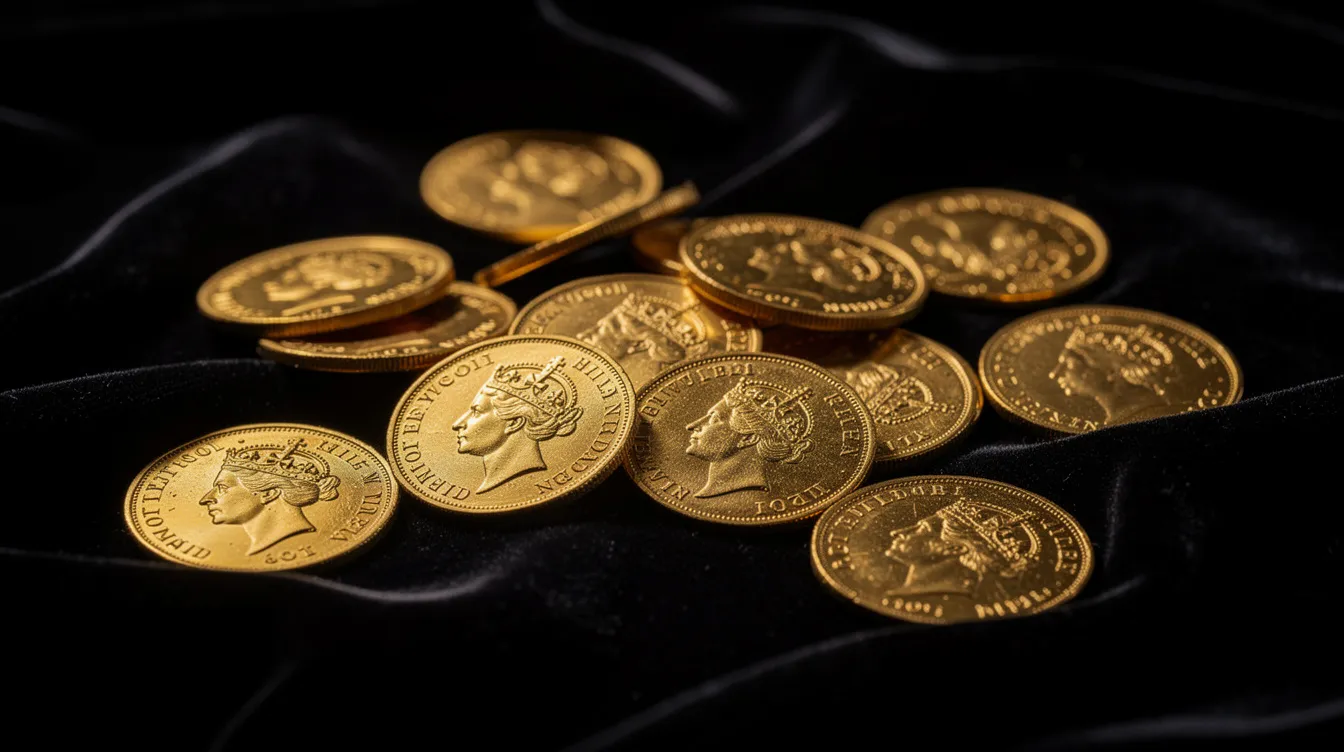
Gold coins and gold bars are usually closer to pure gold bullion and should be treated differently from everyday scrap jewellery. Gold bars are typically pure gold and easier to value because they come with clear weight and purity markings. Gold coins can be collectible or investment grade, so their value may go beyond just the metal.
Popular UK bullion coins like full sovereigns and gold Britannias from the Royal Mint are easy to sell and often tax efficient (more on that in the legal section below). Compare prices from several bullion dealers before you commit.
Here are a few things to keep in mind:
- Condition matters. Coins in their original capsules or packaging with certificates of authenticity will generally fetch higher value than loose, scratched ones.
- Avoid cleaning valuable coins or jewellery as it can diminish their collector value. Never polish or scrub gold coins before selling, even if they look tarnished. Cleaning can damage the surface and reduce what a specialist buyer is willing to pay.
- Some dealers also make offers on silver bars, silver coins and other precious metals at the same time, which can save on postage and effort if you have a mixed collection.
For proof or limited edition coins, consider getting them valued by a specialist coin dealer or auction house rather than selling to a general scrap buyer. Bullion coins are usually best sold to a bullion dealer who understands their market.
How To Compare Gold Buyers Fairly
Comparing gold buyers is one of the most important things you can do. It is important to get multiple quotes before selling gold to ensure a fair price. But you need to make sure you are comparing like for like.
Here is a simple way to do it. Create a small table on paper or in a spreadsheet with these columns:
| Buyer A | Buyer B | Buyer C | |
|---|---|---|---|
| Price per gram (9ct) | |||
| Price per gram (18ct) | |||
| Any fees or deductions | |||
| Payment method | |||
| Payment speed | |||
| Return policy | |||
| Customer reviews |
Get at least three quotes, making sure each buyer is pricing the same weight and carat so your comparison is fair. A slightly lower price per gram with no commissions or postage costs can sometimes beat a higher headline rate that comes with a long list of charges.
Look beyond marketing claims like “top prices” or “highest prices guaranteed”. Focus on the clear numbers and how easy it is to get your items back if you change your mind. It is also advisable to research buyer credentials to avoid scams when selling gold. Check online reviews, look for how long the business has been trading, and see if they are a member of any professional body.
Negotiation Tips To Get A Fair Price
You are absolutely allowed to negotiate, and polite haggling is normal when selling gold, especially face to face. Do not feel awkward about it.
The key is to go into any conversation already knowing the live gold prices per gram and your own estimated metal value. If you have done your homework, you will be able to spot a poor offer immediately.
Here are a few simple phrases that work well:
- “What is your best rate today for 18 carat per gram?”
- “I have had a quote from another buyer for £X per gram. Can you match that?”
- “Can you show me how you worked out that weight?”
Keep calm and be ready to walk away. There will almost always be another buyer willing to pay a better price. Rushing into a sale because someone is putting pressure on you is one of the worst things you can do.
With online buyers, negotiation is harder because rates tend to be fixed. But some online gold buyers may match a better written quote from a competitor if you ask, so it is always worth trying. A fair quote should reflect the real metal value of your items, not a vague estimate.
Safety And Security When Posting Or Carrying Gold
Whether you are posting gold or carrying it to a shop, a few simple safety steps will protect you.
If posting gold:
- Use Royal Mail Special Delivery with full insurance. This gives you tracking and a signature on delivery.
- Use discreet packaging and never write “gold” on the label.
- Keep copies of your tracking receipt and a list of everything you have sent.
- Photograph gold items before handing them over to potential buyers for your own records.
If selling in person:
- Visit during daylight hours.
- Take a friend or family member where possible.
- Avoid carrying large amounts of cash home afterwards. Ask for a bank transfer instead.
- If a buyer offers immediate cash, think about whether you feel safe carrying it.
And a gentle reminder: do not advertise on social media that you are carrying or storing lots of gold. It sounds obvious, but it is worth saying. A secure environment for the transaction is always the priority.
Understanding Fees, Commissions And Hidden Costs
The price a buyer advertises is not always what ends up in your bank account. Hidden fees can eat into your payout, and some buyers are much less upfront about them than others.
Here are common charges to watch for:
- Testing fees: some buyers charge to test your gold’s purity, even though testing is a standard part of their process.
- Melting or refining fees: a deduction to cover the cost of melting down and refining your scrap gold.
- Admin or handling fees: vague charges that some buyers add on top.
- Postage deductions: where the buyer takes the cost of your shipping out of your payment.
- Small lot discounts: paying a lower rate per gram if you are only selling a few grams.
Buyers may also deduct for stones or non gold components when calculating gold content. If your ring has a diamond, they will not pay gold rates for the weight of the stone.
Hatton Garden Metals, as one example, guarantees prices with no hidden fees, which is the kind of transparency you should be looking for. Honest buyers will always set out costs in writing before any gold is sent or handed over. If a buyer gives you vague answers about deductions, treat that as a warning sign.
Ask every buyer for the exact amount you would receive for a specific example, such as 20 grams of 18 carat scrap, after all costs. And do not forget to factor in your own travel costs and time, especially if you are thinking of visiting a buyer in another city for a small amount of gold.
Common Tricks And Scams To Watch Out For
The good news is that most gold buyers are honest. But a small number use tactics that are designed to pay you less than a fair price. Here is what to look out for.
- Mixing carats together: some buyers put all your items on the scale at once, then value everything at the lowest carat. If you have 9ct and 18ct mixed together, insist they weigh and price each carat separately.
- Switching scales: using scales that weigh in pennyweights (an American measure) instead of grams, which confuses sellers. All trade scales in the UK should be Class II trade approved and read in grams.
- “Up to” pricing: quoting a very high rate per gram in adverts, then explaining once you are in the shop that your items are somehow an exception and worth much less.
- Downgrading purity: quietly classing 18 carat jewellery as 9 carat, especially if hallmarks are worn.
- Pop up buyers: travelling “roadshows” or hotel gold buyers who offer instant cash on the spot but vanish afterwards, making complaints impossible.
Any buyer who refuses to return items when asked, delays payment without a good reason, or pressures you for an instant decision should be avoided. A transparent service will always give you time to think and will not make you feel rushed.
Legal And Tax Points For UK Sellers
Selling personal gold in the UK can sometimes trigger Capital Gains Tax, but most small sales will not. Here is what you need to know in plain English.
According to HMRC rules, personal possessions worth £6,000 or more (excluding your car) are considered chargeable assets. If you sell gold items and make a profit above the annual CGT exemption, you may need to report it and pay tax on the gain.
However, certain UK coins are exempt. Sovereigns minted from 1837 onwards and Britannia coins are classed as legal tender and are usually free from Capital Gains Tax for individuals. This is one of the reasons they are popular with investors.
Providing valid photo ID is legally required when selling gold to prevent the trade of stolen goods. Most reputable buyers will ask you for identification, and this is perfectly normal.
Keep simple records of what you paid for any investment gold, when you bought it and what you sold it for, even if you think tax will not be due. If you are selling large amounts of gold or doing it regularly, it is worth speaking to a tax adviser or accountant for tailored advice.
Emotional Value Versus Cash Value
This is something that does not get talked about enough. Many people are tempted to sell gold jewellery that has real emotional meaning, whether it is a wedding ring from a grandparent, an inherited locket or a christening bracelet. And sometimes the money is genuinely needed.
But it is worth thinking carefully before you sell inherited or sentimental pieces. Once scrap gold is melted, there is no way to get the original piece back. The ring is gone forever.
Here are a few suggestions:
- Start by selling less sentimental pieces first, like broken items, odd earrings or old jewellery you have no attachment to.
- Write a simple list of which items you absolutely do not want to sell in a rush.
- Consider alternatives like resizing, repairing or repurposing a sentimental piece rather than scrapping it.
- Give yourself a cooling off period before making final decisions about anything with memories attached.
No reader should feel pressured by a buyer, friend or relative to sell gold they are not ready to part with. The cash will still be there tomorrow. The memories attached to a piece might not be replaceable.
Step By Step Checklist Before You Sell
Before you sell your gold, run through this checklist. It takes a bit of time but could easily save you hundreds of pounds.
- Gather and sort all gold items into groups: jewellery, coins and bars, broken bits, and “not sure”.
- Identify hallmarks and write down the carat or fineness number for each item.
- Weigh each group using a digital scale accurate to 0.1 grams. Note the totals.
- Check live gold prices on at least two UK bullion websites that morning.
- Research buyers by reading reviews, checking credentials and looking at how long they have been trading.
- Get at least three quotes, making sure each buyer prices the same weight and carat.
- Ask about all fees including melting, testing, postage and handling before you agree to anything.
- Read the small print on any terms and conditions, especially return policies.
- Decide your “walk away” price, the minimum you will accept. Do not go below it.
- Choose your payment method: bank transfer is usually safest and gives you a clear record.
- Photograph everything and keep notes of all offers received.
Once you have followed this checklist, you can sell your gold with much more confidence. You will know what your items are worth, what a fair offer looks like, and when to walk away. If you help friends or family sell later, your notes will be useful for them too.
Making The Most Of What You Have
Anyone in the UK can sell gold safely and sensibly by knowing what they own, checking real gold prices on the day, and taking time to compare buyers. It does not need to be complicated or stressful.
The best value usually comes from specialist gold buyers and trusted buyers with clear, published rates. Treat coins and bars differently from everyday scrap jewellery, and always get more than one quote. Comparing offers from multiple buyers can genuinely increase your selling price by hundreds of pounds.
And finally, never feel rushed into selling. The market will still be there next week. Keeping one or two sentimental pieces is often worth more in the long run than a small extra payment today. Your financial goals matter, but so do the things money cannot buy.
Frequently Asked Questions
Is it better to sell gold now or wait if prices seem to be changing?
The honest answer is that nobody can time the market perfectly. Gold prices are influenced by global market volatility and interest rates, and they can go up or down for reasons that are hard to predict. If the price of gold is high today and you need the money, selling now is a perfectly reasonable decision. Waiting for a slightly higher price could also mean watching the price drop. A good middle ground is to check market trends over a few weeks and sell when you feel comfortable with the numbers, rather than trying to hit the absolute peak.
Should I sell an engagement ring with diamonds for scrap or take it to a jeweller?
If your ring has diamonds or other gemstones, do not sell it to a scrap gold buyer. They will only pay for the gold weight and will deduct the weight of the stones, giving you nothing for the gems themselves. Instead, take it to a jeweller, a specialist antique dealer or an auction house where the whole piece can be valued properly. The stones, the setting and the brand can all add significant value on top of the metal content. Even getting a valuation from an expert team at an auction house could be worth the effort.
Can I sell very small amounts of gold, like a single earring or a tiny broken chain?
Yes, most specialist buyers and online gold buyers will accept small amounts. There is usually no strict minimum weight, though some online services prefer you to send at least a few grams to make the postage and processing worthwhile. For very small amounts, a local jeweller or a post office gold buying service might be more practical. Even small amounts of gold have real value at today’s prices, so do not throw broken items away just because they seem insignificant.
Can I sell gold on behalf of a family member, like an elderly parent?
You can, but buyers will usually ask for some form of proof that you have the right to sell. This might mean bringing the owner’s photo ID as well as your own, or having a signed letter of authority. If you have power of attorney, bring a copy of the document. Most reputable buyers are careful about this to prevent the sale of stolen goods, so do not be surprised or offended if they ask questions. It is a sign of a hassle free, legitimate business rather than a problem.
Do I need to declare the money I get from selling old jewellery?
For most people selling personal old jewellery, no tax will be due. Capital Gains Tax only applies if the item was worth more than £6,000 and you made a profit above your annual CGT allowance. Sovereigns and Britannia bullion coins are usually exempt from CGT entirely. But if you are selling large amounts, particularly investment gold bars or coins, or if you buy gold and sell gold regularly as a form of trading, you should keep records and consider speaking to a tax adviser to make sure you are staying on the right side of the rules.
