
How to Sell Books in the UK and Actually Make It Worth Your Time
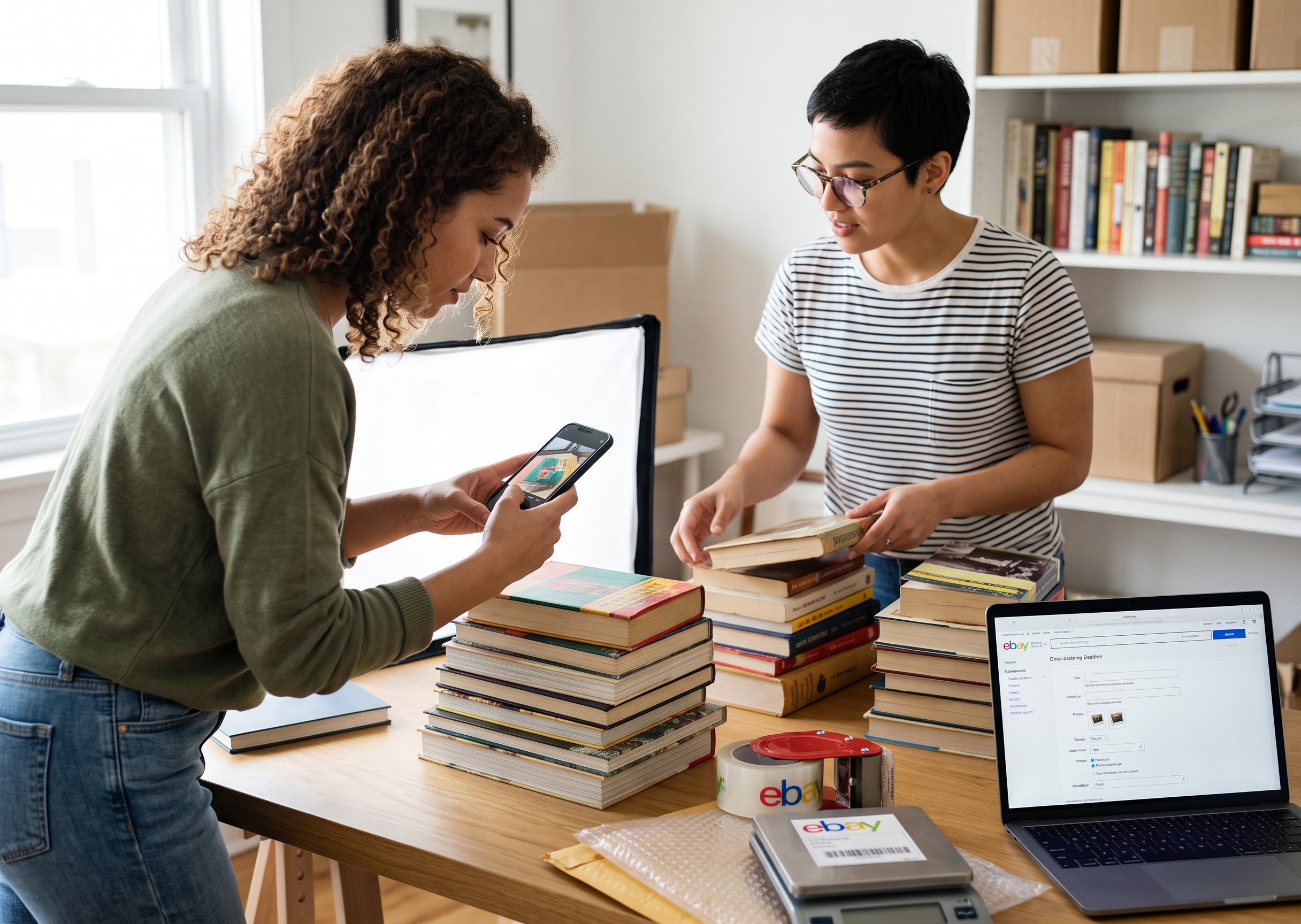
If you have shelves full of books you have already read, textbooks from courses you finished years ago, or boxes of paperbacks inherited from a relative, turning them into money is easier than you might think.
The catch is that most ordinary second hand books are worth very little, so knowing where to focus your time is what makes the difference between earning a few pounds and wasting an entire weekend.
This guide covers everything from quick scan and send apps to selling valuable books individually, with honest advice on what to expect and how to avoid common mistakes.
Key Takeaways
- Decide early whether you want quick cash and free collection, or higher prices with more effort and slower sales.
- Scan everything first with a few book buying apps, then pull out any valuable or collectible books to sell separately.
- Most ordinary second hand books are worth pennies, so focus your time on the handful that might fetch £5, £10 or more.
Start Here: Work Out What You Want from Selling Your Books
Before you do anything else, be realistic. Books lose value quickly after purchase, especially common titles. That bestseller you bought in 2019 might only be worth 15p now. But it is still worth doing this, because the combination of extra cash and reclaimed space in your house adds up.
There are two basic approaches, and most people end up using both:
- Fast clear out using book buying sites that offer free postage or free collection. You scan barcodes, accept the offers, box everything up and send it off. Quick, easy, low effort.
- Slower, higher value sales where you list your best books individually on selling platforms like eBay, Amazon Marketplace or Vinted. More work, but you can earn several pounds per book instead of pennies.
Common reasons UK households and students sell books include:
- Decluttering a book collection before moving house
- Turning old books into extra cash
- Selling graphic novels and comic books to collectors
- Clearing student textbooks after exams
- Making space in children’s rooms after kids have grown out of certain titles
Selling textbooks can be particularly profitable if the edition is still current. A 2024 psychology textbook still on a reading list might fetch £6 to £10, while a random airport thriller from 2017 might bring in 10p.
Sort Your Book Collection Before You Try to Sell
Put the kettle on, clear some floor space, and pull all the books off your shelves. Sorting first saves you time later because you will quickly see where the value might be.
Group everything into rough piles:
- Everyday paperbacks (fiction, thrillers, romance)
- Kids books and young adult novels
- Textbooks and study guides
- Graphic novels, comic books and manga
- Coffee table books and cookbooks
- Obviously old books or vintage hardbacks
Make a separate “must keep” pile for anything sentimental. Childhood favourites, gifts with personal inscriptions, or local interest books are the sort of thing people regret selling later.
Now check condition carefully. Water stains, broken spines, mould, missing pages, scribbles in the margins, and missing dust jackets all reduce what buyers will pay. Condition and edition significantly affect a book’s resale value, so a tatty copy of a classic novel is worth far less than a clean one.
Flag anything that might be worth separate research:
- Signed copies with a verified signature
- First editions (check the number line on the copyright page)
- Special editions with sprayed edges, limited print runs, or numbered copies
- Out of print graphic novels or complete manga sets
- First edition Harry Potter books can be highly valuable, sometimes worth thousands
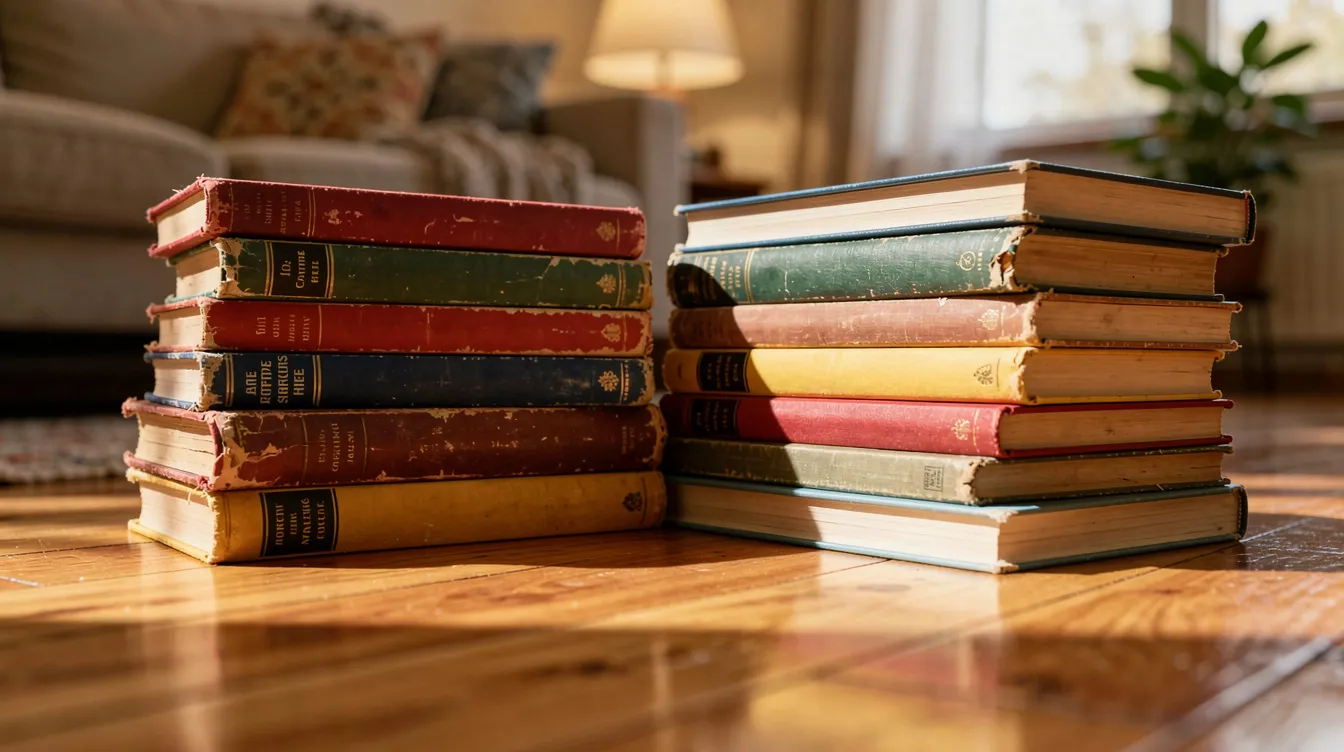
Get Quick Valuations Using Book Buying Apps
The fastest way to sell books online in the UK is to use book buying apps. Download WeBuyBooks, World of Books, and musicMagpie, then start scanning barcodes or typing in ISBNs.
Each app gives you an instant offer in pence or pounds. To give you a sense of the numbers:
- A 2018 paperback bestseller might get offered 15p
- A 2022 academic textbook still on university reading lists might get £6
- Many books will come back with a 0p offer, meaning the service does not want them
Free postage is offered for sending books to WeBuyBooks, and they also offer free collection for bulk book sales. World of Books allows bulk selling without individual listings, which makes it easy if you have a big pile. musicMagpie works in a similar way.
Here is the important bit: scan the same book on at least two services and compare. One app might offer 10p and another 60p for the same title. Over 50 or 100 books, that difference adds up fast.
WeBuyBooks pays sellers the next day after receiving books, which is handy if you want the money quickly. Next day payment is provided after books are received and checked, so there is very little waiting around.
When to Use Book Buying Sites for a Fast Clear Out
These services are the best way to sell books when you have a large pile and most titles are nothing special. Think of them as wholesale for ordinary books.
They are ideal when:
- You are clearing 200 books after a house move
- You are emptying a student flat in June and cannot be bothered with individual listings
- You have inherited books that are not obviously collectible but you mainly want space
- Bulk selling can simplify the selling process significantly when you have too many books to deal with one at a time
The trade off is clear. Offers will be low for many titles, and some will not be accepted at all. But you get speed, free collection from your door, and cash without photographing or describing each book separately.
Keep back anything that looks unusual or collectible. Those are the books worth selling yourself.
Sell the Best Books Yourself for More Money
For the top 5 to 20 per cent of your collection, listing individually on a selling platform will get you a better price. The main places to sell books online as a private seller in the UK are:
| Platform | Best for | Fees |
|---|---|---|
| eBay | Collectible books, rare titles, niche non fiction | Final value fee + 0.35% regulatory fee |
| Vinted | Fiction, kids books, graphic novels | No seller fees |
| Amazon Marketplace | Textbooks, popular non fiction | Referral fee of 15.3% for books over £5 |
| AbeBooks | Rare and antiquarian books | Subscription + commission |
Vinted allows selling books without seller fees, which makes it a great option for books in the £3 to £8 range where fees would eat into your profit elsewhere. Amazon charges a referral fee of 15.3% for books over £5, so factor that in before listing.
Amazon also offers two fulfilment methods: FBA and MFN. Fulfilment by Amazon handles storage, packaging, and shipping for you, while MFN means you handle it yourself. For most casual sellers, MFN makes more sense. Amazon also has two account types, a professional plan with a monthly fee, or an individual plan where you pay per item.
Types of books worth selling individually:
- Academic textbooks from the last three to five years
- Signed first editions or pretty hardback special editions
- Popular graphic novels and manga boxed sets
- Complete series of fantasy novels
- Specialist books with a dedicated fan base
Bundle books together to attract more buyers. A complete trilogy listed at £8 to £10 will often sell faster than three separate listings at £2 each. List books in the correct categories for better visibility, and always check actual sold prices on eBay rather than just copying the highest listing you see.
Match Each Book to the Right Selling Platform
Not every book belongs on the same website or app. Here is a quick guide:
Textbooks and study guides: If the edition is current and in demand, eBay or Amazon will get you the best return. Textbooks can often be sold profitably compared to other books. Old editions with low trade in value are better sent to a book buying app. University buy and sell groups on Facebook Marketplace can also work well for local sale.
Comic books, graphic novels and manga: First prints, full runs and rare issues do best on eBay where collectors are actively looking. More common volumes shift on Vinted or through specialist comic buyers. Research popular genres to maximize sales potential, especially with manga where demand can spike.
Kids books: Unless they are rare or beautifully illustrated, value tends to be low. Bundles on Vinted or Facebook Marketplace work best. Book buying apps will accept many children’s books but expect less than £1 each.
Modern fiction paperbacks: These lose value fast. Sell series and author bundles locally or use bulk apps rather than spending time on individual listings. A box of 30 general fiction paperbacks is often better sent to a free collection service than listed one book at a time.
Old books and vintage hardbacks: Always check for publishing details, edition notes and the number line before deciding. Some old books are valuable books, but many are not. It is worth checking a few titles on eBay sold listings or asking an antiquarian dealer before you donate or recycle.
How to Price Your Books So They Actually Sell
Pricing is where most sellers go wrong. Here is how to keep it simple.
Search for your book on eBay and filter by “sold listings” to see what buyers actually paid, not what other sellers are hoping to get. On Amazon, look at the current “used” offers for the same ISBN. For rare or collectible books, specialist dealer sites sometimes list past auction results.
Basic pricing rules:
- For common paperbacks, undercut the cheapest similar listing by 20p to 50p
- For rare or specialist books, price based on scarcity and demand rather than copying high listings
- Factor in postage, packaging and platform fees before setting your price
- A heavy hardback that costs £5 to post needs to sell for enough to cover that cost plus leave you with something worthwhile
If a book has not attracted any interest after a few weeks, lower the price or switch to a different platform. Sometimes a title that sits unsold on eBay shifts quickly on Vinted or through a local Facebook group.
Prepare Your Books Properly Before You Sell
Professional book design influences reader perception at first glance, and the same is true for how you present a used book for sale. A clean, well photographed listing sells faster than a messy one.
Before listing, do the basics:
- Gently dust covers and wipe off sticky marks with a dry cloth
- Remove old price stickers carefully without damaging the cover
- Make sure pages are free of strong odours
Use accurate descriptions for each book’s condition. The standard categories are:
- Like new: barely touched, no marks or creases
- Very good: light signs of reading but no damage
- Good: clearly read, minor wear
- Acceptable condition: noticeable wear, possibly some markings, but complete and readable
Take clear photos of the front cover, back cover, spine, and any obvious damage. For old books and graphic novels where collectors care deeply about a book’s condition, photograph any yellowing pages, names written inside, or missing dust jackets. Being honest avoids returns and bad feedback.
Pack and Post Your Sold Books Safely and Cheaply
A book that arrives damaged is a refund waiting to happen. Take a few minutes to pack properly.
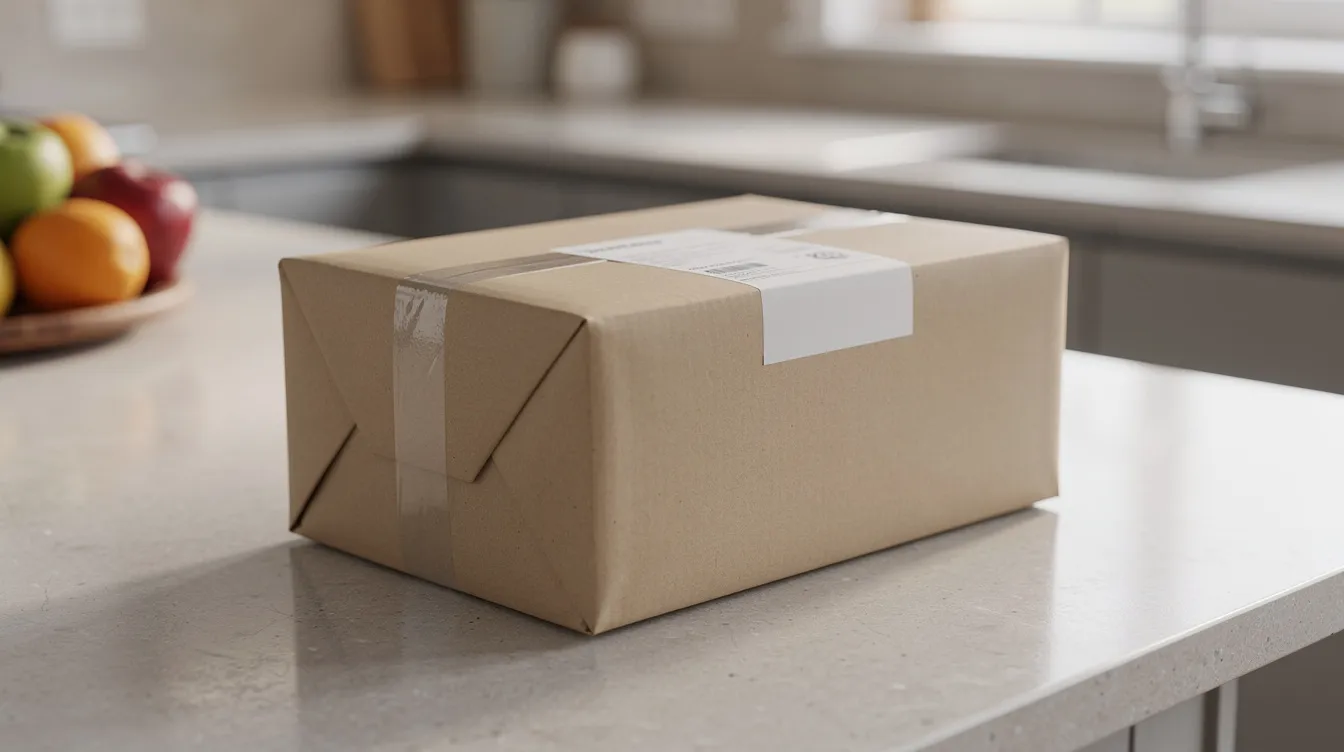
For single paperbacks, a padded envelope is fine. For heavier books or multiple titles, use a sturdy cardboard box. Recycled packaging works well as long as it is clean and strong. Wrap books in paper or slip them into a plastic bag inside the parcel to protect against rain and sorting office dirt, especially for valuable titles.
Postage choices in the UK:
| Service | Weight | Approximate cost (online) |
|---|---|---|
| Royal Mail small parcel | Up to 2kg | Around £5.45 |
| Royal Mail medium parcel | Up to 2kg | Around £8.05 |
| Evri or Yodel courier | Varies | Often cheaper for heavier parcels |
| Parcel lockers (InPost etc.) | Varies | Convenient and sometimes cheapest |
Weigh parcels roughly using kitchen scales before booking postage. Always keep proof of postage and tracking numbers until the buyer confirms safe delivery. For expensive books, consider signed or tracked services.
Common Mistakes That Mean Your Books Do Not Sell
A quick reality check. These are the errors I see most often:
- Overpricing ordinary paperbacks. If ten copies are listed at £2.50, pricing yours at £5 will not work unless it is a special edition.
- Ignoring postage costs. Heavy hardbacks can cost £8 or more to post. If you sell for £5, you lose money.
- Poor photos. Dark, blurry or generic cover images put buyers off, especially for collectible books.
- Not mentioning damage. Hiding a missing dust jacket or highlighting in the text leads to returns and negative feedback.
- Missing posting deadlines on book buying apps. Books must be sent within seven days of accepting an offer on some services, or the quote expires.
- Sending the wrong edition or ISBN. Always double check what you scanned matches what you are packing.
- Spending ages listing 30p books individually. Set a personal rule. If a book is worth less than £3 on eBay, send it to a book buying app or donate it to a charity shop.
What to Do with Books That Are Not Worth Selling
Not every book has a buyer, and that is fine. Here is what to do with the rest.
Donate books to local charity shops, school fairs, community book banks, or hospital fundraising stalls. Many charity shops accept donations of good condition books and some even have dedicated book sections. Your local library may also accept donations or know of organisations that do.
Free community book shelves and “little free libraries” are popping up everywhere, often in parks, outside houses, or in community centres. These are a great idea for books that are readable but have no real monetary value.
For damaged books with mould, water damage, or missing pages, recycling is the right call. Hardback covers usually need removing before the paper pages go in recycling. Check with your local council for details.
Accept that some books will never sell. The extra space in your home is part of the return.
How to Turn Book Selling into a Small Side Earner
Book selling as a side hustle is realistic but modest. Do not expect to replace your income, but you can earn enough to pay for a few treats or new books.
Some people offer to help friends or family sell their unwanted books for a cut of the money. You do the sorting, scanning and posting on their behalf and take 20 per cent. It is a nice way to earn without buying any stock.
Buying books cheaply at jumble sales, car boot sales, or charity shops to resell is a different activity altogether, closer to reselling as a business. If you start doing this regularly, keep basic records of your sales and expenses. HMRC guidance says selling personal possessions occasionally is usually tax free, but if you are buying stock with the intention to resell for profit, you may be treated as trading and need to declare income.
If you are an author looking to sell your own books, the approach is different. Sales channels for authors include marketplaces like Amazon and personal websites.
Building an author platform includes a website and an email list, and email marketing is essential for direct communication with readers. Authors should research their target audience to tailor marketing efforts, and consistency in marketing efforts leads to sustained visibility and sales.
Use social media marketing to promote your book listings, and engagement in online communities can help authors reach their target readers. Gathering and displaying reader reviews enhances book credibility, and using Advance Reader Copies (ARCs) can help secure early reviews.
Paid advertising is a way to increase a book’s visibility post launch, while engaging content keeps readers interested between book promotions. Offering incentives can help grow an email subscriber list, and tracking sales metrics is crucial for effective marketing strategy.
For most sellers though, the money from selling old books will be small but satisfying. It can pay for a meal out, a few new books, or help with a bill.
Final Checks Before You Send or List Your Books
Before you start packing boxes or hitting “list”, run through this quick checklist:
- Have you scanned all barcodes with at least two apps?
- Have you checked for any obviously valuable books and set them aside?
- Have you matched each book to the right selling route (trade in, marketplace, or donate)?
- Have you decided which books will go to a free collection service?
- Have you double checked weight limits and packing rules for free postage and free collection?
Set aside one afternoon to pack and label everything in one go. Dragging it out over weeks means books pile up, deadlines get missed, and the whole thing feels like a chore instead of a win.
Once the books have gone and the shelf space is back, enjoy it. The cash might not be life changing, but a tidier home and a few extra pounds in your pocket makes it worth the effort.
Frequently Asked Questions
How much money can I realistically make from selling old books?
Most ordinary paperbacks will only fetch 10p to £2 each, even when you sell books online on the bigger platforms. A box of 50 mixed second hand books sent to a book buying app might bring in £10 to £40. If you have a few stand out titles, those could make £5 to £20 each on eBay or Amazon. The real win for most people is a combination of extra cash and a decluttered home rather than a serious income.
Are my old books from the 1970s and 1980s worth selling?
Age alone does not make old books valuable, and many paperbacks from the 1970s and 1980s are only worth pennies. What matters is whether a book is a first edition, a cult title, niche non fiction with interested buyers, or in unusually good condition. Check a few ISBNs or titles on eBay sold listings to see what similar copies actually sold for. If nothing comes up, donating or recycling is probably the better option.
Can I sell books without paying postage costs myself?
Yes. Many UK book buying services offer free postage labels or free home collection once you reach a minimum basket value. When you sell books individually on eBay, Vinted, or Amazon, you usually either charge the buyer for postage or build the cost into your sale price. Always read the current postage rules for each service, as weight limits and free collection offers do change over time.
What is the best place to sell graphic novels and comic books?
Valuable comic books and graphic novels, especially first prints, full runs, or rare volumes, often do best on eBay where collectors are actively searching. More common titles can still sell in bundles on Vinted or locally through Facebook groups. Condition matters enormously to collectors, so check cover gloss, spine creasing and whether pages are clean before accepting low bulk offers from general book buying apps.
Do I have to pay tax on money I make from selling my old books?
Selling your own unwanted books occasionally is usually seen as getting rid of personal possessions, not running a business, so you would not normally pay income tax on it. If you start buying books specifically to resell for profit on a regular basis, you may be treated as trading by HMRC and need to declare income. If you sell a single item for more than £6,000, Capital Gains Tax could apply. If you are unsure or sell a lot of items across different platforms, check the latest official guidance or speak to an adviser.
