
How Much Does It Cost To Sell A House In 2026?
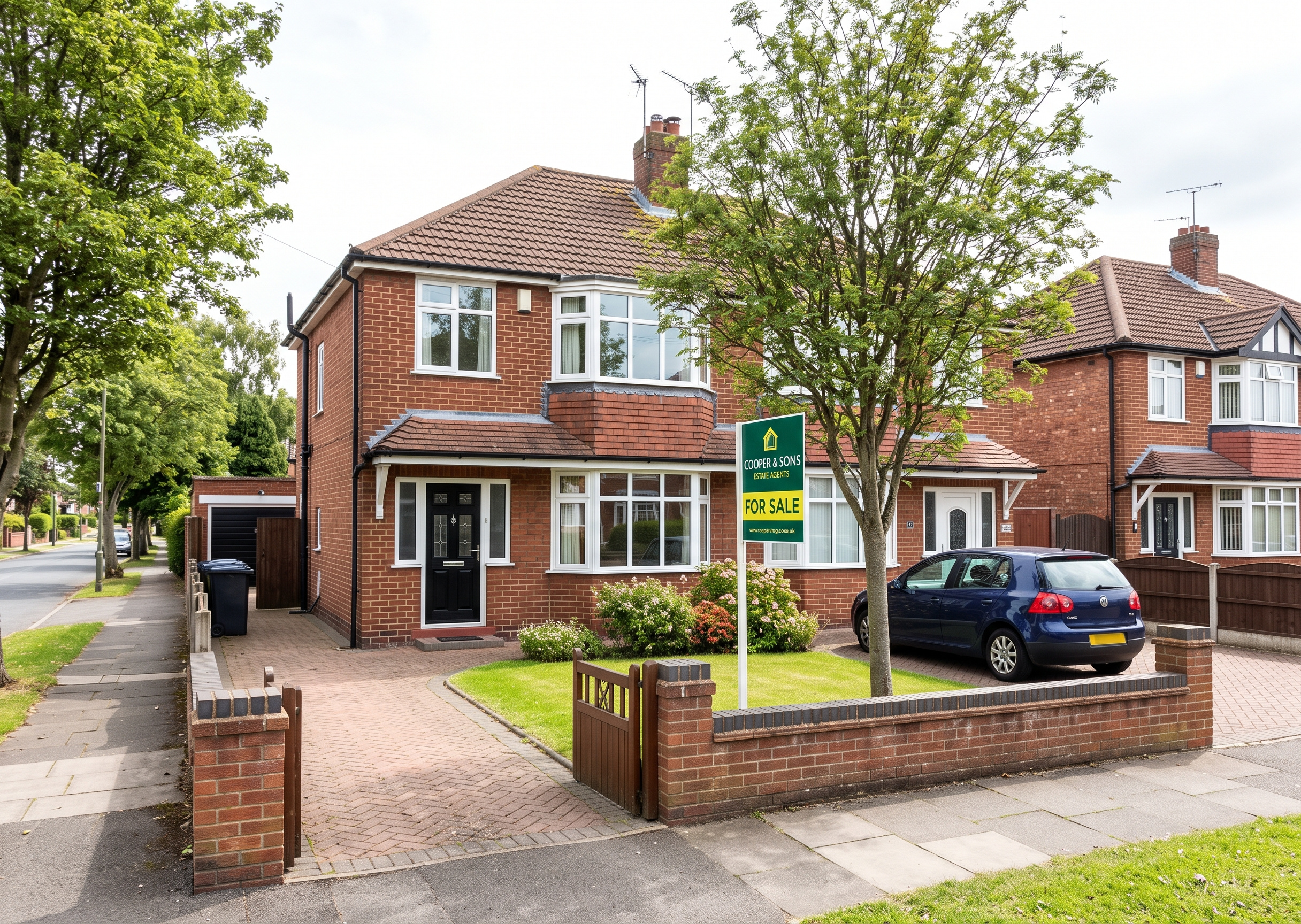
If you are thinking about selling a house in 2026, one of the first things you will want to know is how much it is all going to cost. The answer is not always easy to pin down because costs vary depending on your property type, your location and the choices you make along the way. But I have pulled together all the real numbers so you can see exactly where your money goes and where you can save.
Key Takeaways
- For a typical £290,000 home in England or Wales in 2026, the total cost of selling is usually around £4,500 to £7,500 once you add up estate agent fees, legal fees, removals, the EPC and basic prep work.
- The single biggest cost is normally your estate agent: high street estate agent fees average about 1.42% including VAT, while online estate agents and online agents often charge a fixed fee from about £0 to £1,500.
- You will not pay stamp duty when you sell, but you may face mortgage fees, possible capital gains tax on second homes, and extra costs in Scotland for Home Reports.
How Much Does It Cost To Sell A House In The UK In 2026?
Selling an average UK home worth around £290,000 in England or Wales in 2026 is likely to cost you roughly £4,500 to £7,500 in total. That might sound like a lot, but most of it goes on just a handful of key costs. Selling an average house costs approximately £5,583 in the UK when you take the midpoint of all the likely costs involved.
Here is a quick worked example for a £290,000 house sale:
- Estate agent fees at 1.42% including VAT: about £4,100
- Conveyancing fees and legal fees: about £850
- Energy Performance Certificate EPC: about £90
- Removal costs: about £1,100
- Basic home preparation: about £300
That adds up to roughly £6,440 in total. Selling expenses for a UK home typically range from £2,000 to over £6,000, and your own figure will vary depending on your choices and circumstances.
Total selling costs may vary by country and property value but often include agent commissions and additional fees. It is also worth noting that in some countries, such as the US, total selling costs can range from 10% to 15% of a home’s final selling price, with real estate commissions alone usually ranging from 5% to 6%. In the UK, the percentages are much lower, but the costs still add up.
One important regional difference: if you are in Scotland, sellers also need a home report before marketing, which adds several hundred pounds to the cost of selling.
Typical Total Cost Breakdown On An Average Home
Let me zoom in on those figures so you can see the ranges for each cost on a £290,000 sale in England or Wales:
| Cost | Typical range | Notes |
|---|---|---|
| High street estate agent (sole agency) | £3,000 to £5,000 | Based on about 1% to 1.8% including VAT |
| Conveyancing and legal fees | £700 to £1,200 | Add about £300 extra for leasehold |
| Energy Performance Certificate | £60 to £120 | Not needed if a valid one exists |
| Removal costs | £600 to £1,500 | Depends on home size and distance |
| Home preparation | £200 to £1,000 | More if you hire tradespeople |
| Mortgage charges | £0 to several thousand | Depends on early repayment charge |
When you add everything together, total selling costs for an average UK home are roughly £5,000 considering various fees. Across different sale prices, the total usually works out at between 1.5% and 4% of the final sale price:
- On a £225,000 home: about £3,400 to £9,000
- On a £290,000 home: about £4,500 to £7,500 for most people
- On a £400,000 home: about £6,000 to £16,000
Selling a house typically incurs expenses totalling between 6% to 10% of the sale price in some markets, but in the UK the percentage is usually much lower unless you have large mortgage charges. I would suggest keeping a simple spreadsheet of quotes as you go, so you can fine tune your own estimate.
Estate Agent Fees And How To Keep Them Down
Estate agent fees usually represent the largest expense when selling a home, and they are the single biggest cost you have any real control over. Estate agents charge a percentage of your home’s sale price, and the rate you agree makes a huge difference to your final bill.
In 2026, estate agent fees typically range from 0.75% to 3.5% of the sale price, but the most common range for a fee sole agency service is about 0.9% to 3.6%. The average fee for a high street estate agent is around 1.42% including VAT. High street agents typically charge 1% to 3% of the sale price depending on your area and the agent.
To put that into real money: 1% plus VAT on a £290,000 sale works out at roughly £3,480, while 1.8% including VAT would be about £5,220. Using multiple estate agents at the same time can push fees up to 2.4% to 3.6%, which is a higher fee that rarely pays for itself.
Here is how to keep agent fees down:
- Always ask for the fee including VAT and get it in writing
- Check what is covered: photos, floorplan, accompanied viewings, sales progression
- Ask if there is a minimum fee clause, which can bite on lower priced homes
- Negotiate the percentage, especially if your home is in a popular area
- Compare at least three agents rather than going with whoever gives the highest valuation
- Consider a shorter contract tie in so you can switch if the agent underperforms
A good estate agent who sells quickly at a fair price can be worth every penny, so do not pick purely on cost.
Online Estate Agents And Hybrid Options
Online estate agents work differently from a traditional estate agent on the high street. Instead of taking a percentage, most online agents charge a fixed fee, usually from £0 to around £1,500, depending on the package and your location. Some charge up front, others offer “no sale, no fee” deals.
The main trade off is effort. Online agents can be considerably cheaper, saving you hundreds or even thousands of pounds compared with a local agent. But you may need to handle viewings yourself, chase your conveyancing solicitor and manage negotiations with prospective buyers. Some hybrid agents offer add on services like hosted viewings or premium listings for an extra cost.
Before signing up, check these points:
- Is the fixed fee payable up front regardless of whether your home sells?
- Are extras like a “for sale” board, professional photos or featured listings included or charged separately?
- What happens if you want to cancel?
If your property is in a well demanded area and you are comfortable doing some of the legwork, online agents can help you save money without a big impact on your final sale price. If your property type or location needs more hands on support, a traditional estate agent may still be worth the higher fee.

Legal Fees And Conveyancing Costs
You will almost certainly pay legal fees when selling, either to a solicitor or a licensed conveyancer. Budget for this before you list your home.
Conveyancing fees for selling a house range from £610 to £2,400, but the average conveyancing fee based on a survey of 146 firms is about £1,072 excluding VAT for a freehold sale, which comes to roughly £1,286 including VAT. On the lower end, conveyancing fees range from £610 to £950 on average for simpler sales. For leasehold properties, expect to pay an additional £100 to £300 on top because of the extra paperwork involved, including the leasehold management pack from your managing agent.
Conveyancing fees can also increase by about £50 if you have an existing mortgage to redeem, and conveyancing costs can reach up to £2,400 for complex transactions. Disbursements for conveyancing can include title deeds, official copies and identity checks.
Solicitor fees cover all the legal aspects of the sale: drafting the contract, answering the buyer’s solicitor’s questions, redeeming your mortgage and handling the money on completion.
To cut costs, get at least three fully itemised quotes, check whether the quote includes all likely disbursements, and avoid very cheap firms if you think communication and speed will suffer. Sellers are also responsible for council tax and any leasehold service charges up until the completion date, similar to how in other markets sellers handle proration of property taxes and HOA dues until the closing date.
Mortgage Fees, Exit Charges And Remortgaging Costs
If you still have a mortgage, check for mortgage fees, an exit fee and any early repayment charge before you put the property on the market. Mortgage early repayment charges may apply if selling before your mortgage terms end, and these can be the most painful hidden costs of the whole selling process.
A standard mortgage exit fee is usually around £50 to £300. But an early repayment charge, which kicks in if you repay during a fixed or discounted rate period, can be between 1% and 5% of your remaining balance. Not all lenders charge the same, so check your mortgage deal carefully.
Here is how that looks in practice: paying off a £180,000 mortgage balance with a 3% early repayment charge adds £5,400 to the cost to sell your home. That can be higher than every other fee combined, so it is worth checking before you even contact estate agents.
If you are buying another property, remortgaging fees may also apply. Arranging a new mortgage can involve arrangement fees from about £100 to over £1,000, plus a valuation fee and sometimes separate legal fees. Porting your current mortgage deals to a new property can sometimes help you avoid these charges.
Tips to save on mortgage charges:
- Time your sale to complete after the fixed rate period ends if possible
- Ask your lender about porting options
- Get expert mortgage advice before committing
- Check whether any “fee free” deal just hides the cost in a higher interest rate
Taxes When You Sell: Capital Gains Tax And Stamp Duty
Here is the good news: you usually don’t pay capital gains tax on your main home. Capital Gains Tax typically does not apply to your main residence thanks to private residence relief, and most sellers will owe nothing.
Capital gains tax only applies when you are selling an asset that increased in value and that asset is not your primary home. So it can bite if you are selling a second home, a buy to let, or a property that has not always been your main residence. In 2026, capital gains tax is 18% for lower rate taxpayers and 24% for higher and additional rate taxpayers on residential property gains. The annual capital gains tax allowance for 2025 to 2026 is £3,000 per person, and couples can combine allowances for a total of £6,000.
When working out your taxable gain, you can deduct allowable costs like estate agent fees, legal fees and the cost of improvement works. These effectively reduce your capital gains tax bill.
As for stamp duty, this is simple: you do not pay stamp duty when you sell. Stamp duty is paid by the buyer, not the seller, so it should not appear anywhere in your selling costs budget.
If you have a second property or a complex history such as long lets or inherited homes, get professional advice. This article can only give general guidance on capital gains tax.
Energy Performance Certificates And Home Reports
In England, Wales and Northern Ireland, an Energy Performance Certificate is required before you can start marketing your property. An EPC is a legal requirement that shows prospective buyers how energy efficient your home is, grading properties from A (most efficient) to G (least efficient) and suggesting improvements that could bring down bills.
EPC costs range from £60 to £120, and EPCs are valid for 10 years from the date of issue, so check whether you already have one before paying for a new certificate. EPC fees can be reduced by booking an accredited domestic energy assessor directly rather than going through your estate agent. Booking an EPC directly can save you money.
In Scotland, sellers must instead provide a home report before marketing. This is a bigger package that includes a survey, a valuation and an energy report. A home report typically costs between about £433 and £820 for a standard home, and larger or rural properties can cost even more. Scottish sellers should get quotes from local chartered surveyors early in the selling process.
Removal Costs And Moving Your Belongings
Removal costs are not technically part of the house sale, but they are a real cost you will feel at the same time, so always include them when adding up your moving costs.
Removal costs for a three bedroom house average £900 to £1,300, while average removal fees can range from £250 to £4,000 depending on circumstances. Hiring a removal company typically costs around £1,200 for a standard move. Removal costs depend on house size and distance moved, so a small local move from a one bedroom flat might only cost £400 to £700, while a large family home going a long way could cost much more.
Ways to cut removal fees:
- Declutter heavily so you pay to move less stuff
- Get at least three quotes from removal companies
- Avoid the busiest Fridays at the end of the month
- Check whether you really need packing services or temporary storage
- Make advance bookings where possible, as booking removals in advance can lead to discounts
If you want to do it yourself, hiring a van for £200 to £500 and roping in friends is an option, but weigh up the time, effort and risk of damage to all your furniture and belongings. Also check whether your home contents insurance covers items in transit, or whether you need to rely on the removal firm’s cover.

Preparing Your Home For Sale Without Overspending
You do not need to spend thousands to make your home sale ready, but some modest spending on preparation can make a real difference to how quickly you sell and the price you get. Repair and preparation costs before listing a home can total between 1% to 4% of the sale value, but most sellers spend far less.
Typical low to mid level preparation costs:
- Professional cleaning: £80 to £250
- Gardening and curb appeal: £50 to £400
- Painting and simple redecorating: £100 to £1,000
- Minor DIY jobs and small repairs: from £0 up to several hundred pounds
Avoid major repairs or structural work at the last minute unless there is a safety or mortgage related issue. In many cases, it is cheaper to price the property sensibly and be honest with buyers about known issues.
Many estate agents include professional photos in their commission, so check before paying separately. Tackling minor DIY jobs like squeaky doors, loose handles and scuffed paintwork over a couple of weekends can make a surprisingly big difference to how your home looks during viewings.
Scottish Specific Costs And Home Reports
If you are selling property in Scotland, you will face some additional costs that sellers in England and Wales do not have. The biggest one is the home report, which is a legal requirement before you can market your home.
A home report includes a single survey, a valuation and an energy report. Typical 2026 prices are between about £433 and £820 for a standard home, with larger or high value properties costing more. The report must be available to all prospective buyers from day one.
Estate agent fees and solicitor fees in Scotland are broadly similar to the rest of the UK, though the way offers and missives work is different, so expect slightly different timing and paperwork costs. Removal costs, mortgage charges and any capital gains tax issues are also broadly the same, though local property values and rural distances can change the sale value of your home and the pounds involved.
Scottish sellers should get quotes from both solicitors and surveyors early, as the home report cost and legal fees are core parts of their total cost of selling.
How To Work Out Your Net Profit After Selling
Working out how much money you will actually walk away with after selling is easier than you might think. Here is a simple three step method to calculate profit from your house sale.
Step 1: Estimate your home’s sale price using recent sold prices nearby or a valuation from your agent.
Step 2: Subtract your outstanding mortgage balance and any mortgage exit or early repayment charge.
Step 3: Subtract all your expected selling costs, including all the fees for agents, legal work, the EPC or home report, removal costs and home preparation.
Here is a worked example:
| Item | Amount |
|---|---|
| Sale price | £325,000 |
| Mortgage remaining | £150,000 |
| Estate agent fees (1.42% inc VAT) | £4,600 |
| Legal fees | £900 |
| EPC | £100 |
| Removal costs | £1,200 |
| Home prep | £500 |
| Net proceeds | £167,700 |
If this were a second home and capital gains tax applied, you would work out any taxable gain separately by deducting the purchase price and allowable costs from the sale price, then applying the 18% or 24% rate after your £3,000 annual allowance.
I would encourage you to jot down your own numbers and revisit them once you have firm quotes. That way you can see clearly whether you can clear your mortgage balance, pay any mortgage charges and still have enough left for your next deposit.
Conclusion
The cost of selling a house in 2026 is not small, but most of it is predictable if you do your homework. By comparing prices on everything from agent fees to removal companies, and by timing your sale carefully around any mortgage tie in dates, you can cut costs without risking a lower sale price. The more quotes you gather and the earlier you plan, the more control you have over your final bill.

Frequently Asked Questions
Do I Have To Pay Stamp Duty When I Sell My House?
No. Stamp duty is always paid by the buyer, not the seller. It will not appear on your completion statement and you should not include it in your selling budget. The only time you need to think about stamp duty is if you are also buying another property.
Can I Avoid Early Repayment Charges On My Mortgage When Selling?
In many cases, yes. You can reduce or avoid an early repayment charge by timing your sale so that completion falls after your fixed or discounted period ends. You can also ask your lender about porting your existing deal to your new home. Not all lenders offer porting, so check your mortgage terms early in the selling process.
Is It Cheaper To Use An Online Estate Agent Than A High Street Agent?
Online estate agents usually charge lower fees, often a fixed fee rather than a percentage, so the upfront bill is typically considerably cheaper. The trade off is that you may need to handle viewings, negotiations and chasing yourself, with potentially less local expertise. The overall value depends on how comfortable you feel taking on that extra work and whether your home is in a popular area where demand does much of the heavy lifting.
Do I Need To Pay Capital Gains Tax When Selling My Own Home?
Most people selling their only or main home do not pay capital gains tax because of private residence relief. Tax may be due if you are selling a second home, a buy to let property, or a home that has not always been your main residence. If you think you might owe capital gains tax, check the current HMRC rules or get professional advice tailored to your situation.
How Can I Cut Costs When Selling Without Risking A Lower Sale Price?
Compare prices on every big service: estate agents, legal work and removals. Negotiate agent fees without picking purely on price, because a good estate agent who achieves a strong sale price can more than earn their commission. Focus on low cost home improvements like a deep clean, fresh paint and fixing minor issues. Time the sale around your mortgage to avoid paying an early repayment charge where possible, and avoid expensive last minute renovations that are unlikely to add enough value to cover their cost.
