
How to Make Money on Pinterest (Without Needing Millions of Followers)

Pinterest is not just another social media site for saving pretty pictures. It is a visual search engine where millions of people actively look for things to buy, try and plan.
That makes it one of the best places to earn money online, even if you are starting from scratch.
In this guide we will walk you through exactly how to make money on Pinterest in 2026, step by step, with honest advice on what actually works.
Key Takeaways
- You make money on Pinterest by sending people to places that pay you, whether that is your shop, your blog, your email list or affiliate links. Pinterest itself does not pay you for views.
- A free Pinterest business account unlocks Pinterest Analytics, rich pins and Pinterest ads, which are essential for testing what works and growing over time.
- You do not need a huge following to earn money. What matters is a focused niche, helpful pins and a consistent posting routine that builds momentum over weeks and months.
What Pinterest Is And Why It Can Make You Money
Pinterest launched in 2010 as a visual discovery platform, and it has quietly grown into something much more powerful than most people realise. It now has over 640 million monthly active users globally, and in the UK alone the ad reach audience sits at around 15.5 million people.
Unlike Instagram or TikTok, where people scroll through feeds for entertainment, Pinterest users search for specific things. They type queries like “meal prep ideas”, “small hallway storage” or “DIY projects for beginners” and then save pins, click through to websites and buy products.
That search behaviour is what makes Pinterest a visual search engine with high buying intent, and it is why creators and small businesses can turn that traffic into real income. Pinterest can be one of your top sources of referral traffic, sending people to blogs, shops, email sign ups and affiliate offers. To give you an idea of scale, Nancy Roberts generates 8.7 million monthly views on Pinterest, proving what consistent content can do.
The platform works through pins (images or videos that link somewhere), boards (themed collections of pins), idea pins (multi page content like short tutorials), and product pins (which show price and stock from a shop). You do not need to understand all of these on day one. What matters is that Pinterest rewards helpful, well organised boards and quality pins that answer real questions, regardless of whether you have 50 followers or 50,000.
This guide focuses on practical ways to make money on Pinterest that a UK reader can start this week, even with a small account.
How Making Money On Pinterest Actually Works
Here is the key thing to know: Pinterest does not usually pay you directly for views or saves. There is no equivalent of YouTube ad revenue here. Instead, you earn money when people click through from your pins to places that are monetised.
The main ways to make money on Pinterest are:
- Affiliate links on pins or in blog posts that earn you commission when someone buys
- Brand partnerships where companies pay you to create sponsored content featuring their products
- Selling physical products through an ecommerce store connected to product pins
- Selling digital products like templates, planners or online courses
- Offering services such as coaching, design or consulting, with pins driving people to your booking or landing page
- Driving Pinterest traffic to a blog or website that earns through display ads, affiliate links or email list sales
This is not a get rich quick scheme. But it is a steady way to build passive income, because a well optimised pin can drive traffic for months or even years after you first post it. Pinterest runs on keywords that determine your reach far more than follower count, so what matters is creating content that matches what people search for. You do not need technical skills, but you do need a simple plan, a niche and a business account.
Set Up A Pinterest Business Account The Right Way
A Pinterest business account is what separates casual pinners from people who actually earn. It gives you access to Pinterest Analytics, lets you run ads through the ads manager, and unlocks tools like rich pins and the paid partnership label. Setting up a Pinterest business account is free.
To get started, go to pinterest.com and sign up for a new business account. If you already have a personal account, you can convert it to a business account in your settings without losing any existing pins or boards. Business accounts allow ad creation through Ads Manager straight away.
Once your account is live, fill in your Pinterest profile properly:
- Use your real name or brand name
- Add a clear profile photo or logo
- Write a bio packed with keywords for your niche, such as “UK home décor ideas and budget renovation tips”
- Add a link to your website, shop or email sign up landing page
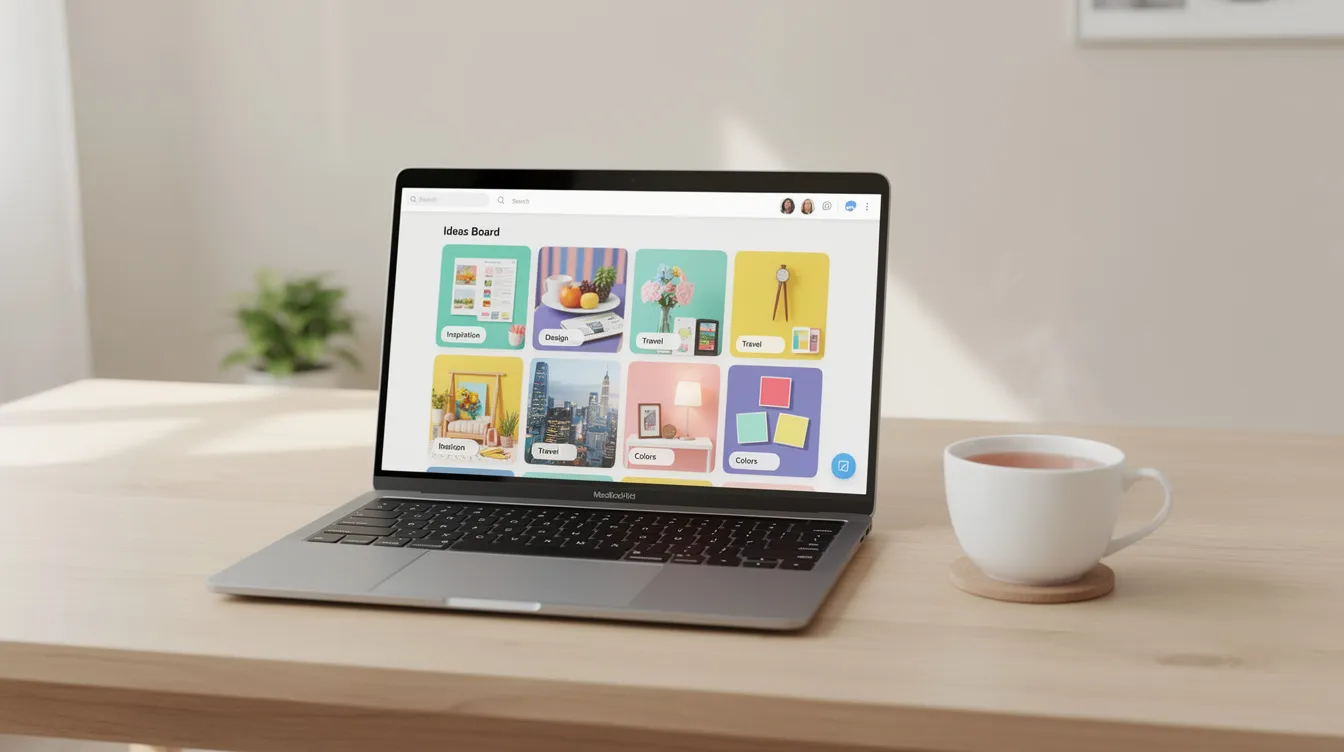
Next, claim your website so Pinterest connects your content and unlocks features like rich pins. You can create rich pins with a business account, and these automatically sync details like article titles or product prices from your site. Finally, set up five to seven themed boards with clear, keyword rich titles such as “Budget Slow Cooker Recipes” or “Tiny UK Garden Ideas”.
Pick Your Niche And Monetisation Path
The biggest mistake beginners make is trying to pin about everything. Pick one clear topic and one main way to make money on Pinterest for the next 60 to 90 days. This keeps your content ideas focused and helps the algorithm understand who to show your pins to.
Choose a niche that suits UK buyers and planners. Popular options include money saving tips, home décor, beauty, fashion, family meals, small business advice and seasonal gift guides. Use the Pinterest search bar to see what autocomplete suggests, and check the Pinterest Trends tool to spot what people are searching for right now. For example, the creator Pintsized Pins found that posting autumn content early, from July, led to 267% more outbound clicks.
Set a simple goal to keep yourself on track:
- “Make my first £100 from affiliate links”
- “Get 100 email sign ups from Pinterest traffic”
- “Sell 10 digital downloads through my Etsy shop”
Pick one outcome and build your content around it.
Affiliate Marketing And Affiliate Links On Pinterest
Affiliate marketing means you recommend someone else’s product and earn a commission when a reader buys through your unique link. It is one of the easiest ways to start earning because you do not need your own products. You can monetise a Pinterest account by promoting an affiliate product, and affiliate marketing can generate income without needing a blog.
Pinterest does not have its own affiliate program, so you need to join third party networks. Good UK friendly options include Amazon Associates, Awin, Impact and CJ Affiliate. Once approved, you get direct links with tracking codes for the products you want to recommend.
You can add affiliate links directly to pins, or send people to a blog post or guide that contains those links. To create an effective affiliate pin:
- Use a clear, high quality image or lifestyle photo
- Write an honest, helpful title that matches what users search for
- Add a keyword rich description explaining why you recommend the product
- Place your affiliate tracking URL in the link field
Create visually striking pins with detailed descriptions for each affiliate offer you promote. Keep your pins on niche boards such as “Budget Skincare Favourites” or “First Flat Essentials” so everything stays tightly focused.
You must disclose affiliate relationships clearly in pin descriptions or on the landing page. UK advertising guidelines and Pinterest’s own commercial content policy require transparency. A simple line like “This pin contains an affiliate link” is enough. Always disclose affiliate links to maintain trust with your audience.
Brand Partnerships And Sponsored Content
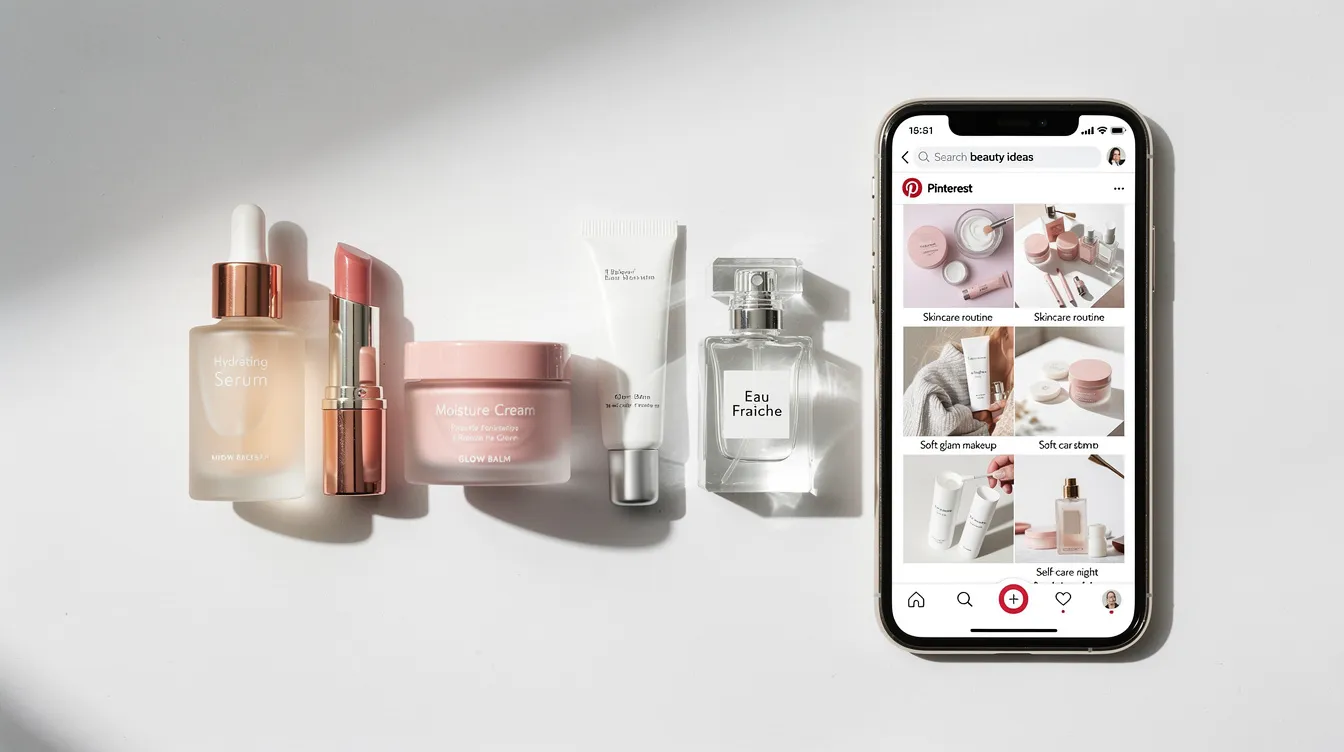
Brand partnerships on Pinterest work simply: brands may pay you to create content that highlights their products because you reach their ideal customer. You do not need hundreds of thousands of followers, but you do need a consistent style, a clear niche and a Pinterest business account with some examples of content that performs.
Types of brand work on Pinterest include sponsored boards, idea pin tutorials, video pins showing how to use a product, and multi platform bundles where you create Pinterest content alongside posts on other platforms. Create sponsored content with brands in exchange for payment or free products, depending on the deal.
To attract brand partnerships, put together a simple media kit with:
- Your niche and audience insights
- Screenshots from Pinterest Analytics showing saves, impressions and pin clicks
- Examples of previous pins that performed well
- Your rates or willingness to discuss pricing
Use the paid partnership label on Pinterest whenever you post paid content. Being open about it builds trust and keeps you within UK advertising rules. To find opportunities, pitch small UK brands that fit your niche, sign up to influencer platforms, or add a “Work with me” line to your Pinterest profile bio.
Sell Physical Products With Product Pins And Pinterest Ads
If you run a shop, Pinterest is heavily used for shopping discovery, making it ideal for showcasing products. Pinterest allows direct sales through shoppable product pins that pull real time pricing and stock availability straight from your product pages.
Product pins and rich pins display this information automatically. Rich pins sync product details from your website, so when you update a price or mark something as sold out, the pin updates too. Rich pins display real time pricing and inventory status without you needing to touch each pin manually.
Popular setups include connecting a Shopify store, WooCommerce shop or Etsy store to your Pinterest business account using a product catalogue feed. Creating multiple pins for each product increases visibility, so make several versions with different lifestyle photos, angles and search terms.
Your pin descriptions should match what people type into search results, like “UK wedding favours” or “small balcony furniture”. Once you see which pins perform well organically, you can use Pinterest ads to boost them. Start with a simple campaign using promoted pins aimed at a UK audience, set a small test budget and track results in the ads manager. According to Pinterest’s own data, outbound clicks to advertisers have increased five times over the last three years.
Make Passive Income With Digital Products And Print On Demand
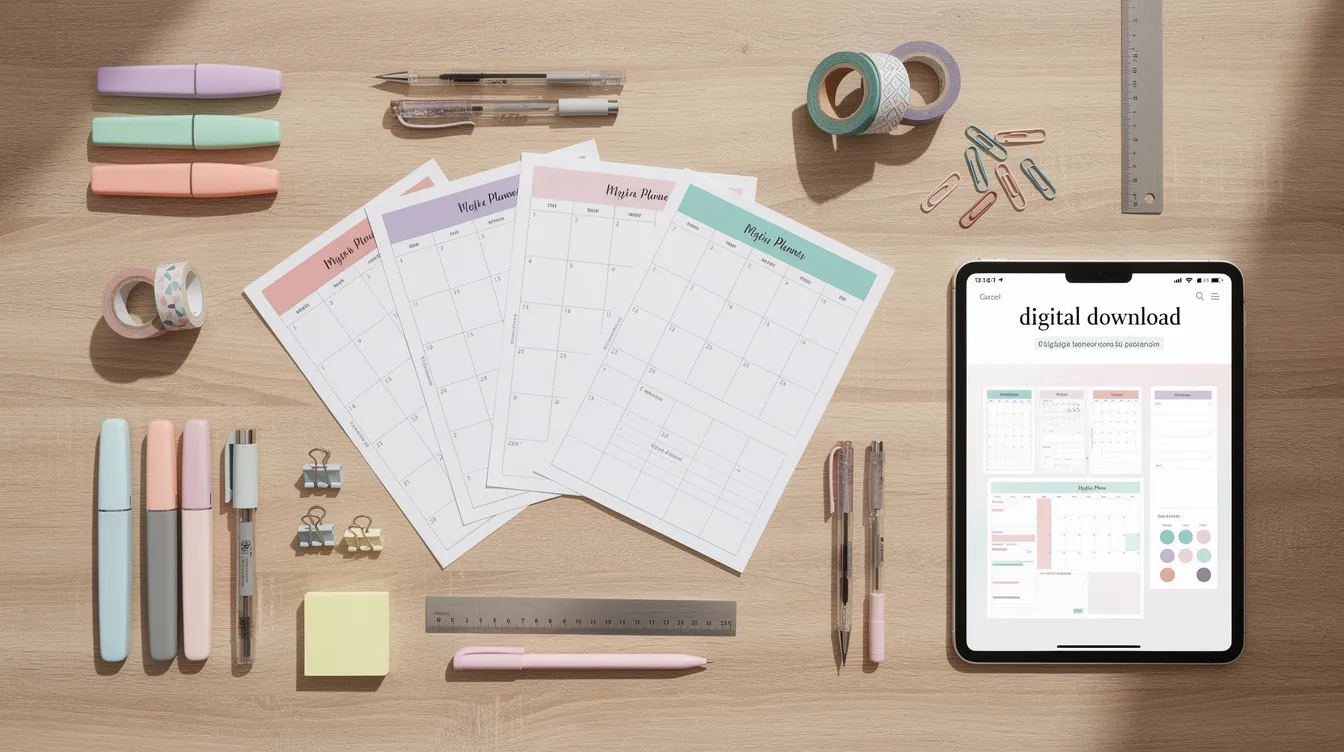
Digital products suit Pinterest brilliantly because there is no stock to manage, delivery is instant, and there is huge demand for templates, planners and printables. Sell digital products or use print on demand for physical goods, and you can build genuine passive income from content you create once.
Good examples of digital downloads that sell well on Pinterest include:
- Budgeting spreadsheets and meal planners
- Social media templates and wedding planners
- Wall art downloads, mini courses and online courses
- Printable checklists and habit trackers
List your digital products on platforms like Etsy, Shopify or Gumroad, then use pins to drive traffic directly to your sales pages. Each new pin you create is another chance for potential customers to find you.
Print on demand works differently. You upload your design to a partner like Printful or Redbubble. When someone orders, the partner prints and ships it. You keep a share of the sale without ever touching stock. Products like mugs, tote bags, T shirts, nursery prints and seasonal gifts do well on Pinterest because they are visual and giftable.
Organise your boards around problems and occasions. Titles like “Christmas Gift Ideas Under £20” or “New Mum Essentials” match what weekly pinners actually search for and encourage saves.
Drive Traffic To Blogs, Websites And Services
One of the easiest ways to make money on Pinterest is to drive traffic to a blog or website that is already set up to earn. Pinterest can drive traffic to blogs and websites consistently, and that traffic can then earn through display ads, affiliate links, sponsored posts and email lists that later sell digital products or services.
Michelle Schroeder-Gardner received 200,000 pageviews in one month from Pinterest, showing just how powerful this channel can be. Create multiple pin variations for each blog post to increase traffic. For every article you write, make three to five pins with different images, headlines and keyword rich descriptions, all pointing to the same page. This gives you more chances to appear in search results.
Service providers such as virtual assistants, designers, accountants and coaches can use Pinterest to send new customers to booking pages or contact forms. Content ideas that attract the right clients include checklists, case studies, beginner guides and before and after transformations. Track which pins bring the most traffic and enquiries using Google Analytics and Pinterest Analytics together, then do more of what works.
Plan And Design Pins That People Actually Click
Pinterest is a search engine first, so design and keywords matter as much as the idea behind each pin. Start your keyword research by typing your topic into the Pinterest search bar and noting the auto suggestions. These are real search terms that people use every day. The Pinterest Trends tool helps you spot seasonal patterns too.
Design eye catching pins using tools like Canva or Adobe Express. Create three to five simple pin templates with clear fonts, strong contrast, your brand colours and a small logo for recognition. Every pin should be vertical, easy to read on a mobile screen, and match the promise in your title. Use authentic content and lifestyle photos where possible, rather than relying only on AI generated images, so your content feels real and trustworthy.
Write keyword rich descriptions that sound natural, not spammy. Include a call to action such as “read the full guide” or “download the free checklist”. Post three to five fresh pins per week and refresh top performers with new images or titles. Design vertical, visually compelling pins that tease a solution or article, and create fresh content weekly for better engagement on Pinterest. Each new pin gives you another shot at reaching a larger audience.
Use Pinterest Analytics To Grow Faster
Pinterest Analytics, available on any Pinterest business account, shows you exactly which boards and pins bring clicks and saves. Without it, you are guessing.
The key metrics to watch each month are:
| Metric | What It Tells You |
|---|---|
| Impressions | How often your pins are shown to people |
| Saves | How many people saved your pin, which helps it spread further and encourage saves from others |
| Outbound clicks | How many people clicked through to your website, shop or affiliate link |
| Click through rate | The percentage of people who saw your pin and actually clicked, showing which pins convert best |
Compare your best performing pins and look for patterns. Certain colours, text styles, topics or formats might do especially well. Focus on creating more of what works and quietly drop content ideas that never get clicks. Once you have a few winning pins, test small Pinterest ads to see if paid promotion is worth the spend. Use audience insights to target the right people.
Keep a simple monthly note of what worked, what did not and what to test next. This stops you feeling overwhelmed and keeps your Pinterest content improving steadily.
Common Mistakes To Avoid When Trying To Make Money On Pinterest
Many people give up on making money on Pinterest because of avoidable mistakes. Here are the ones I see most often.
Pinning without a niche. If you pin about everything from recipes to cars to fitness, the algorithm has no idea who to show your content to. Pick a lane and stick with it.
Pretty but vague pins. A beautiful image means nothing if it does not solve a problem or answer a question. Your pins need to offer something useful, not just look nice on a mood board.
Ignoring Pinterest Analytics. If you never check your data, you miss easy wins. Sometimes one pin is close to taking off and just needs a better headline or image.
Breaking the rules. Do not use misleading images, hide affiliate links, or spam the same pin repeatedly. Pinterest’s guidelines are clear, and violating them can slow or stop your growth entirely.
Expecting overnight results. Results often take a few months of consistent effort. But the upside is that pins can keep driving traffic long after the initial work, which is exactly where the passive income comes in. Commit to at least 60 to 90 days before judging whether your strategy is working.
Frequently Asked Questions
Do I need a Pinterest business account to make money on Pinterest?
You can pin with a personal account, but a Pinterest business account is strongly recommended for anyone serious about earning. It unlocks Pinterest Analytics, rich pins, Pinterest ads and the paid partnership tools used for brand collaborations. Converting is free, quick and does not remove your existing pins or boards.
How many followers do I need before I can start making money?
There is no fixed number. Many small accounts earn money by driving targeted Pinterest traffic to good offers. Saves, clicks and the quality of your pins matter far more than how many people follow you. Start monetising from day one with affiliate links, digital products or email sign ups rather than waiting for a big audience.
How long does it take to start making money on Pinterest?
It depends on your niche, effort and how quickly you test and improve. Some people see their first earnings within a few weeks. For most, steady results come after two to three months of consistent pinning. Pinterest often feels slow at first, but pins gather momentum as the algorithm learns who to show them to.
Can I make money on Pinterest without a blog or website?
Yes. You can link pins directly to affiliate offers, Etsy shops, digital product platforms or service booking pages. Having at least a simple website or landing page gives you more control, but it is not essential to get started. Begin with what you already have, then consider adding a site later if you want to sell products or grow further.
Is Pinterest still worth it in 2026 or am I too late?
Pinterest is still growing, with a global audience of over 640 million and strong UK reach. Many businesses still underuse it compared with other social platforms, which means cheaper ads and less competition in plenty of areas. New niches and trends appear every year, so there is room for new creators. Focus on serving a clear niche well and treat Pinterest as a long term asset rather than worrying about when you started.
