
How to Make Money from AI in 2026

If you have been hearing about people making money with AI and wondering whether any of it is real, you are not alone. There is a lot of noise out there, from breathless YouTube videos promising thousands a week to courses that cost more than they will ever earn you back.
The truth is less flashy but far more useful: artificial intelligence is a tool, and like any good tool, it helps you do work faster and better.
This article covers how to actually make money from AI in the UK, with honest numbers, real examples and practical steps you can follow this weekend.
Key Takeaways
- Focus on using AI tools to improve real services like writing, design, admin support or data analysis, rather than chasing “magic” income tricks.
- You can start a simple AI side hustle with free AI tools, then reinvest into better AI software as your earnings grow.
- The safest ways to make money from AI are: AI assisted content, AI generated art and print on demand, building websites with AI, AI powered services for small businesses, and beginner friendly AI consulting and training.
How AI Really Helps You Make Money (Not Just Buzzwords)
People do not pay you because you used ChatGPT. They pay because you solved a problem for them, whether that is faster social media posts, a tidy website, a clear report or a set of designs they could not create themselves. Effective AI income opportunities come from solving specific problems, not from waving the word “AI” around. The global AI market is projected to reach $3.5 trillion by 2033, which tells you businesses are spending real money on AI powered products and services. But most of that spending goes to people who deliver useful results, not people who just own a subscription.
In 2026, you can start with free tiers of popular AI tools. ChatGPT, Claude and Gemini all offer free plans that let you test ideas and build a small portfolio. Serious earning, though, usually needs paid plans. Free tools often come with usage caps, slower models, watermarks on AI generated content, and restrictions on commercial use. Once your AI side hustle is earning enough to cover a £20 to £40 per month subscription, upgrading makes sense.
You do not need coding skills to start making money online with AI. But you do need basic digital skills: good editing, an eye for quality, honesty about what AI can and cannot do, and care over accuracy and ethics. AI assists in speeding up content creation tasks and can improve internal operations in organisations. Freelancers can use AI tools for increased productivity. But clients are paying for your judgement and taste, not for raw AI output. AI enhanced services can be a fast track for income generation, as long as the human behind them is doing proper quality control.

Choose the Right AI Income Model for You
There are five broad ways to generate income using AI. Which one fits depends on your time, your budget and whether you are happy being visible online or prefer working behind the scenes.
Selling services. This means offering something like content editing, social media management, website building or admin support, using AI software to do it faster. You get paid per project or on a retainer. This is the quickest route to real income for most people.
Selling digital products. Think ebooks, templates, planners, online courses or design bundles. AI helps you create them faster. You sell on platforms like Etsy, Gumroad or your own site. Many AI opportunities involve creating and monetising digital content this way.
Selling physical products. AI generated art printed on t shirts, mugs and posters through print on demand services. You never hold stock. Income starts small but can grow with the right niche.
Building an audience. Niche blogs, newsletters, faceless YouTube channels or social media accounts where you create content with AI help and earn through ad revenue, affiliate links or sponsorships. Affiliate marketing can earn you commissions promoting products, with the average salary in affiliate marketing sitting at about £35 per hour for established marketers.
Building AI powered apps and tools. If you are more technical, you can build niche software, chatbots or micro SaaS products. AI can improve ecommerce processes, from product research to customer support, and small business owners will pay for tools that save them time.
Be realistic about timelines. Most people take several months of consistent effort before they see steady income. Pick one model and commit to it for at least 30 days before switching.
Find Your AI Niche by Starting with Skills You Already Have
The fastest way to find your niche is to write down what you already know how to do. If you are good at writing, look at AI assisted content services. If you are a teacher, think about creating revision materials or online courses with AI help. If you handle admin or customer service in your day job, consider offering AI powered virtual assistant work. Freelancers can offer AI assisted services across multiple fields, so your existing experience is your biggest advantage.
An AI side hustle works best where three things overlap: your skills, your interests, and problems people will happily pay to fix. AI can enhance online tutoring and educational consulting, for example, which means a tutor who already knows their subject can use AI to create quizzes, lesson plans and practice papers at twice the speed.
Here is a quick example. A teacher in Manchester used free versions of ChatGPT to create GCSE and A Level revision packs. After two months, she was selling digital packs through Gumroad and earning around £300 to £500 a month. She then invested in paid tool licences and better branding, which helped double her sales. She did not need to learn a new career. She just used AI to do what she already did, faster and at scale.
Make Money with AI Assisted Writing and Content Editing
AI assisted content in 2026 looks like this: you use AI writing tools such as ChatGPT, Claude or Gemini to produce a rough draft. You then edit by hand, checking facts, adjusting tone, cutting filler and making it sound like a real person wrote it. AI generated content is often improved through human editing, and that editing is where the value sits.
Services you can offer right away include:
- Writing blog posts for small businesses
- Tidying up product descriptions for online shops
- Polishing newsletters and email sequences
- Rewriting LinkedIn profiles and CVs
- Refreshing old website copy to match a client’s brand voice
AI can generate written content quickly for various formats, but clients pay for your judgement, not for raw AI output. Always run plagiarism checks, verify any claims or statistics, and keep a human voice throughout. Freelance AI writers earn over $80,000 annually on average (about £63,000), though UK beginners typically start at £25 to £80 per short article and build from there. A UK survey of around 2,400 AI earners found that those working 20 to 30 hours a week averaged about £3,840 per month after six months.
Where to find work: Upwork, Fiverr, Contra, PeoplePerHour, or direct outreach to small businesses in your area via LinkedIn or local Facebook groups.
Use AI Tools to Create Written Content at Scale
If you want to build something bigger than client work, consider content generation at scale. This means running a niche blog, affiliate site, or newsletter where AI does the heavy lifting on first drafts and you handle editing and publishing.
AI tools can help create SEO optimised blog posts and articles by suggesting outlines, keyword ideas and draft paragraphs. Affiliate marketers can use AI to generate content ideas, and AI can optimise placement of affiliate links for better conversion rates. AI tools can also help boost your affiliate marketing website’s SEO by flagging weak headings, thin content and missing meta descriptions.
A simple workflow looks like this:
- Pick a niche topic and research what people search for
- Use an AI tool to generate an outline and first draft
- Edit the draft by hand, adding your own examples and checking facts
- Add images from AI art generators or stock libraries
- Publish on your own site or a platform like Medium
- Repurpose the content into social media posts, email snippets or short video scripts
The key rule: avoid “AI sludge.” Google and readers can spot thin, unhelpful content. If your blog posts do not answer a real question or solve a real problem, they will not rank and they will not earn. Content creation with AI works best when you treat the AI as a fast research assistant, not the finished product.
Earn with AI Generated Art and Print on Demand
AI art generators like Midjourney, DALL E, Stable Diffusion and Adobe Firefly turn text prompts into images. In plain terms, you type a description of what you want, and the AI model creates it. AI tools enable anyone to create professional grade art quickly, even with no drawing ability.
The print on demand route is one of the simplest ways to sell AI generated artwork:
- Create designs using an AI art generator
- Upload them to a print on demand service such as Printful, Printify or Redbubble
- Printful allows creators to sell AI art without inventory, meaning you never buy or store stock
- List your products on Etsy, Shopify or your own site
- AI art can be marketed through online stores like Etsy with the right keywords and product photos
Product ideas that sell in 2026 include niche t shirts with clever designs, simple line art posters, mugs with slogans, and digital wall art bundles for download. AI generated art can be sold as merchandise like t shirts, and AI art can be turned into physical products like posters and mugs. AI generated art can also be turned into physical products for sale through other print on demand services.

A clear warning on copyright: do not use AI to copy recognisable logos, football club badges, designer brand names, or artwork in the style of a specific living artist. The Getty Images v Stability AI case in the UK High Court showed that trademark claims around watermarks were upheld, even though broader copyright claims failed. Play it safe and create original work.
Income often starts as “pizza money,” perhaps £20 to £50 a month. But with testing, better niches and stronger branding, some UK sellers scale to £1,000 to £2,000 per month. AI generated artwork still needs human taste and quality checking to stand out.
Build Websites with AI (Even If You Cannot Code)
Modern website builders powered by AI can create websites from simple prompts. Tools like Wix AI Website Builder, GoDaddy Airo, Framer AI and Hostinger’s AI builder let you type a description of the business and get a working site in minutes. AI website builders can create a site in minutes, and AI tools simplify website building for non technical users.
This opens up a simple service model: use an AI platform to build the first draft of a site for a local business, then charge for customising the layout, copy, images and basic SEO. AI enhances website design by automating content generation, and AI can help customise website templates for clients so each site looks unique.
Easy starter clients include local hairdressers, tradespeople, tutors, driving instructors, independent cafes and community projects. These businesses need clean, simple websites but rarely have budget for a big agency. Freelance web developers can earn over $40 per hour (roughly £32 or more), and even beginners charging £300 to £600 for a basic one page site with a contact form can build steady income.
Pricing ideas to get started:
- Basic one page site: £300 to £600
- Monthly care plan (updates, backups, small changes): £30 to £60
- Add ons: AI powered chatbots for FAQs, booking forms, simple blog setup
Even with AI doing the heavy lifting, always check mobile friendliness, contact details, privacy policy pages and accessibility basics before handing over.
Create YouTube and Short Video Content with AI
AI tools can help you script, storyboard and edit YouTube videos, TikTok clips and Instagram Reels without expensive equipment. AI can create realistic voiceovers and audio production using tools like ElevenLabs, and AI tools allow for video content repurposing into short clips so one long video becomes several pieces of content.
Tools available in 2026 include Descript (for editing and transcription), Pictory (turning blog posts into video), Runway (visual effects and editing), ElevenLabs (AI voiceovers) and Canva’s AI video features.
Two main income routes:
Your own channel. Build a niche YouTube channel or set of faceless YouTube channels (where AI handles voiceover and visuals) and earn through advertising revenue, affiliate links and sponsorships. YouTubers typically earn between $2 and $10 per 1,000 views, so early income is small. Focus first on consistent uploads and building a clear niche.
Video as a service. Offer video editing and repurposing to clients who already have content but no time to edit. A coach or consultant who records a 30 minute talk can pay you to turn it into a polished video, three short clips and a set of social media posts.
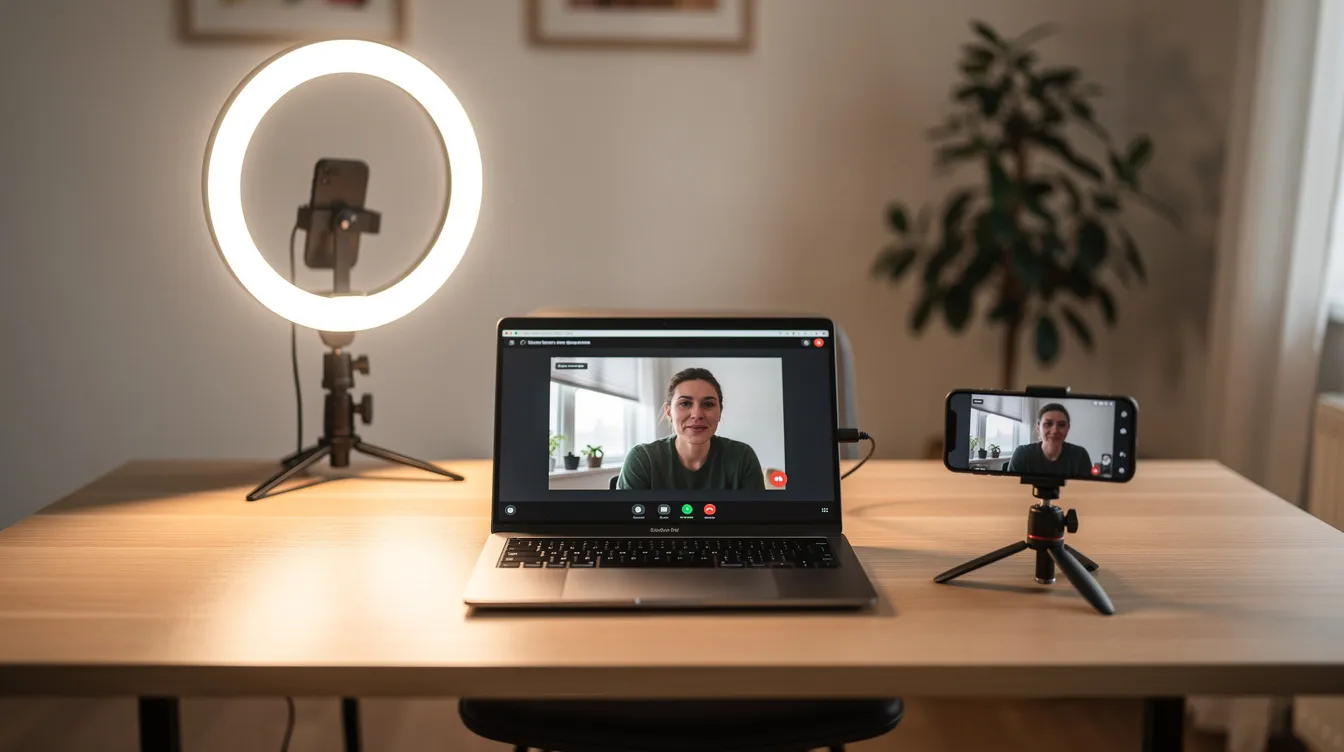
Be honest with yourself: ad revenue only kicks in once you reach YouTube Partner thresholds (1,000 subscribers and 4,000 watch hours). Early months are about learning and building, not earning.
Launch Simple Digital Products with AI Help
Digital products are items people download or access online: ebooks, guides, checklists, planners, Notion templates, Canva templates and basic online courses. AI supports the creation of digital products and templates by helping you brainstorm ideas, structure content, draft copy and create simple visuals.
AI can help create online courses by organising lesson plans, and AI tools can assist in developing course materials and assessments. AI can also help brainstorm ideas for online courses quickly. The e-learning market is expected to reach $375 billion by 2026, so demand for well made educational content is real. The average Udemy instructor earns around $3,300 a year, which is modest, but top performers in specific niches earn far more.
Where to sell digital products:
- Etsy (great for templates and printables)
- Gumroad (simple checkout, good for ebooks and guides)
- Teachers Pay Teachers (for educators)
- Shopify or a simple AI built website on your own site
Here is a concrete example. Suppose people keep asking you “how do I budget on a low income in the UK?” You could use AI to draft a 20 page budgeting guide, edit it with your own tips and local knowledge, design a simple cover in Canva, and sell it on Gumroad for £4.99. Once it is live, it can earn passive income while you sleep. But marketing and customer feedback still take time, so do not expect to publish and forget.
Offer AI Powered Services to Small Businesses
Many small business owners in 2026 know AI is useful but do not have time to learn the tools themselves. That gap is your opportunity. AI consulting services are in demand as organisations seek to implement new AI solutions into their daily work.
Services you can offer:
- Social media scheduling with AI written drafts. AI simplifies social media management by automating content scheduling, and AI can generate visuals for social media posts quickly. Brands need constant social media presence for engagement, so this is ongoing work.
- Basic AI powered chatbots for FAQs. AI technology can automate customer service through chatbots, and AI tools can help automate customer service, saving businesses time.
- AI based lead capture forms and email sequences. AI can help automate marketing strategies for businesses looking to grow without hiring extra staff.
- Inbox and admin support using AI summarising tools.
AI tools can save marketers an average of 2.5 hours daily, which is a selling point when you pitch to a busy salon owner or tradesperson. AI driven analytics enhance social media strategy effectiveness, so you can show clients real numbers about what is working.
Example packages: “AI assisted social media support for local salons” at £200 to £400 per month, or “AI powered email tidy and weekly summary for busy consultants” at £150 to £300 per month. Start with one or two clients, build case studies, then raise your prices. Always protect client data, use secure tools, and be clear in contracts about where AI is used and where human checks happen.
AI Consulting and Training for Normal People and Small Firms
AI consulting sounds grand, but it can start small. In plain terms, it means helping people choose the right AI tools, set them up safely, and build simple workflows that save time or money.
Beginner friendly starting points include one to one “AI skills” sessions for freelancers, staff workshops on safe AI use, or fixed price AI audits of a small business workflow. Median day rates for AI consulting in the UK sit at around £560 per day, with the bottom 10% earning about £400 and the top 10% reaching £788 per day. Even a half day workshop at £250 to £300 is decent income for a few hours of preparation and delivery.
AI tools are used for software development and code assistance, and AI can assist in the building of niche software and tools. AI can also be used to design custom digital assets. But keep it honest: no promises of “fully automated income,” clear communication about risks, and focus on realistic gains like faster admin or better reports.
To build credibility, share real examples and mini case studies, keep learning through free or low cost courses, and be upfront if something is outside your expertise. Contract roles citing AI skills now make up 9.20% of all UK contract IT vacancies, up from 4.33% a year earlier, which shows how fast market demand for these in demand skills is growing.
Use AI to Boost Existing Freelance or Employed Work
You do not have to quit your job to make money from AI. Workers in standard roles, whether marketing assistant, PA, customer support, teacher or accountant, are already using AI tools to save time and then picking up freelance work on the side.
AI tools can automate data analysis and visualisation tasks, which is useful for anyone who handles reports or spreadsheets. Businesses are increasingly seeking AI driven data analysis services, and predictive analytics can forecast sales and market trends using AI. Data visualisation tools like Tableau help businesses understand data insights, and learning to pair these with generative AI makes you more valuable. A data scientist who uses AI models and machine learning models to speed up analysis can take on freelance data analytics projects in the evenings.
AI software can also help with research, report drafts, slide decks, data management and simple design work, freeing up time for higher value tasks. Improved AI skills in a day job can lead to promotions, better paid roles or consulting opportunities outside work. These are indirect but real ways to make more money from AI.
One important point: check your employer’s policies on AI use, especially for confidential data or regulated industries. Keep a simple log of time savings and results so you can show evidence when asking for a raise or pitching freelance work.
How to Pick the Right AI Tools Without Getting Overwhelmed
Start with one AI tool for text and one for visuals or video. Do not sign up for every new AI platform that launches. One AI tool, used well, beats five tools used badly.
For text: ChatGPT or Claude are solid starting points. Both have free tiers for learning.
For images: Midjourney or Adobe Firefly for AI generated art. Stable Diffusion if you want more control and are willing to learn.
For video: Canva AI Video or Descript for beginners. Runway for more advanced editing.
For websites: Framer AI or Wix AI for quick builds.
When comparing free tools versus paid tiers, check these things:
- Usage caps (how many prompts or images per day)
- Export quality and resolution
- Commercial licences (can you sell what you make?)
- Data retention (does the tool store your inputs?)
- Terms of use for AI output
Keep a simple written workflow so you know where each tool fits and where human checks are needed. Prompt engineering, meaning writing clear instructions for the AI, matters more than the specific tool you choose. Spend time learning to write good prompts rather than chasing the newest AI algorithms or large language models.
Step by Step: Go from AI Idea to First Pound Earned
Here is a simple sequence you can follow this weekend to start making money online with AI:
- Choose one idea. Pick one income model from this article. Do not try three at once.
- Pick one AI tool. Sign up for a free tier. Learn the basics.
- Create two or three sample pieces of work. These could be blog posts, social media post drafts, simple designs, or a mock website.
- Show them publicly. Post on LinkedIn, a local Facebook group, or your own site.
- Invite test clients. Offer a limited “intro price” to gather customer feedback and testimonials.
Where to find first customers:
- Friends and family who run small businesses
- Local Facebook groups and community noticeboards
- LinkedIn posts explaining what you offer
- Small business networking groups
- Beginner friendly online platforms like Fiverr or PeoplePerHour
Set basic terms before you start: what you will deliver, how many revisions are included, how long it will take, and how you expect to be paid. Once you have two or three happy clients and some testimonials, raise your prices. Your goal is to earn your first £20 to £50 and prove the concept works. Business growth comes from repeating what works, not from endlessly planning.
Common Pitfalls, Ethics and Legal Points with AI Money Making
Watch out for “get rich quick with AI” schemes. Any course or video promising £10,000 a month within weeks is almost certainly overselling. Real growth tends to take months of steady work, and income depends on your niche, effort, pricing and quality.
Key legal points for UK readers:
- Copyright. AI generated content and AI generated artwork sit in a grey area. Under UK law, “computer generated works” with minimal human input receive 50 years of protection, but how much human input counts as authorship is still unclear. Always check your AI tool’s terms for commercial rights before selling anything.
- Trademarks. Do not use recognisable logos, characters or brand names in AI art. The Getty v Stability AI ruling showed that trademark claims can succeed even when broader copyright claims fail.
- Tax. If your AI side hustle earns above HMRC thresholds, you must register as self employed and keep records of income and expenses. Tool subscriptions and software costs are usually deductible. Set aside money for tax from day one.
- Data privacy. Do not put sensitive client data into public AI chatbots without written consent. Use AI tools with clear data protection policies, and add a simple AI use clause to client agreements.
Be transparent with clients about where AI is used, especially when it affects data privacy, decision making or ownership of the final work. Honesty builds trust and repeat business.
Which AI Money Making Ideas Suit Complete Beginners?
If you are new to all of this, here are five starter ideas that need low upfront cost, no big audience and no special qualifications:
- AI assisted content editing. Use AI writing tools to tidy up blog posts or product descriptions for small businesses. You just need good English and attention to detail.
- Simple AI generated art for print on demand. Create designs, upload to Printful or Redbubble, and sell without holding stock.
- AI helped CV and cover letter writing. Use an AI assistant to draft, then edit by hand. Charge £15 to £30 per CV.
- Basic social media support. Draft social media posts, suggest content calendars and schedule using free tools for local businesses.
- AI powered admin assistance. Summarise emails, organise files, draft replies. Perfect if you are already good at data entry and organisation.
These work for beginners because the learning curve is gentle, the tools are cheap or free, and you can see results within days. Pick just one and commit to it for at least 30 days before trying another. Progress comes from small, honest tests with real people, not from endlessly watching AI side hustle videos.
The best way to identify trends and spot which income stream suits you is to start doing, not researching. Open one AI tool, make something, show it to someone, and ask if they would pay for it. That single test is worth more than a hundred hours of reading about digital marketing strategies.

Frequently Asked Questions
How much money can I realistically make from an AI side hustle in 2026?
In the early months, expect £50 to £300 while you learn and build a client base. Once you have systems, testimonials and a clear niche, £500 to £2,000 per month is achievable working 15 to 25 hours a week. A UK survey found experienced AI freelancers averaged about £3,840 per month at 20 to 30 hours a week. Earnings depend on your niche, effort, pricing and quality. Anyone promising fixed income numbers is likely overselling.
Can I make money from AI if I live outside the UK?
Most AI powered services and digital products can be sold worldwide through online platforms. Payment services like PayPal, Stripe and Wise work in most countries. Tax rules and self employment registration vary by country, so check your local requirements. Price in your local currency but stay aware of international rates so you do not undercharge.
Do I need paid AI software, or can I stick to free tools?
Free plans are fine for learning, testing ideas and creating early portfolio pieces. Common free plan limits in 2026 include usage caps, slower responses, watermarks and restrictions on commercial use. Upgrade to paid AI software only when your income stream covers the subscription cost and still leaves profit.
Is it safe to put client data into AI tools?
Do not put sensitive personal data, financial details or confidential business information into public AI chatbots without written client consent. Some AI platforms offer enterprise or private model options with stronger data protection. Add a simple AI use clause to client agreements so everyone knows what is shared and where.
What if I am worried AI will replace my job rather than help me earn more?
Learning AI skills is one of the best protections against being replaced. It makes you the person who knows how to use the tools, not the person who gets replaced by them. Start by using AI to make your current work faster or better. The most valuable work in 2026 still needs human judgement, trust and experience, with AI tools acting as an assistant, not a replacement.
