
How To Sell a House Fast In The UK Without Costly Mistakes
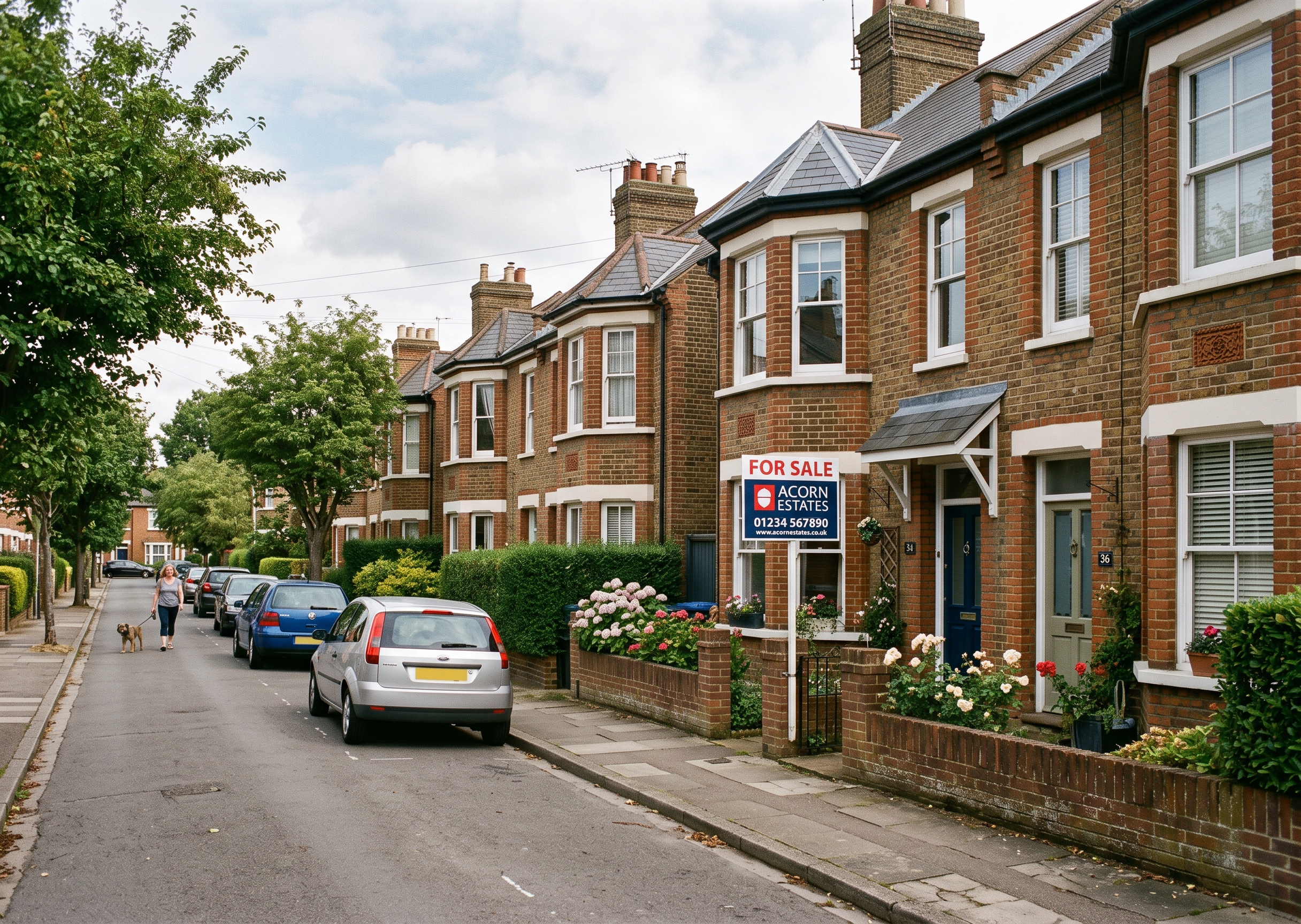
If you need to sell your house fast, you are probably already feeling the pressure. Whether it is a job move, a divorce, mortgage arrears or a chain that has just collapsed, the last thing you want is vague advice that does not actually help you move things along.
This guide covers every route available to UK sellers in 2024 to 2026, with honest numbers, real trade offs and practical steps you can take this week.
Key Takeaways
- Sellers face a clear trade off between speed and price. Estate agents on the open market can get closer to full market value but take 4 to 6 months on average. Cash buyers can complete in 7 to 28 days but typically offer 75 to 85 percent of market value.
- The actions you take before listing (pricing correctly, sorting paperwork, preparing your home) have more impact on speed than almost anything else.
- Watch out for hidden fees, false promises and firms claiming “100 percent of market value in 7 days.” If it sounds too good to be true, it is.
Start Here: How Fast Do You Really Need To Sell?
Not everyone reading this is in the same boat. Some of you need to sell your house in a matter of weeks. Others just want to avoid the usual slog, where over 50% of UK sellers fail to find a buyer within 10 months. Both are valid reasons to look for a quicker route.
Here are the typical UK timelines depending on which path you choose:
- High street estate agents: 4 to 6 months from listing to completion. Traditional estate sales can take 6 months or longer once you factor in finding a buyer, conveyancing and potential chain delays.
- A well priced listing with a proactive agent: 6 to 12 weeks if everything lines up.
- Cash buyers and fast sale companies: Properties can sell in as little as 7 days. Most complete within 7 to 28 days.
- Property auction: Selling through auctions can complete sales within 30 days after the hammer falls, with a marketing period of 3 to 6 weeks beforehand.
Common reasons people look for a quick house sale in 2024 to 2026 include job relocation deadlines, divorce proceedings, inheritance and probate, mortgage arrears, broken chains, and needing to free up cash for a new build purchase.
Before you go any further, write down the three things you care about most: speed, final price, and certainty of completion. Your answers will point you towards the right selling route.
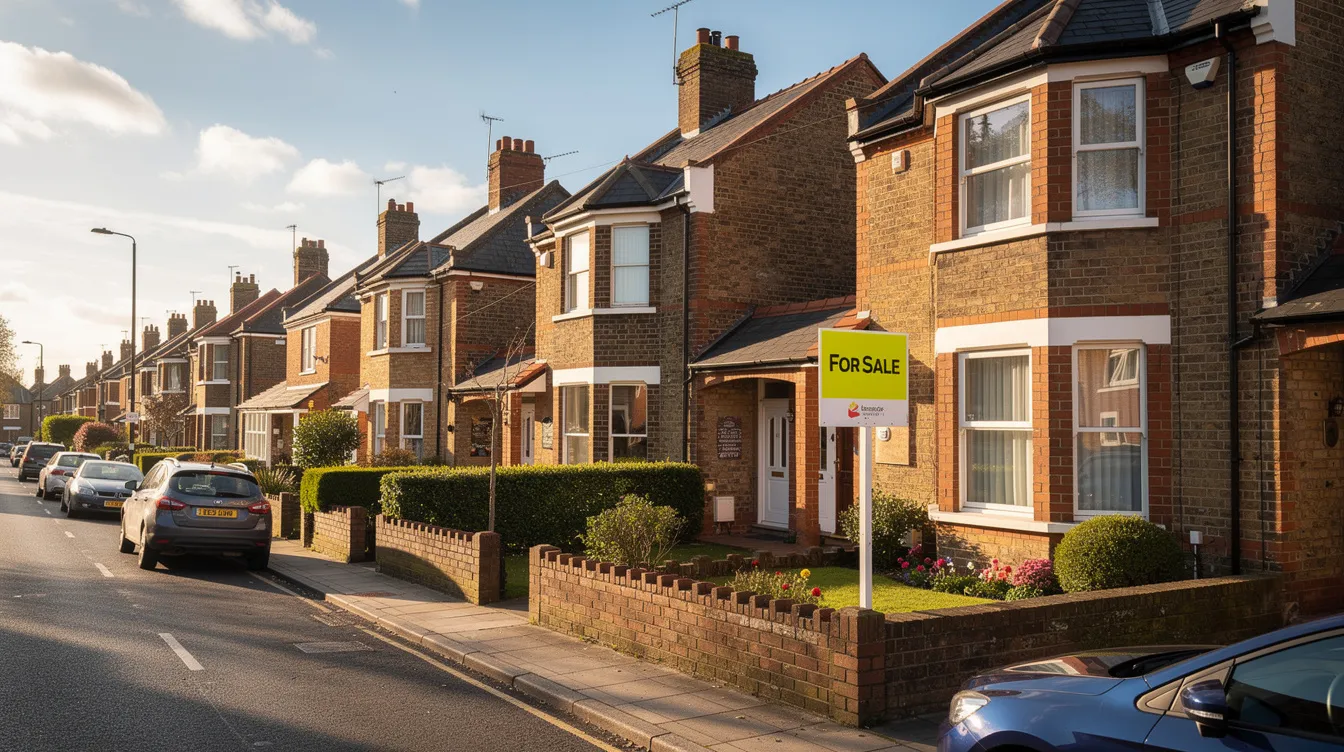
Decide On Your Selling Route Before You Do Anything Else
The route you pick shapes everything that follows: how you prepare the home, what costs you pay and how quickly you can complete. There is no single right answer. A family in a 3 bed semi in Leeds with time to wait will choose differently from someone facing repossession in Liverpool.
Open market with a high street or online estate agent. Best for getting the highest price. Estate agents charge 1 to 3% of the sale price as commission, and you will wait longer, but you are more likely to achieve close to full market value. The downside is the fall through rate: roughly 25 to 30% of accepted offers collapse before completion due to chain breaks, mortgage problems or survey issues.
Property auction. A middle ground between speed and price. You set a reserve, buyers bid competitively, and once the hammer falls the buyer is legally bound. Completion is typically fixed at 28 or 56 days. The risk is that bidding may not reach your reserve.
Cash buyers and sell house fast service companies. The fastest route. Cash buyers can complete sales in as little as 7 days. Selling through cash buyers incurs no estate agency fees, and some firms cover legal costs too. The trade off is price: expect offers of around 75 to 85% of market value.
Preparing Your Home Fast For Sale
Even when you are in a hurry, spending 3 to 5 focused days on preparation can shave weeks off the time your home sits on the market. You do not need a full renovation. Think of it as a quick edit: deal with clutter, smells and obvious problems first.
A simple plan helps. For example: “Saturday: living areas and kitchen. Sunday: bedrooms and garden.” If you are selling to cash buyers who purchase in any condition, light prep still helps you negotiate a better cash offer because it removes easy excuses for a price reduction.
Declutter Quickly Without Emptying The House
Decluttering can improve buyer interest and it does not need to take weeks. Grab three types of box: keep, charity shop and short term storage. Work room by room in a single day.
Clear kitchen worktops so only the kettle and a fruit bowl remain. Halve the contents of wardrobes so they look spacious rather than bursting. Remove bulky items like playpens or exercise bikes from living rooms. Every extra square foot of visible floor makes a home feel bigger and supports a fast sale.
Buyers need some warmth, though. Do not strip every photo and book from view. A few personal touches help prospective buyers picture real life in the home.
Clean, Tidy And Fix The Obvious
A clean and well maintained home reduces buyer concerns about repairs. Focus on jobs you can finish in a weekend: touch up scuffed paint, tighten loose door handles, replace broken bulbs, oil squeaky hinges.
Deep cleaning and repairing obvious issues improves a home’s marketability. Re seal a mouldy bathroom, patch small wall holes, and fix dripping taps. These minor repairs cost very little but make your property more appealing to many buyers.
Before photos or viewings, do a final “viewer’s walk” through the house. Check for washing on radiators, overflowing bins, pet bowls and shoes piled by the front door. A clean home can influence buyer perceptions far more than you might expect.
Give Every Room A Clear Purpose
Spare rooms piled with boxes or home offices crammed into bedrooms confuse potential buyers and make homes feel smaller. Staging your home helps buyers envision themselves in the space.
Quick fixes work well here. Borrow a bed frame for a spare room, add a cheap desk to create an office, or rearrange furniture so each room reads clearly as a bedroom, study or dining room. Using neutral colours on walls can appeal to a broader range of buyers too.
Maximising natural light can make spaces feel larger and more inviting. Open curtains fully, clean windows inside and out, and move any furniture blocking light from reaching the room.
Boost Kerb Appeal In One Afternoon
Maximising kerb appeal can enhance first impressions, and most of the work takes a single afternoon. Mow the lawn, sweep paths, clean the front door and window frames, and tidy up the front garden.
On viewing days, hide wheelie bins and recycling boxes out of sight. Polish or replace tired house numbers and letterboxes for under £20. Kerb appeal matters online too, because buyers scrolling Rightmove thumbnails will decide whether to click based on that first photo of the front of your house.
Choose And Manage An Estate Agent If You Go The Traditional Route
High street estate agents typically charge 1 to 3% commission on sales. According to Rightmove, the average sole agency fee in 2025 was around 1.3% including VAT. On a £275,000 house, that works out at roughly £3,600. Multi agency agreements cost more, usually 2.5 to 3.5% including VAT.
Invite at least three estate agents to value your home. Compare not just the suggested asking price but also contract length, marketing plan and how many similar homes they have sold locally. Be careful with long tie in periods. Most contracts run at least six weeks; avoid sole selling rights clauses that force you to pay even if you find a buyer yourself.
Ask each agent directly how they will attract cash buyers or chain free buyers. If speed matters to you, this question separates the good agents from those who will simply list your home and wait.
Spotting A Good Estate Agent For A Fast Sale
Check how many similar homes the agent has sold in your postcode in the past 6 to 12 months and what their average days on market looks like. Research from MoneyWeek found that agents with an average selling time of 11 days achieved 100.4% of asking price, while slower agents lost sellers thousands.
Look at their existing listings. Are the photos bright and professional? Do they include floorplans? Is the description well written or generic? Sloppy listings suggest low effort.
Agree in writing how quickly they will relay feedback after viewings and how often they will review your price and marketing if interest is slow. The right estate agent can get you a faster, better result than simply picking the one who quotes the highest value.
Price It Right From Day One
Correct pricing in the first fortnight is the single biggest factor in a successful sale on the open market. Pricing competitively can create urgency among buyers and sometimes generate multiple offers.
Research sold prices using HM Land Registry data and portals like Rightmove and Zoopla to see what similar homes in your local area actually achieved, not just what they were listed at. There is often a gap between asking price and sale price, and that gap is where sellers lose time.
Setting your price slightly below comparable homes can attract competition in the first two weeks. Overpricing at the start leads to months of sitting on the market, followed by price reductions that make many buyers wonder what is wrong with the property.
When A Lower Price Can Save You Money Overall
Imagine holding out for an extra £5,000 on a house worth £300,000. If it takes three extra months to sell, you might pay an additional £2,400 in mortgage interest, £600 in council tax and £500 in utility bills, a total of £3,500 in holding costs. That extra £5,000 suddenly looks more like £1,500.
A slightly lower, realistic price can be cheaper once you factor in time, stress and the risk of chain breaks collapsing the sale. Many sellers find that accepting a fair price early beats chasing a higher price for months.
Decide on a sensible “walk away” figure before you list. Having that number clear in your head makes offer decisions quicker and stops you stalling when a reasonable bid comes in. If you are looking at cash buyers or investor property buyers, expect a discount of 15 to 25 percent from full market value in return for a fast, guaranteed sale.
Make Your Listing Work Hard For You
If you are effectively marketing through an estate agent or online portal, your photos, description and floorplan do most of the selling before anyone books a viewing. Professional photography is important for online listings to attract buyers, so insist on bright, high quality images taken on a clear day with lights on and clutter removed.
Write a simple, honest description that highlights key selling points: garden size, parking, local schools, local amenities and transport links. Avoid vague adjectives. Buyers skim listings quickly, so put “fast sale friendly” details like “no chain” or “new boiler fitted 2024” in the first few lines.

Handle Viewings In A Way That Speeds Up Offers
Flexibility with showings increases the chances of selling your home quickly. Allow evenings and weekends to fit busy buyers’ schedules.
Plan short viewing slots during the first week on market to create a sense of interest. Make the home feel welcoming: open curtains, switch on lamps, air the house and keep pets out of the way. Answer questions honestly and keep conversations friendly but not overly personal so buyers feel comfortable looking around.
Respond Quickly To Interest And Questions
Slow replies to your estate agent, conveyancing solicitor or buyers can easily add weeks to the process and cause buyers to lose heart. Check your phone and email at least twice a day and return missed calls the same day wherever possible.
Have key documents ready to share: planning permissions, boiler service records, FENSA certificates and guarantees. Quick, clear answers help serious buyers put forward offers sooner and with more confidence.
Get Your Paperwork Sorted Before You Find A Buyer
Instruct a conveyancing solicitor as soon as your property goes on the market, not after you accept an offer. This single step can cut weeks off the process. Providing a clear, complete package for offers helps everything run more smoothly once a buyer is found.
In England and Wales, you will need:
- ID checks (passport and utility bill)
- Property information forms (TA6 and TA7)
- Fixtures and fittings list (TA10)
- A valid energy performance certificate (usually £60 to £120)
- Copies of building control certificates, FENSA certificates and any guarantees
- Tenancy agreements if the property is let
Having everything ready means your solicitor can send a contract pack out within days of you accepting an offer, not weeks later. Legal fees for conveyancing typically run between £800 and £1,800 depending on the complexity of the sale.
Choosing The Right Buyer For A Fast Sale
The highest offer is not always the best if the buyer is stuck in a long chain or has not yet sold their own home. Property buyers come in different forms: cash buyers with own funds ready to go, first time buyers with mortgage offers in principle, chain free buyers who have already sold, and those still waiting to sell other properties.
Ask your estate agent to check proof of funds or a mortgage agreement in principle before you take your home off the market. Weigh up the offer amount, how quickly the buyer can move, and how reliable their situation looks. A slightly lower offer from a chain free buyer often leads to a faster, more certain completion date than a higher bid from someone at the end of a five property chain.
Agreeing Target Dates And Keeping Momentum
Once an offer is accepted, agree a target date for exchange and completion that works for both sides. Regular check ins by phone or email with your solicitor and estate agent keep the file at the top of the pile.
If progress stalls for more than a week, chase outstanding searches, enquiries and paperwork politely but firmly. Staying organised and responsive is one of the simplest ways to protect a fast house sale from dragging on.
Using A Fast House Sale Or Cash Buying Company
Cash buyers and “we buy any home” firms buy directly with their own funds or via investors for a discounted price. Cash offers eliminate the need for mortgage approvals, which removes one of the most common causes of delay and fall throughs. Fast house sale companies can eliminate mortgage approval delays entirely.
Set realistic expectations. Typical offers from genuine cash buyers may be 75 to 85 percent of a careful market valuation in exchange for a guaranteed sale. Property Solvers can buy properties in any condition within 7 to 28 days and can complete sales in as little as 48 hours in certain cases. National Homebuyers guarantees cash offers in as little as 7 days. We Buy Any Home can buy houses in as little as 7 days too.
This route suits sellers who need to stop a repossession, clear urgent debts, or rescue a purchase after a buyer has pulled out just before exchange. Reputable cash buyers should not charge upfront fees. Property Solvers covers all legal conveyancing costs for sellers, and selling through cash buyers incurs no estate agency fees, which keeps costs down.
Checking For Hidden Fees And False Promises
Some firms advertise a free cash offer but then add hefty admin charges, option fees or tie in clauses buried in the small print. Others promise a high price to get you to sign, then drop the offer at the last minute when you are already committed.
Check whether the company is a member of The Property Ombudsman or the National Association of Property Buyers. Read independent reviews looking for complaints about last minute price drops, long delays or pressure tactics. Ask direct questions: is the company the actual buyer? When will funds be available? Is any cash advance interest free? If a firm cannot answer these clearly, walk away.
Considering Property Auctions For A Quick Sale
Modern online property auctions in the UK typically run a marketing period of around 3 weeks, followed by the auction itself. Selling through auctions can complete sales within 30 days after the hammer falls. Once the reserve is met, the buyer is legally committed, which gives you a firm completion date.
Auctions suit unusual homes, properties in poor condition, or sellers who want a fixed timetable more than a top end price. The best price comes from competitive bidding among multiple buyers on auction day.
The downsides are real, though. Selling at auction typically incurs fees of around 2% plus VAT. You will also pay for preparing a legal pack and possibly marketing costs. There is a risk that bids do not reach your reserve, in which case the property remains unsold. For most sellers, auctions land between the speed of cash buyers and the price potential of a patient estate agent sale.
Costs, Fees And How To Avoid Nasty Surprises
Selling a home in the UK costs more than many people expect. For a property worth around £290,000, total selling costs typically fall between £5,000 and £8,000 once you add up:
| Cost | Typical range |
|---|---|
| Estate agent fees | 1 to 3% of sale price (average around 1.3%) |
| Conveyancing and legal costs | £800 to £1,800 |
| Energy performance certificate | £60 to £120 |
| Removal costs | £420 to £1,800 depending on house size |
| Mortgage early repayment charges | Varies by lender |
Some fast sale and cash buying companies structure their pricing so there are no separate estate agent or conveyancing bills. That means the figure they quote you is the net amount you receive, which makes comparing options easier.
Watch out for hidden fees from online agents: marketing contributions, upgrade packs, cancellation charges and photography fees can add up quickly. Ask every firm to confirm in writing that there are no hidden fees and that the figure quoted is what you will actually receive at completion.
Common Mistakes That Slow Down A Fast Sale
Most sellers who end up stuck on the market for months have made one or more of these errors:
- Overpricing at launch. This kills interest in the first fortnight, which is when you get the most attention from buyers.
- Refusing early offers while holding out for a dream price. Many buyers who bid early are the most motivated and chain free.
- Not answering solicitor enquiries promptly. Leaving planning paperwork in a loft box or taking a week to reply to emails can add a month to your timeline.
- Failing to tell your mortgage lenders early about plans to repay. Redemption statements and exit fee calculations take time.
- Switching estate agents or solicitors halfway through. This resets time on market and may involve new tie in periods.
Pick one strategy and follow it through. Chopping and changing between approaches is one of the most common reasons a house sale drags on.
Choosing The Fast Sale Route That Actually Works For You
Every route to selling directly or through an agent balances speed and price differently. A traditional estate agent gives you the best chance at the best price but takes the longest. Auctions offer a fixed timeline with competitive bidding. Cash buyers deliver the fastest, most hassle free sale but at a discount.
Whatever route you choose, a realistic asking price, good preparation and quick communication are the three biggest levers you control. These three things matter more than market conditions, more than the time of year, and more than which postcode you are in.
Take one small step today. Book three valuations. Gather your paperwork. Request a cash offer from a reputable buyer. A well planned fast house sale can be calm, fair and honest, not just a last resort.
Frequently Asked Questions
How fast can I realistically sell my home in the UK?
A well priced home with a good estate agent might find a buyer within 2 to 4 weeks and complete in 10 to 14 weeks. Reputable cash buyers and some auctions can complete in 7 to 28 days if all paperwork is ready. Leasehold flats, complex titles and probate cases often take longer because of extra legal checks, even with a cash buyer.
Will I always get less money if I use a cash buyer or fast sale company?
Genuine cash buyers usually pay below full market value, often around 75 to 85 percent, in return for speed and certainty. But once you factor in months of mortgage interest, council tax, utility bills and potential price drops, the gap is sometimes smaller than it looks. Compare net figures in pounds rather than just percentages, and decide how much a guaranteed, chain free sale is worth to you.
Can I sell my house fast if I still have tenants?
Many investors and some cash buyers are happy to buy tenanted properties and keep existing tenants in place. You will need correct paperwork: tenancy agreements, deposit protection details, gas safety records and rent statements. Check your mortgage and insurance terms and take legal advice before serving any notices on tenants.
Is it worth doing repairs if I need a fast sale?
Prioritise low cost, high impact jobs: paint touch ups, fixing leaks, replacing broken fittings and deep cleaning kitchens and bathrooms. Bigger projects like new kitchens or extensions rarely pay off if you are in a hurry and can delay the listing itself. Most cash buyers and auction buyers expect some work, but visible neglect pushes offers down further than necessary.
Can I get a cash advance before my sale completes?
Some fast sale companies offer small, interest free cash advances which are taken off the final amount at completion. Insist on a clear written agreement showing how much is advanced, how it will be repaid and what happens if the sale falls through. Never rely on verbal promises alone and ask your own solicitor to check any advance agreement before signing.
