
How to Sell Concert Tickets in the UK If You Can’t Attend
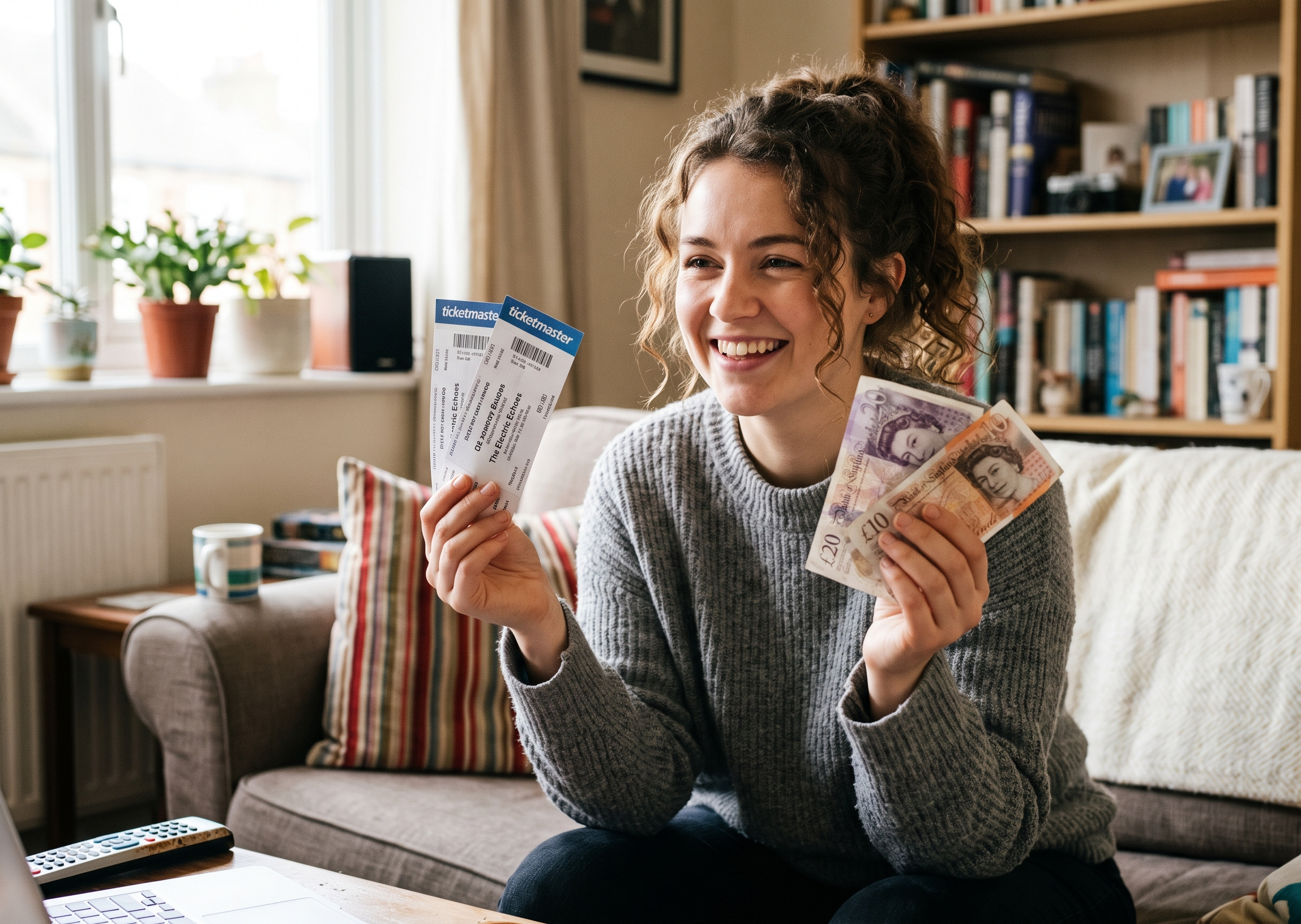
We have all been there. You bought tickets for a gig you were really looking forward to, and then life got in the way. Maybe you are ill, maybe work shifted your schedule, or maybe you just double booked.
Whatever the reason, you are now sitting on concert tickets you cannot use and wondering how to get your money back without getting ripped off or breaking the rules.
The good news is that selling spare tickets in the UK is perfectly doable, and in most cases completely legal. But there are a few things you need to know before you start, from where to list them to how much you can charge and how to avoid scams. This guide will walk you through the whole process step by step.
Key Takeaways
- In the UK, you can usually sell concert tickets, but you must follow the terms on your original booking and any laws around resale. Always check your confirmation email and the event’s rules before you list anything.
- To sell spare tickets quickly and safely, use a trusted resale platform, price them sensibly around face value, and write a clear listing with the artist name, venue, date and ticket type.
- Avoid scams by keeping everything inside a secure ticketing system. Never sell via screenshots, WhatsApp or cash in hand, and never share your ticket barcode publicly.
How Ticket Resale Works and When You Are Allowed to Sell
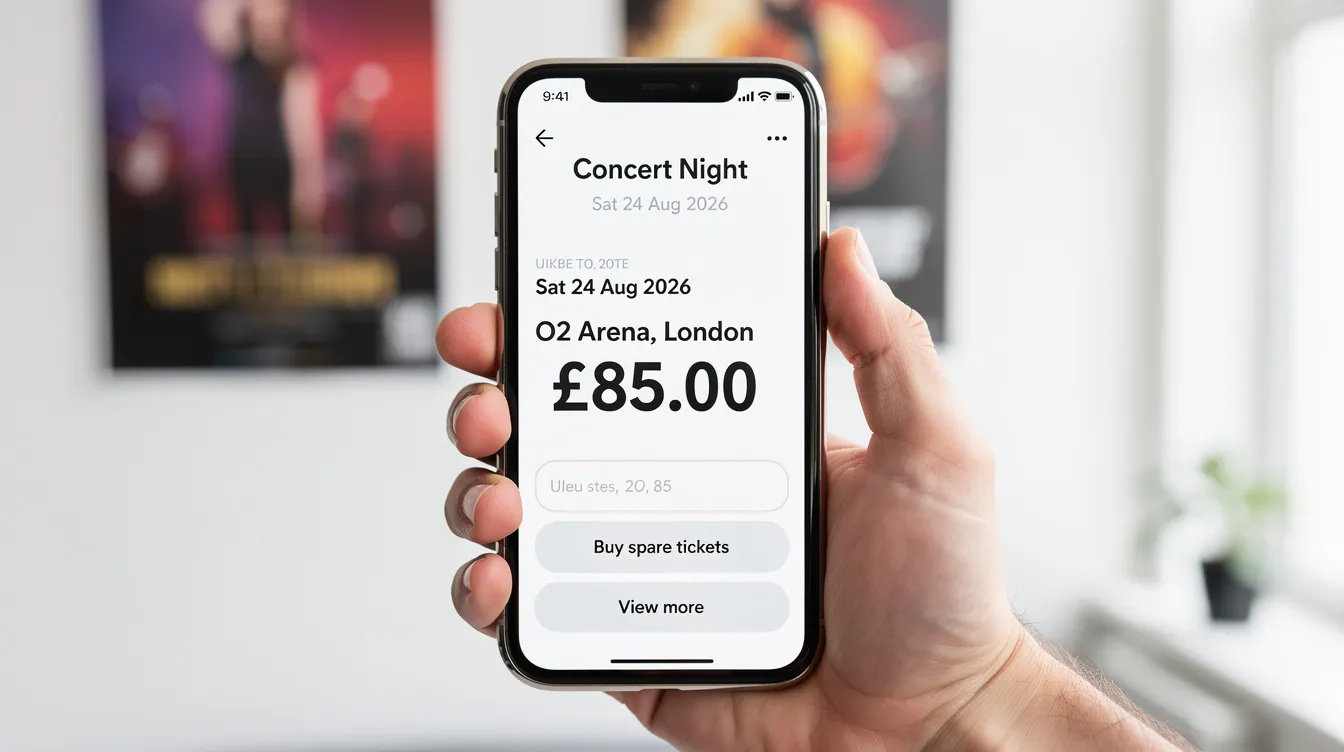
Plans change, and that is the main reason most people end up needing to sell concert tickets. Maybe you booked tickets for a big gig in October 2026 months ago and now you cannot go. It happens all the time, and you are not alone. The important thing is knowing how to do it properly.
Reselling concert tickets is legal but regulated in the UK. Under the Consumer Rights Act 2015, sellers must tell the buyer certain details like the face value of the ticket, the seating location and any restrictions. Organisers cannot just cancel a ticket because it has been resold, unless the original terms clearly say resale is not allowed. Some event organizers prohibit ticket resale altogether, so resale conditions vary by organiser and event type. Always check ticket terms before attempting resale.
What to check first: Open your original confirmation email or log into your booking account. Look for a “resale” or “fan to fan exchange” option. For example, if you bought tickets for a Harry Styles concert at The O2 Arena on 12 October 2026, you would go to your Ticketmaster account, find the event under “My Tickets”, and see if there is a “Sell” button. That is your easiest and safest starting point.
There are two main ways to sell tickets:
| Route | How it works | Risk level |
|---|---|---|
| Official fan to fan resale (inside the original ticketing app) | The platform cancels your ticket and reissues a new one to the buyer. Verified and secure. | Low |
| Outside marketplaces (secondary platforms like StubHub or Viagogo) | You create a listing on a separate site. Less control from the original seller. | Higher |
Official channels are almost always better because they are verified by the original ticketing company. Instant digital ticket transfers are preferred by buyers for convenience and security, and most official platforms handle this automatically.
Many UK promoters now only allow resale at or below face value. Face value simply means the price printed on the ticket, before any optional extras, though it sometimes includes unavoidable booking fees. The UK government’s “Putting Fans First” consultation has proposed capping resale prices at original cost plus fees, limiting the volume one person can resell, and imposing penalties on platforms that do not enforce fair pricing.
One thing worth knowing is that paper tickets, mobile app tickets and PDF tickets all behave slightly differently when you sell them. Paper tickets may need a physical handover, mobile tickets usually transfer inside the app, and PDFs can have security features that make them tricky to pass on safely. Check how transfer works before you list.
To give you a real example, if you wanted to sell tickets for a sold out Olivia Rodrigo show at Manchester AO Arena, you would first check the promoter’s site for an official resale option. The same applies to a summer festival weekend in London. Platforms like Tixel and Twickets are active in 2026 doing face value fan to fan resale, and over 90% of tickets listed on Tixel sell within 4 days.
According to a Which? survey from April 2025, 61% of UK adults were confused about the difference between primary and secondary ticket sellers, and 67% worried a resold ticket might be invalid. That is exactly why it is worth taking a few minutes to understand how the system works before you jump in.
How to List and Price Your Spare Tickets So They Actually Sell
Right, let’s get into the practical bit. Here is how to list your spare tickets from start to finish, so they actually sell and you get your money back.
Step by Step Listing Instructions
- Sign in to a trusted resale platform. This could be the fan to fan exchange built into your original ticketing account (like Ticketmaster or See Tickets), or an independent face value site like Tixel or Ticket Hunter. Choose a platform that allows easy ticket management, because a reliable platform increases your chances of completing sales quickly.
- Find the event. Go to “My Tickets” or the equivalent section and select the show you want to sell for. Enter the correct date, venue and section.
- Select “Sell” or “Resale”. Most platforms make this easy to find once you are looking at your booking.
- Add ticket details. Confirm the ticket type (standing, seated, VIP), the number of seats available, and the transfer method (electronic, mobile or paper).
- Set your price. This is the bit that matters most, so read the pricing advice below.
- Write your listing title and description. A well written listing significantly increases your resale chances. Use relevant keywords in your ticket listing for better visibility. For example:
Example listing: “2 standing tickets for Eric Prydz, Printworks London, Saturday 19 September 2026, electronic ticket transfer”
Include the artist name, venue, date and ticket type. Transparency about seat details can enhance buyer trust in ticket listings. If you have seats rather than standing, mention the block and row. Creating a clear and informative event page is essential for selling tickets online.
- Review your listing and publish. Double check everything is correct, then complete the listing. Make sure your profile is verified if the platform asks for it, because complete and verified profiles build buyer confidence.

Getting the Price Right
Ticket pricing is primarily influenced by supply and demand in the market, so it pays to do a bit of research before you set your price.
- Start around face value. This is the safest option and, for many events, the only option allowed under the terms.
- Compare similar tickets to determine a fair price. Look at what other sellers are asking for the same show and similar seats.
- Pricing tickets slightly below comparable listings can increase sales speed. If several people are selling the same event, dropping a few pounds below the average can make your listing stand out.
- Setting a competitive price increases visibility and attracts more potential buyers. Researching market prices helps in setting competitive ticket prices.
- Selling tickets closer to a sold out event can command higher prices due to increased demand, but remember that selling above face value may breach the terms for some events, especially big tours and festivals, and can risk your tickets being cancelled.
- Building urgency through limited ticket availability can drive quicker purchases. If you only have one or two tickets, mention that clearly.
Timing matters too. Selling concert tickets requires timing and trust building with buyers. Tickets for a Friday night concert in central London usually sell faster than a midweek show in a smaller city. If the day of the event is approaching and your tickets have not sold, last minute drops in price are often needed in the final 48 hours. Over 90% of tickets sell within 4 days on Tixel, so if you are on the right platform, things can move fast.
Mobile friendly checkout experiences are crucial for increasing ticket sales, so pick a platform that works well on phones. Many buyers will be scrolling on their mobile when they spot your listing.
Early momentum in ticket sales can be generated by building a mailing list before sales begin, and using targeted ads can effectively promote concert events to local audiences. For most individual sellers, though, the simplest boost is sharing listings on social media, which can help sell concert tickets quickly. Just share the platform link rather than any ticket details.
Fees and Getting Paid
Most resale platforms take some fee from the sale. Typically, the combined fees (what the seller and buyer pay between them) land somewhere around 10 to 15% of the resale price, though it varies. Some platforms, like Ticket Hunter, currently offer 0% seller fees until 2027, which means more of the money goes to you.
Payouts often work on an escrow basis. The platform holds the money until after the event takes place, to protect the buyer in case the ticket turns out to be invalid. After that, your funds are released, usually within a few days. AXS, for example, notifies sellers via email once tickets sell, so you will know when a sale goes through.
Keep all messages and payments inside the ticketing platform. Do not share your phone number or email address directly with buyers, and never accept payment through a separate app or bank transfer.
How to Stay Safe and Avoid Ticket Scams
Whenever money and in demand concert tickets are involved, scammers follow. This section will show you how to sell tickets safely and protect yourself from the most common risks.
Why Screenshots and Cash Deals Are Dangerous
It might seem easy to sell a ticket by sending a screenshot of the barcode over WhatsApp or meeting someone outside the venue. But this is exactly how people lose money. A buyer could clone the barcode from a screenshot, use it to get in first, and leave you or another buyer locked out. Private sharing of ticket barcodes can lead to scams, so avoid posting them online or sending them to anyone outside a secure system.
Avoid cash transactions outside the resale platform. Meeting strangers at the venue gates to hand over paper tickets is risky for both sides. There is no proof the ticket is valid, no proof the money was paid, and no comeback if something goes wrong.
How Protected Resale Actually Works
On trusted platforms, the process is designed to keep everyone safe. Here is what usually happens:
- You list your ticket through the platform
- The platform verifies your ticket with the original seller
- When a buyer purchases it, the platform cancels the original ticket and issues a new one directly to the buyer
- You get paid after the sale (or after the event, depending on the platform)
Secure platforms often cancel original tickets to prevent fraud, which means there is no chance of the same ticket being used twice. This is how Ticketmaster’s Fan to Fan exchange works, and it is the same idea on platforms like Tixel and Twickets. Twickets is a trusted platform for reselling tickets and is well known in the UK for face value only sales.
Using a trusted platform reduces fraud risks in ticket resale. Never sell tickets from unknown individuals without a trusted platform acting as the middleman.
Payment Safety
Use trusted payment providers like PayPal or Visa through the resale site’s own checkout. If a buyer ever suggests paying you directly by bank transfer or through a money transfer app, that is a red flag. Walk away.
Check Reviews Before You Choose a Platform
Before you list anywhere, take a few minutes to review the platform. Look up recent 2025 and 2026 customer feedback on Trustpilot or similar sites. Pay attention to complaints about invalid tickets, failure to pay sellers, or poor refund policies. Older reviews from several years ago may not reflect the current experience.
Keep Your Barcodes Secret
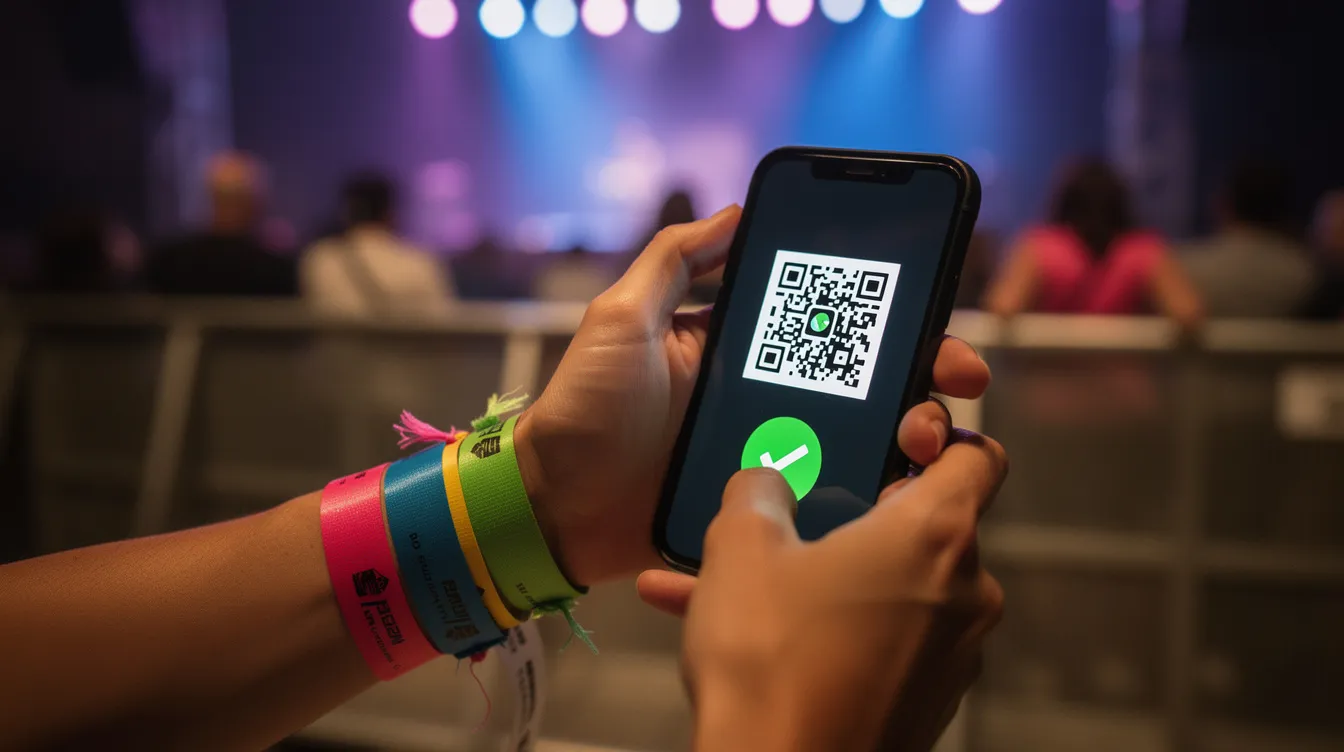
This one is simple but important. Never post your ticket barcode or QR code on social media, and do not email full ticket PDFs to anyone outside the resale system. Once someone has your barcode, they can potentially use your ticket before you do.
If you stick to well known platforms, set a sensible price at or around face value where required, and keep everything inside the system, most ticket sales are smooth and safe. The best experience comes from doing things properly from the start rather than trying to cut corners.
Selling concert tickets does not have to be stressful. Whether you are clearing a couple of spare tickets for a sport event, a festival weekend or a big arena show, the process is the same. Find a trusted platform, price your tickets fairly, write a clear listing, and keep everything secure. You will be ready to get your money back without any fuss. If you have not already, log into your booking account today and see if there is an official resale option waiting for you. It really is that easy.

Frequently Asked Questions
Here are quick answers to common worries that did not fit neatly into the main guide above.
Can I Sell Tickets if the Organiser Says They Are Non Transferable
If the booking terms say tickets are non transferable, the organiser can cancel them if they spot them being resold, even though resale itself is legal in the UK. This is because you agreed to those terms when you made the purchase.
Your best option is to check whether there is an official fan to fan exchange linked to the event. This may be the only approved way to sell spare tickets without breaking the rules. For example, some Ticketmaster events only allow resale through their own system, and any other route could result in the ticket being voided.
If there is no approved resale route, it may be safer not to try and sell at all. The buyer could be refused entry and you could lose both the money and your reputation on the platform.
What Happens if the Concert Is Postponed After I Have Sold My Ticket
On many reputable resale platforms, if a concert is postponed rather than cancelled, your sale usually stands and the buyer keeps the ticket for the new date. The seller has already been paid (or the payment is held), and nothing changes unless the event is fully called off.
If the event is fully cancelled and all tickets are refunded by the original seller, the platform will normally cancel the sale, refund the buyer, and not pay the seller. This is standard practice across most fan to fan exchanges.
Before you list, read the specific resale policy for the event. Some big tours and festivals in 2026 have their own rules on postponements, so it is worth checking rather than assuming.
Can I Change My Asking Price After I List My Spare Tickets
Yes, most ticket resale sites let you lower the price at any time before the tickets sell. This is useful if the date is getting close and you want to move them quickly.
Raising the price may be limited or blocked on some official fan exchanges, especially where tickets must be sold at or below face value. If you are on a platform with a price cap, you will not be able to go above what you originally paid.
A good approach is to check your listing regularly in the week before the event and adjust the price in small steps rather than big jumps. Even dropping by a few pounds can make the difference.
How Many Tickets Can I Sell Without Looking Like a Trader
If you regularly buy and sell large numbers of concert tickets, you may be treated as a professional trader under UK law. That comes with extra legal and tax obligations, including registering with HMRC and following consumer selling rules.
For typical fans clearing the odd spare ticket for a London concert or a festival in 2026, this is unlikely to cause any problems at all. Selling a handful of tickets a year because your plans changed is completely normal.
If you find yourself flipping tickets frequently for profit, it is worth reading up on HMRC guidance and consumer protection rules, or simply stopping before it becomes an issue.
When Will I Actually Get the Money for My Sold Tickets
Some platforms pay out shortly after the tickets sell, while others only release funds a few days after the event has taken place. The second approach protects both the buyer and the seller, because it gives the platform time to confirm everything went smoothly.
Before you list, check the payout timetable and any minimum withdrawal amount so you are not surprised by a wait. Some platforms also need to verify your identity before sending larger sums, which can add a day or two.
Use the same bank account throughout the process and keep an eye on your emails in case the platform needs anything from you to finish the payout.
