
How to Sell on Facebook Marketplace UK and Make Money Fast
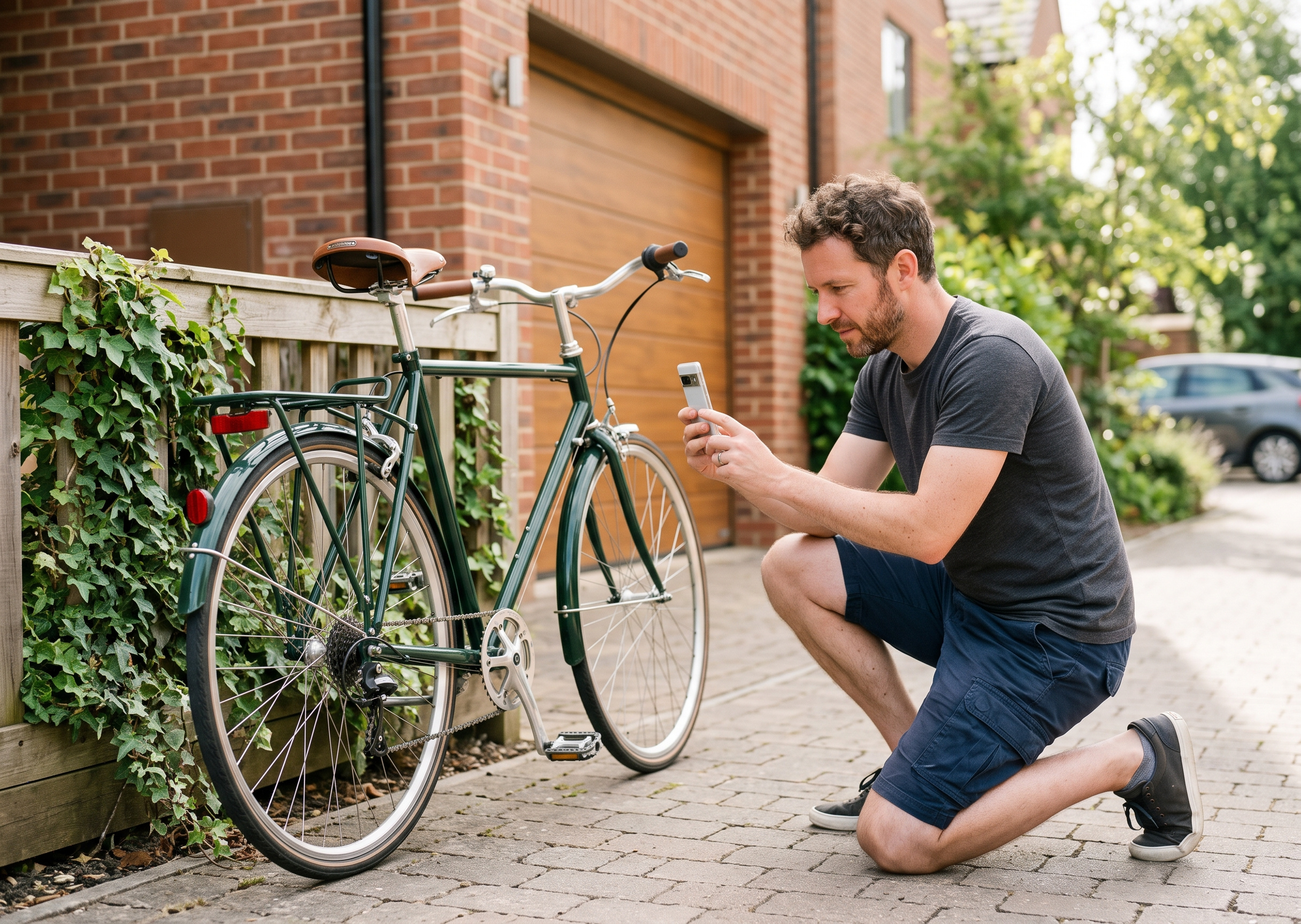
If you have ever looked around your home and thought “I should really sell some of this stuff,” Facebook Marketplace is one of the quickest ways to turn clutter into cash.
You do not need a website, an ecommerce store or any special tools. All you need is a personal Facebook account, a phone with a decent camera, and a few minutes to spare.
This guide covers everything from creating your first listing to pricing, photos, safety and building a proper side hustle. Whether you are clearing out a spare room or testing the water with a small business idea, this is how to sell on Facebook Marketplace and actually walk away with decent money for your time.
Key Takeaways
- Facebook Marketplace is free to list on, with no fees at all for local pickup.
- Clear listings combine clear photos, strategic pricing and safe local trading practices. Focus on honest descriptions and sensible prices if you want your marketplace listing to stand out and sell quickly.
- Stay safe and scam aware. Keep chats in Facebook Messenger, meet in well lit public places for collection, and never hand over items before you have confirmed payment has cleared.
How to Start Selling on Facebook Marketplace Today
Anyone with a personal Facebook account can sell items on Facebook Marketplace in a few minutes, even if they have never listed anything online before. You do not need a business page, a Facebook shop or any previous selling experience to get going.
Here is how to sell something on Facebook Marketplace from scratch:
- Log into Facebook on your phone or browser.
- Tap the marketplace icon (it looks like a small shopfront) at the bottom of the app or find Marketplace in the left side menu on desktop.
- Tap the marketplace button that says “Sell” or select create new listing.
- Choose “Item for sale” as the listing type.
- Add photos of your item, write a title, set a price, add a description and pick your location.
- Hit Publish.
That is genuinely it. As a concrete example, say you want to sell a used IKEA Malm chest of drawers this weekend. You take five or six photos in decent light, title it clearly, set a fair price, and publish. Within an hour you could have your first messages from buyers nearby.
If you decide later that you want to sell products regularly, you can link a business page and use shop tools. But to get started, your normal profile is all you need.
How Facebook Marketplace Works
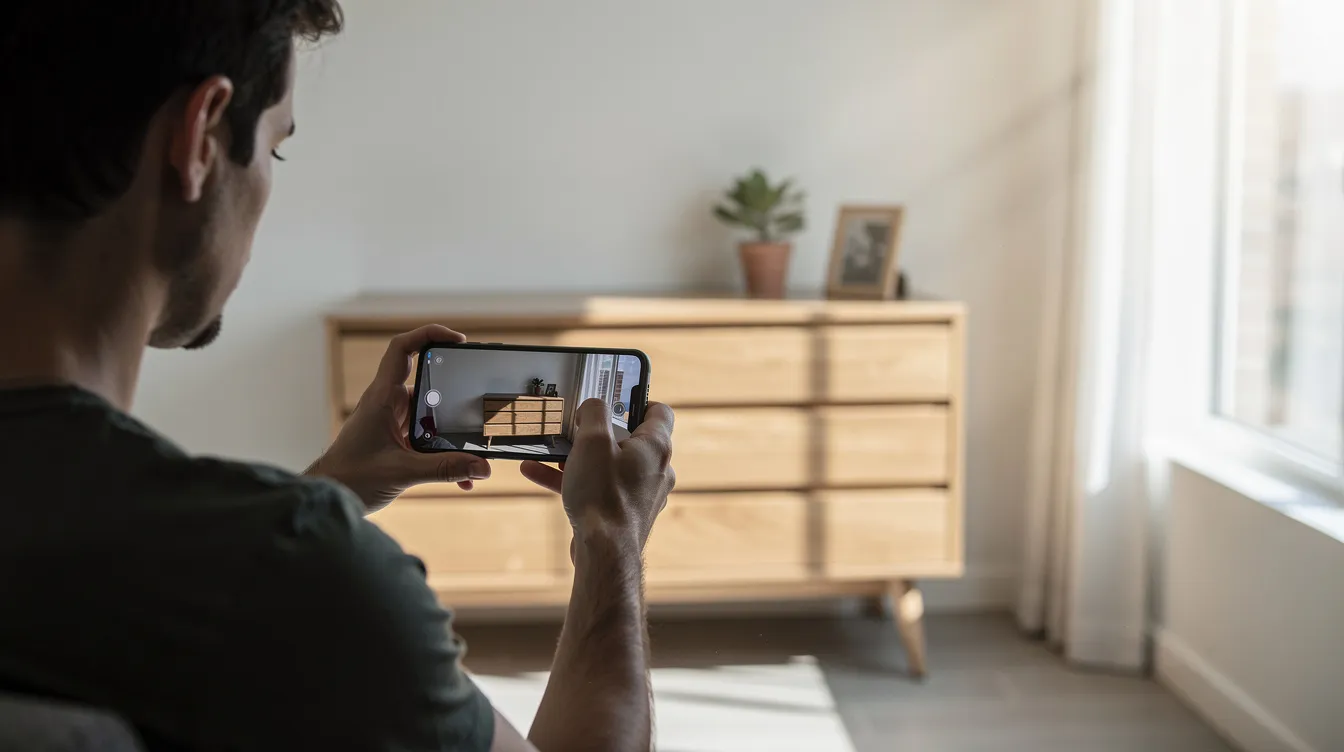
Facebook Marketplace is a built in buy and sell section inside Facebook where people list items with photos, a price and a location. It launched in 2016 for consumer to consumer sales and has grown rapidly since. By 2025, 20% of global consumers had purchased something on Facebook Marketplace.
Buyers search by category, keywords and distance, then message sellers directly in Facebook Messenger to ask questions, make offers and arrange collection or delivery. It is a very simple setup and most sales happen locally, with the buyer coming to collect.
Here is what you pay in fees:
| Sale type | Fee |
|---|---|
| Local pickup (buyer collects) | Free, no platform fees at all |
| Boosted listings (optional advertising) | Whatever budget you set |
| Facebook Marketplace listings are free to post. Selling on Facebook is generally free unless you choose to use ads. Creating a marketplace listing costs nothing, and local pickup sales incur no platform fees whatsoever. |
You can use Marketplace as an ordinary person to clear clutter, or connect it to a business page and shop tools if you want to build more serious, successful selling on Facebook over time.
Is Facebook Marketplace Worth It for You
Before you start listing everything in sight, it is worth thinking about whether selling on Facebook Marketplace suits what you are trying to do.
Benefits:
- Huge local audience. According to Ofcom’s Online Nation report, Marketplace had roughly 40% reach among UK adults by mid 2024.
- Free listings and no fees on local collection sales.
- Quick sales on bulky items like sofas, wardrobes and furniture that are costly to post.
- Real time chat with potential buyers through Messenger.
Downsides:
- Time wasters and no shows are common.
- Low offers can be frustrating.
- Risk of scams if you are not careful.
- You need to arrange safe meet ups rather than just popping something in the post.
Marketplace suits people decluttering a home, parents selling children’s clothes and toys, anyone shifting furniture, and small side hustles testing whether an item is worth selling regularly. If you have a friend or family member who has sold on Marketplace before, ask them what worked. Most people find their first sale easier than expected.
Step by Step: How to Create a Strong Marketplace Listing
This is the practical walkthrough from first click to hitting Publish.
On desktop: Open Facebook, click Marketplace in the left side menu, then click “Create new listing” and choose “Item for sale.”
On the mobile app: Tap the marketplace icon at the bottom or top of the screen, tap Sell, then tap “Item for sale.”
From there, follow these steps:
- Choose a category. Select the most relevant category and subcategory for your item. Use Facebook’s predefined categories for better visibility rather than leaving it as “Other.”
- Add photos. Include at least 5 high quality photos (more on this below).
- Write a clear title. Use keywords buyers would search for.
- Set a price. Research comparable items first.
- Write a description. List the exact dimensions, colour, material and reason for selling. Be specific.
- Set condition. Choose from New, Like New, Good or Fair. Be honest.
- Set your location and radius. This controls who sees your listing in their local area. You do not need to share your home address.
- Publish.
As a worked example, if you are listing a Dyson V8 cordless vacuum, your title might be “Dyson V8 Cordless Vacuum Cleaner 25.2V with Charger and Tools, Excellent Condition.” In the description, list what is included, battery life, any marks, and whether the home is smoke free or pet free. Set the price at around £350 based on what similar listings in your area are going for.
Photos That Make Your Item Sell Faster
Good photos are often the difference between a quick sale and something that sits unsold for weeks. Buyers scroll fast, and your photos need to stop them.
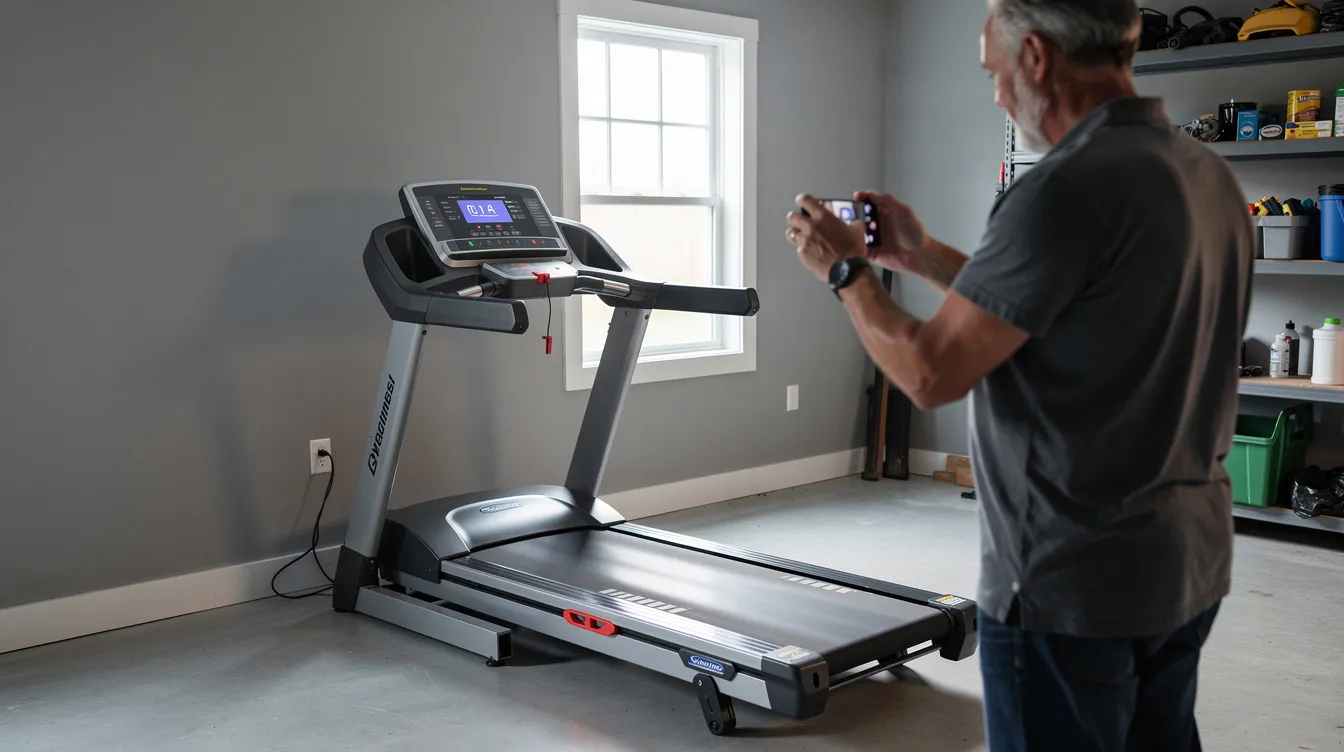
Use at least 5 high quality photos per listing. Photos should be at least 1000 pixels wide so they look sharp when buyers zoom in. Include close ups and wide shots: a front view, a side view, a close up of any brand label or detail, and honest photos of any damage or wear.
Simple tips anyone can do with a phone:
- Use natural lighting. Stand near a window or photograph outside on an overcast day.
- Remove personal items from the background. A plain wall or floor works best.
- Avoid mirrors that show you in pyjamas (it happens more than you would think).
- Do not use heavy filters that distort colours. Buyers want to see the actual item.
- For electrical items, photograph them switched on where safe to prove they work.
- Add photos from multiple angles so buyers can see everything without needing to ask.
One more thing: clean items sell faster and fetch higher prices. A quick wipe down before you photograph can make a real difference, especially for kitchen items, electronics and furniture.
Writing Titles and Descriptions That Buyers Actually Search For
Buyers on Facebook Marketplace search the way they talk. They type things like “IKEA Hemnes white chest of drawers” or “Dyson V8 cordless vacuum.” Your title needs to match those searches.
Use relevant keywords in your listing title. Include the brand, model, size, colour and key features. Write a searchable title using clear keywords that buyers might use.
Good title: “IKEA Hemnes White Chest of Drawers 6 Drawer 160cm” Bad title: “Lovely drawers, collection only”
In the description, use relevant keywords again and always include dimensions. Communicate clearly about item details and flaws. If there is a scratch on the top, say so. If the home is pet free, mention it. Be honest about your item’s condition to prevent disputes later.
Here is a quick checklist for descriptions:
- Brand and model number
- Dimensions (height, width, depth)
- Colour and material
- Condition with specific details
- What is included (cables, chargers, accessories)
- Reason for selling
- Collection or delivery details
How to Price Your Items So They Actually Sell
Many unsold Facebook Marketplace listings are simply too expensive compared with similar items nearby. Getting the price right is one of the biggest factors in selling quickly.
Start by researching. Search Facebook Marketplace for the same item in your local area to see what other sellers are asking. Then check eBay’s sold listings for a rough guide on what people actually pay. Research similar items on Marketplace to find a competitive price before you commit.
Price items 10 to 20% below comparable local listings if you want a fast sale. Leave a little room for negotiation because buyers will expect to haggle. If you want £30, list at around £35 to £38. Price items to leave room for negotiation and you will find the process much smoother.
Some things are simply not worth selling. Low value fast fashion that will only fetch a couple of pounds after your time and effort is better donated or bundled into a lot. If you search for your item and see dozens of identical listings at £2 or £3, your time is probably better spent elsewhere.
Collection and Delivery Options
There are two main ways to get items to buyers, and each has trade offs.
| Option | Fees | Best for |
|---|---|---|
| Local pickup (buyer collects) | Free | Bulky, heavy or fragile items |
| Local delivery (you drop off) | None from Facebook, your fuel costs | Helping buyers without transport |
| Local pickup is the simplest option. No fees, no packaging, and you accept cash or digital payments upon pickup. It works brilliantly for furniture, large electronics and anything that would cost a fortune to post. |
Staying Safe and Spotting Scams on Facebook Marketplace
Think of this as advice from a cautious friend rather than a scary warning. Most sales go smoothly, but it pays to be sensible.
For local meet ups:
- Meet in public places for safe transactions. Supermarket car parks during the day are ideal.
- Arrange exchanges in well lit public areas and tell a family member where you are going.
- Never invite strangers to your home address unless you feel completely comfortable.
- Verify payment has successfully cleared before handing over items. If someone pays by bank transfer, wait until you can see it in your account.
Common scam signs:
- Buyers insisting on using a courier or unusual payment method.
- Fake screenshots of bank transfers.
- Anyone asking you to click a payment link sent through Messenger.
- Requests to move the conversation off Facebook to email or WhatsApp.
Keep all communication inside Facebook Messenger so you have a record and can report anything suspicious. Never share login recovery and security codes with anyone. If a deal feels wrong, trust your instinct and walk away.

How to Boost Visibility and Sell Items Faster
Even good listings sometimes need a push. Here are free and paid ways to reach more potential buyers when you sell something on Facebook.
Free methods:
- Share your marketplace listing into local buy and sell groups. Search for your town name to find active selling groups and join groups in your area. Post in more than one group to gain visibility, but do not spam. Join a few groups that are relevant and post naturally.
- Buy and sell groups enable local transactions and are a brilliant way to reach customers you would not find through Marketplace search alone.
- Refresh listings if they stall. Renewing every 7 to 10 days helps maintain visibility in search results.
- Post listings at times when local audiences are most active. Post at optimal times for increased visibility. Many people scroll Facebook Marketplace in the evening and at weekends, so posting then can help your item appear higher in fresh results.
Paid option:
- Boosted listings appear in Facebook feeds and search results beyond your immediate area. You can set a small daily budget, essentially turning your listing into online advertising that reaches more people. This is helpful for higher value items where speed matters.
Good Messages, Polite Haggling and Keeping Time Wasters at Bay
Clear, friendly messages lead to more sales than short or blunt replies. Respond promptly to messages to build buyer trust. Sellers who reply quickly are more likely to close the deal before the buyer moves on.
Keep conversations concise to avoid confusion. A good first reply might look like:
“Hi, yes this is still available. The price is £35 and I can do collection from [area] this evening between 6 and 8, or Saturday morning. Let me know what works for you.”
For low offers, try something like:
“Thanks for your message. I could do £30 if you can collect today.”
That is polite, gives room, and sets a clear boundary. If someone keeps cancelling or rearranging, give them a deadline. Something like “I will hold it until 5pm today, then I will move on to the next buyer” keeps things fair without starting an argument.
Use Facebook Messenger for negotiations and arrangements so everything is in one place. And if someone simply stops replying, do not chase them three times. Move on.
Using a Business Page and Building a More Serious Side Hustle
If you want to move beyond the odd sale, setting up a Facebook business page can help you look more professional and keep all your listings in one place.
A business page connects to Marketplace and other Meta tools, including Facebook Shops. Facebook Shops allow businesses to create online storefronts where potential customers can browse your products without leaving Facebook. You do not need any technical skills to set this up.
To build a trustworthy seller reputation through honest practices:
- Use the same clear profile photo across your listings.
- Reply quickly to earn a “Very Responsive” badge.
- Ask happy buyers to leave positive ratings and a review.
- Keep your marketplace listing titles consistent in style and detail.
A quick reminder: side hustle income usually needs to be declared for tax once it passes the trading allowance. As of the current tax year, that is £3,000 in the UK. If you are regularly buying and reselling for profit, check the latest HMRC rules to make sure you are on the right side of things. A positive selling experience is great, but keeping your records straight matters too.
Common Mistakes to Avoid When Selling Items on Facebook
Here are the most common errors that slow down successful selling on Facebook Marketplace, and what to do instead.
- Poor photos. Dark, blurry or cluttered images get scrolled past. Take detailed photos in natural light with a plain background.
- Overpricing. If your item is listed at twice the going rate, you will get no interest. Check what other sellers are asking first.
- Vague descriptions. “Nice table, good condition” tells buyers nothing. Include brand, dimensions, colour, material and faults.
- Ignoring messages. Slow replies lose sales. Try to respond within 30 minutes during the day.
- Promising to hold items without a deposit. This leads to no shows. If someone wants you to hold something, ask for a small non refundable deposit via bank transfer.
- Forgetting to mark items as sold. Update listing status to mark items as pending or sold. Otherwise you waste time replying to messages about things that have already gone.
A simple tip: keep a note on your phone listing what is live, what is pending and what has been collected. Small improvements to your listings usually lead to more sales and fewer headaches, so it is worth spending five extra minutes getting it right.
Frequently Asked Questions
Do I Need a Business Page to Sell on Facebook Marketplace?
No. You only need a normal personal Facebook account to list and sell items on Marketplace. A business page is entirely optional and is mainly useful for people who want to build a brand, create a Facebook shop, or sell products on a more regular basis.
How Do I Know if Something Is Worth Selling on Facebook Marketplace?
Search for the same or a similar item on Marketplace and look at current prices and how many are listed. If the going rate is only a pound or two, it is probably not worth your time. Consider donating low value items or bundling them together as a lot to make the listing worthwhile. As a rough rule, if the item would not fetch at least £5 to £10 after your time photographing, listing and meeting the buyer, it might not be worth selling.
What Is the Safest Way to Get Paid When I Sell Something on Facebook?
For local deals, cash on collection is the simplest and safest option. Well known payment services like PayPal or a straightforward bank transfer also work, though you should always wait until the money is visible in your account before handing over the item. Never accept cheques, and be wary of anyone offering to pay with debit cards through unusual links. If a payment method feels unfamiliar or complicated, it is safer to say no.
Can I Sell Handmade or Small Business Products on Facebook Marketplace?
Yes. Many people sell handmade crafts, custom items and small business goods on Marketplace. Make sure your listing makes clear that items are new and handmade, mention any lead times for made to order products, and
