
How to Sell a Private Number Plate for the Best Price in the UK
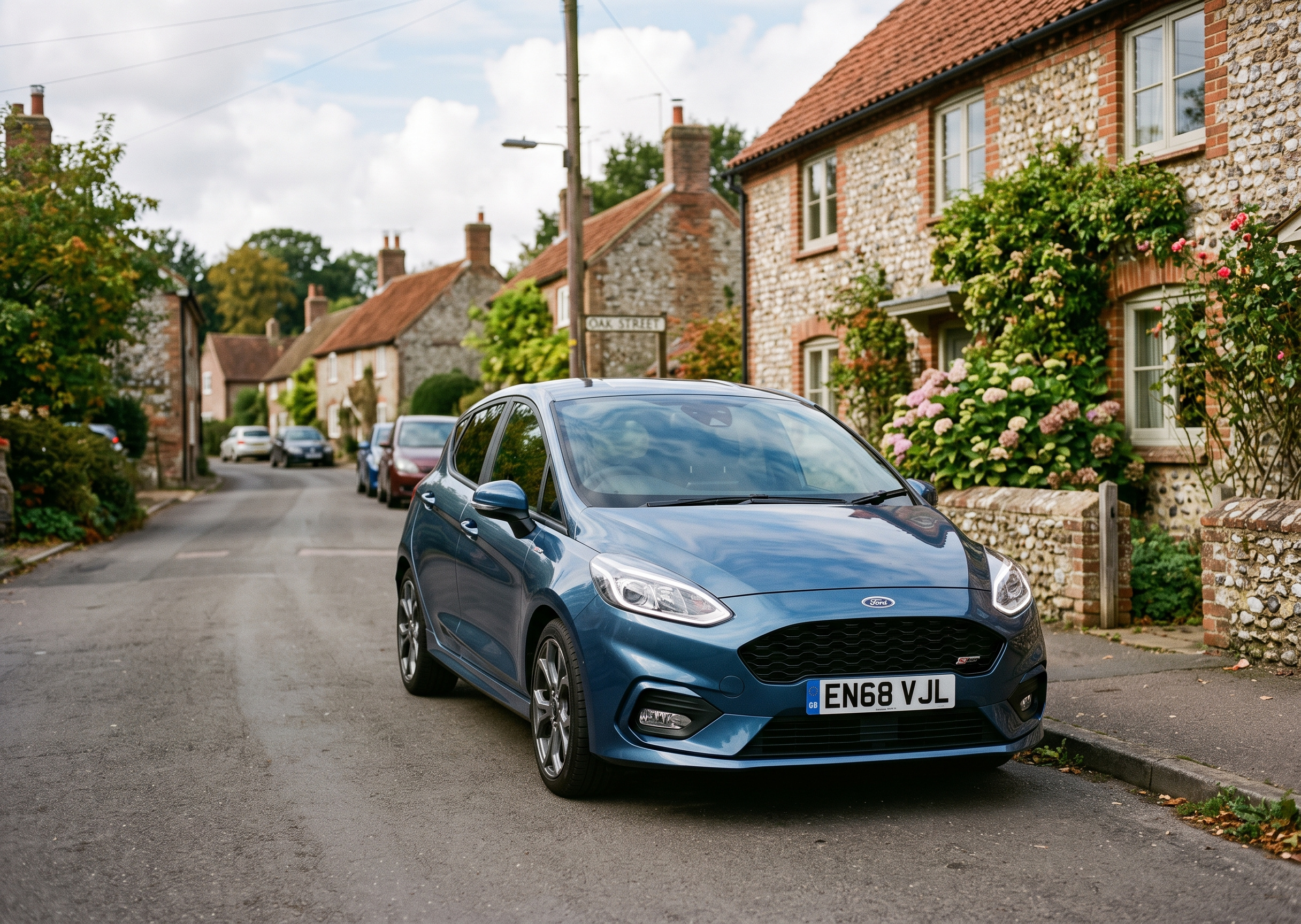
Selling a private number plate can be a great way to unlock some extra cash, but it’s not always as simple as just putting it up for sale.
Whether you’ve got a cherished registration or a personalised plate that’s been sitting unused, knowing how to sell a private plate properly can make a big difference to how much you get and how smoothly the process goes.
From understanding the DVLA personalised registrations rules to getting a free valuation and choosing the best way to sell your number, this guide will walk you through everything you need to know to sell your private registration plate safely and for the best price in 2026.
How Selling a Private Number Plate Works
Selling a private number plate in the UK is perfectly allowed, as long as the registration is transferable and not marked “non transferable” on your V5C logbook. Selling a private plate follows DVLA guidelines, and the process ends the same way regardless of which route you choose: the registration number gets assigned to the buyer’s vehicle through a DVLA number plate transfer.
A private number plate must be either on a V750 Certificate of Entitlement or a V778 retention document before it can change hands. The DVLA issues personalised registrations and runs its own auctions, but it does not buy plates back. So if you want cash for yours, you need to sell through a specialist dealer, an auction, or arrange a private sale yourself. This guide covers the practical steps, typical 2024 to 2026 prices and the mistakes worth avoiding.
Step One: Check You Are Allowed To Sell Your Plate
The first job is confirming the registration is yours to sell. Private number plates must be registered to a seller’s name to be sold legally. Check the V5C logbook if the plate is on a vehicle, or the V750 or V778 certificate if it is already held on paper.
Look for any “non transferable” wording on the V5C. If that phrase appears, the plate is locked to the car and cannot be sold separately. The name and address on the document must match yours, and the vehicle (if used) must meet DVLA rules for transfer. You also need a V5C logbook to apply for retention if you want to take the plate off the car first.
If documents are missing, apply for a replacement V5C online or by post. Allow around two weeks. If your retention application is denied for any reason, you lose the plate rights, so it is worth making sure everything is in order before you start advertising.
Step Two: Get A Realistic Free Valuation
Before listing anything, get at least one free valuation from a number plate specialist to see what your reg number is likely to fetch. Free valuations provide an indication of market value, but they are not a guaranteed sale price.
Several factors affect what a plate is worth. Dateless plates command the highest prices in the market. Shorter registrations with fewer characters are more valuable. Plates resembling common names attract higher offers, and lower numbers are generally more desirable. Provenance can increase a plate’s value too; if a famous person or notable car once carried the registration, that history adds appeal. Valuations also consider the popularity of letters and numbers, and how easy the plate is to read. The higher a plate’s readability, the more likely it is to attract buyers.
Here is a rough guide to typical 2026 price bands:
| Format | Typical Value |
|---|---|
| Current style, common letters | £250 to £600 |
| Current style, spells a name | £600 to £3,000 |
| Prefix or suffix with a name | £1,500 to £10,000 |
| Dateless, 4 to 6 characters | £5,000 to £40,000 |
| Dateless, 1 to 3 characters | £25,000 to £150,000+ |
Establishing a plate’s value requires comparing it with similar registrations that have recently sold, not just what other sellers are asking. Plates that are overpriced badly often sit unsold for months. A fairly priced personalised number plate will sell faster.
Choosing How To Sell: Dealer, Auction Or Private Sale
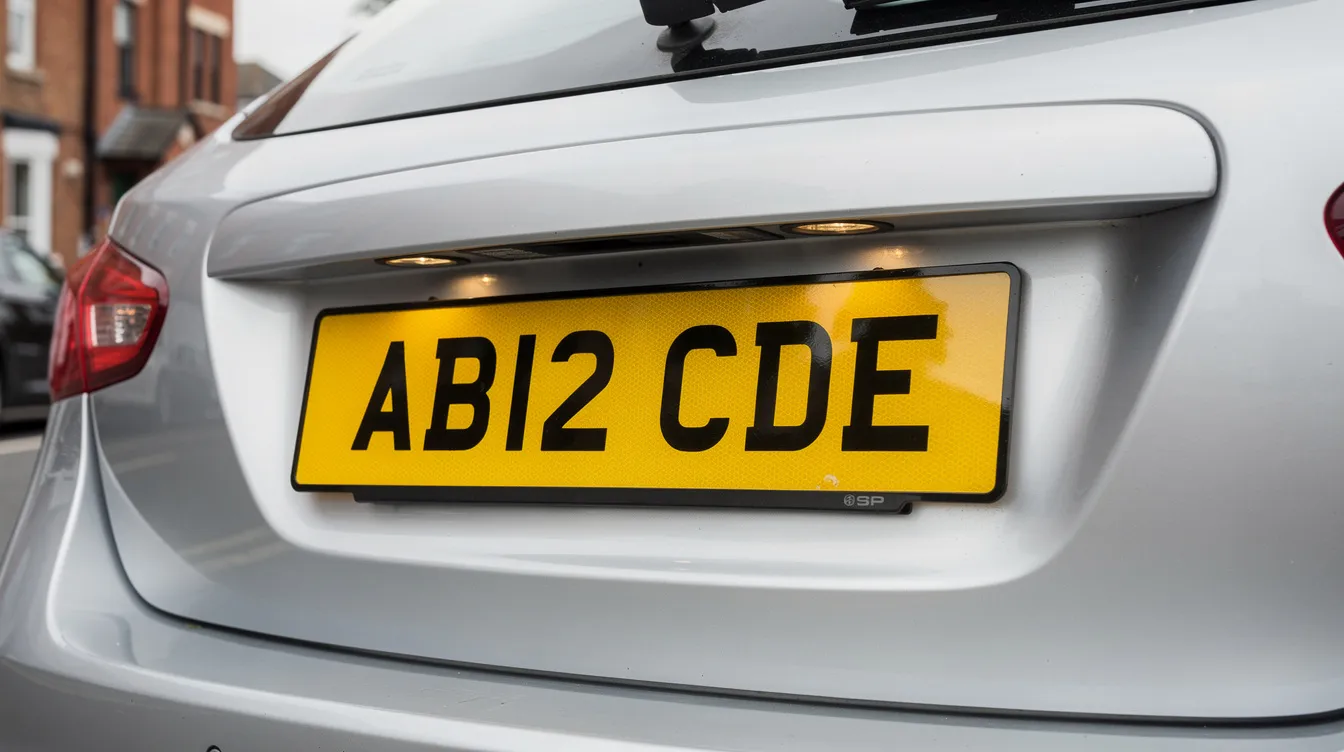
Sellers can either use a dealer or sell privately to market their number plate. There is also the auction route. The best option depends on how quickly you want the money, the plate’s value, and whether you are happy handling DVLA paperwork yourself.
Selling Through A Specialist Number Plate Dealer
Most dealers offer a free valuation, then either buy your plate outright at a trade price or list it on commission on your behalf. Selling through a specialist dealer can simplify the selling process because they handle adverts, prospective buyers, the DVLA transfer and payment. You can sell your plate directly to a dealer if you want cash quickly, though the trade price will be lower than the open market value.
Listing your plate with a busy dealer can attract thousands of potential buyers through their search results. You can set your own asking price when selling on commission, but remember that most dealers take 10% to 20%. Before signing up, check whether the dealer is UK based, how they pay you, and whether you can remove your listing if you change your mind.
Selling Via An Auction
You can sell your plate through an auction. The DVLA runs its own auctions roughly six times a year, and private auction sites handle used personalised plates too. A fixed end date can flush out serious buyers and create competitive bidding.
Set a sensible reserve based on your earlier valuation so you do not accidentally give away a high value registration mark cheaply. Auctions work best for eye catching or rare plates; very obscure combinations rarely spark a bidding war. Be aware that auction fees and buyer premiums eat into your return, and if the reserve is not met, the plate stays unsold.
Selling Privately
Selling privately through classified ads, car forums or social media groups can sometimes bring the very best deal because there is no dealer margin. The trade off is real: you write the advert, answer questions, screen the buyer, agree a price and arrange payment and transfer yourself. Effective advertising includes clear presentation and information about the plate’s desirability.
Never share photos or scans of your V750 or V778 document online for security reasons. Uploading these documents publicly may lead to cloning or fraudulent transfer attempts. Only accept cleared funds before handing over anything. Private sellers handling higher value personalised registration plates may find it worth paying a small commission to a specialist rather than risking a large loss to a scam.
Selling A Plate On Retention Versus On A Vehicle
A personalised registration plate held on a V778 retention certificate is easier to sell than one still sitting on a car. Buyers often prefer plates on retention because they can assign the registration to their own vehicle whenever they are ready, without waiting for you to sort out your car first.
To put a plate on retention, you must apply to the DVLA using your V5C. It costs £80 to place a number plate on a V778 retention document. A successful application provides a V778 retention certificate, and you can retain a plate for up to 10 years. Your car gets an age related number plate in return.
Buyers can only acquire ownership of a plate if the seller has retained it legally. Selling from retention is usually simpler: you update the certificate details, the buyer gets the reference, and they assign it to their vehicle. If you are selling a plate still on a car, you either sell both together or complete a DVLA transfer to the buyer’s vehicle before handing anything over.
How The DVLA Number Plate Transfer Actually Works
The process works like this: the buyer pays you, then you or the dealer apply online to assign the registration number to the buyer’s vehicle. The DVLA updates vehicle details after a transfer and issues a new V5C logbook.
In plain English, the V5C is the car’s logbook showing its keeper and registration. The V750 is a certificate of entitlement for a new number plate bought from the DVLA. The V778 is the retention document for a plate taken off a vehicle. You must complete DVLA paperwork to legally transfer ownership of a private number plate, and the registration must be assigned to the buyer’s vehicle through DVLA after the sale.
Online transfers often complete the same day. New V5C logbooks usually arrive within one to two weeks. Do not fit a new number plate to any vehicle until the DVLA confirms the transfer, and make sure old plates are removed or destroyed once the change is official.
Setting Your Price And Getting The Best Deal
Turn your free valuation into a real asking price by checking what similar plates are listed for and what they recently sold for. Recent auction results show “15 LAM” fetching £156,010 and “57 O” selling for £84,140, but those are rare, short dateless plates. A plate’s appeal may vary based on buyer interest and market conditions, so aim for the realistic middle of your valuation range rather than the dream figure.
If you need the money quickly, price keenly. If you can wait, start a higher price and adjust after three to six months if there is no interest. Watch out for hidden admin fees and check whether the price you agree is what you actually receive after commission. Payment should be secured before the DVLA transfer is started; cleared funds must be received before transferring the registration number to a buyer’s vehicle.
Common Mistakes And How To Avoid Them
A few errors come up again and again. Trying to sell a non transferable plate is the most basic; it simply cannot be done. Advertising a plate not registered in the seller’s name will block the transfer at the DVLA end. Letting a retention certificate quietly expire after 10 years means losing the right to the plate entirely.
You should not upload V750 or V778 documents online as it may lead to cloning. Even a partial scan in the wrong hands can let fraudsters attempt a transfer without your knowledge. When it comes to payment, accept bank transfers into your own account for any plate of real value. Cheques, bank drafts and unfamiliar payment apps carry too much risk.
Finally, never drive on a registration that has not been assigned to your car by the DVLA. Doing so can trigger fines and cause confusion with insurance and ANPR cameras.
Is It Worth Selling Your Private Plate Now
A private plate can be a genuine asset, especially if it is short, dateless or clearly spells a recognisable name. With the DVLA raising over £274 million from personalised registrations in 2024 to 2025, there is clearly a healthy market for the right buyer. Selling now can free up useful cash.
The simple order of action: confirm the plate is transferable, get a free valuation, decide how you want to sell, agree a fair asking price and complete the transfer carefully. Take your time choosing a selling method, keep your documents safe, and do not be afraid to walk away from any person or dealer who makes you feel rushed.
Frequently Asked Questions
Can I Sell My Private Number Plate Back To The DVLA
No. The DVLA only issues registrations and runs its own auctions for new plates. It does not buy used private plates and will not pay you to take a personalised number back. If you no longer want your plate, you can let the entitlement lapse or move it off your car, but there is no buy back scheme. You need to sell through a dealer, auction or private sale.
Will My Private Number Plate Go Up In Value If I Wait
Some plates do rise over time, particularly short dateless registrations and strong names. Dateless plates tend to hold value well. But there are no guarantees, and values can dip if trends shift or similar plates flood the market. Treat a plate as a nice bonus rather than a sure investment, and decide based on your own finances rather than hoping for a future windfall.
Do I Need To Put My Plate On Retention Before I Sell It
You do not have to, but putting a plate on a V778 retention certificate before sale makes the whole thing easier. The buyer can then assign it to any suitable car in their own time, which is hassle free for both sides. Some dealers prefer or insist on plates being on retention to speed up the selling process, and the DVLA online service usually handles it quickly for the £80 fee.
How Long Does It Usually Take To Sell A Private Number Plate
Desirable plates with recognisable words, common names or short dateless formats can sell in days or weeks. More obscure combinations may sit for months even when fairly priced. Listing with a large dealer or busy marketplace helps a plate sell faster and improves visibility in search results, but there is never a guaranteed timeframe. If your plate is quite niche, be prepared to wait and review your price after three to six months.
Is It Safer To Sell A Private Plate With The Car Or On Its Own
Selling with the car is simple, but the new owner gets both assets together, so you must be happy with the combined price. You cannot later claim the personalised number back once the transaction is complete. Selling the plate on its own, preferably on retention, gives clearer separation and often a higher price for the registration itself. It does add an extra DVLA transfer step, but for most sellers that trade off is worth it.
