
How to Sell Clothes Online and Actually Make Money From Your Wardrobe
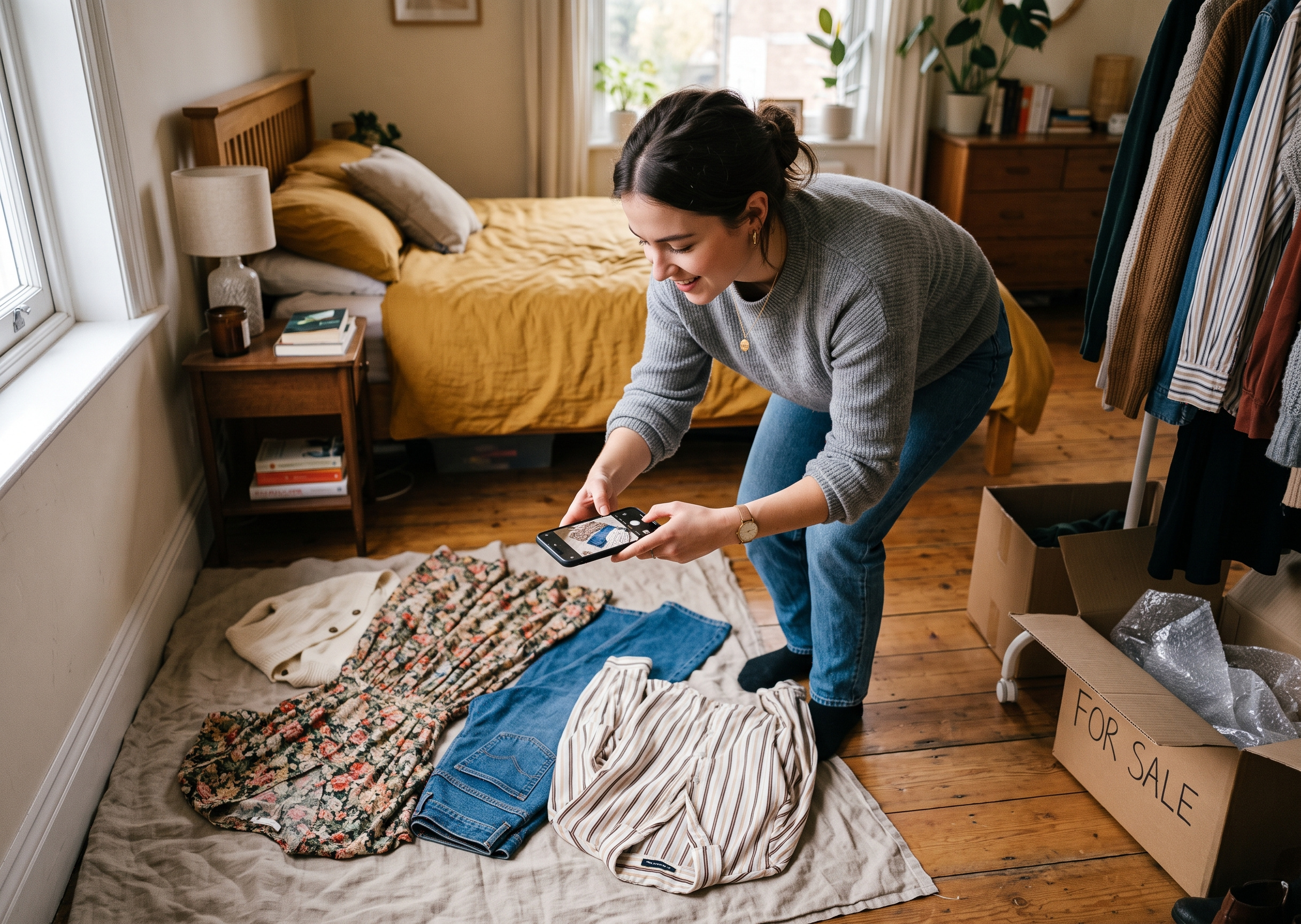
Selling clothes online can be a fantastic way to clear out your wardrobe, make some extra cash, and help the environment by giving your unwanted items a second life.
It might seem a bit daunting at first, but with the right approach, you can successfully turn your preloved clothes into money without much hassle.
In this article, we’ll share tips and advice to help you get started and make the most out of your online selling experience.
Key Takeaways
- Start by sorting unwanted clothes into clear piles to sell, donate, recycle or bin, then pick 5 to 10 easy wins to list first so you make money quickly.
- Good photos, honest descriptions and realistic prices are what sell second hand clothes online, far more than fancy wording or styling tricks.
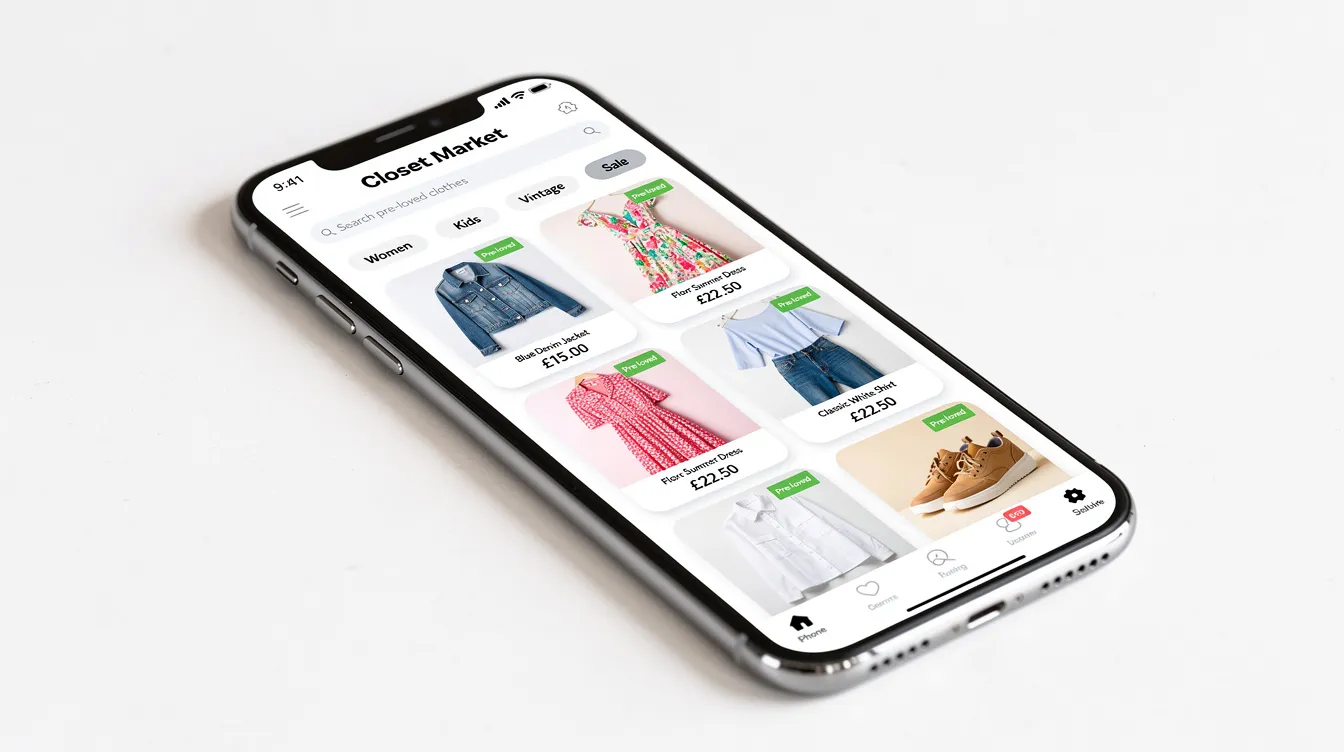
- Choose the right platform for each item: Vinted and Depop for trend led pieces, eBay for branded and vintage garments, and bundle children’s clothes to shift them fast.
Why Selling Clothes Online Is Worth Your Time
Most of us buy clothes online, wear them a handful of times, then let them sit in the wardrobe gathering dust. Around 336,000 tonnes of clothing becomes waste in the UK each year that cannot be reused, and nearly half of all unwanted clothing ends up in the bin rather than being sold or donated. That is a lot of wasted money and a lot of wasted fabric.
The good news is that average earnings from selling clothes online can reach £500 or more, and sellers who stick with it can earn £600 to £2,000 annually. A 2025 Post Office survey found that over 30 million UK adults have sold clothes or goods online. You do not need to be an influencer or a fashion expert. You just need to be organised, honest and ready to snap a few decent pictures.
Step One: Sort Your Wardrobe and Decide What to Sell
Set aside one afternoon for a proper wardrobe sweep. Pull everything out and make four piles: sell, donate, recycle and keep. Be honest with yourself. If you have not worn a piece in over a year, it is time to let it go, even if it was expensive.
Clothes that usually sell well include branded items people recognise: Levi’s jeans, Barbour jackets, Zara dresses, Next knitwear, and good condition trainers. Children’s clothes from supermarket brands sell well in bundles. Skip very worn basics, bobbly T shirts and stained school polo shirts. Those are better off going to textile recycling. Starting an online clothing store, even a casual one, requires a mix of fashion sense, marketing and planning. Defining a niche helps sellers target a specific audience, so think about what category of clothing you have the most of.
Quick checklist for items worth listing:
- Good condition with no major damage
- Clear size label still attached
- A brand or store buyers will recognise
- Current or classic style that people are still wearing
Choosing the Best Place to Sell Clothes Online
Choosing the right marketplace for selling clothes is crucial for success. Each platform suits different types of items, and choosing the right business model matters.
- Vinted is popular for women’s fashion and kids’ clothing. Private sellers pay 0% commission, and bundle deals can attract more customers on Vinted. Great for day to day garments priced under £30.
- Depop is ideal for selling vintage clothing to a stylish community. Y2K streetwear, graphic tees and statement pieces do well here. Sellers pay a payment processing fee of about 2.9% plus 30p.
- eBay has 135 million users, making it a vast marketplace for branded coats, vintage band T shirts and similar items with broad interest. Private sellers pay no commission on clothing.
- Facebook Marketplace works for bulky or heavy items where local collection saves on postage.
If something does not sell on one site, try another. Cross posting tools allow listings on multiple platforms simultaneously, saving time. Keep a simple note on your phone to track where each item is listed so nothing gets forgotten.
How to Get Great Photos of Your Second Hand Clothes
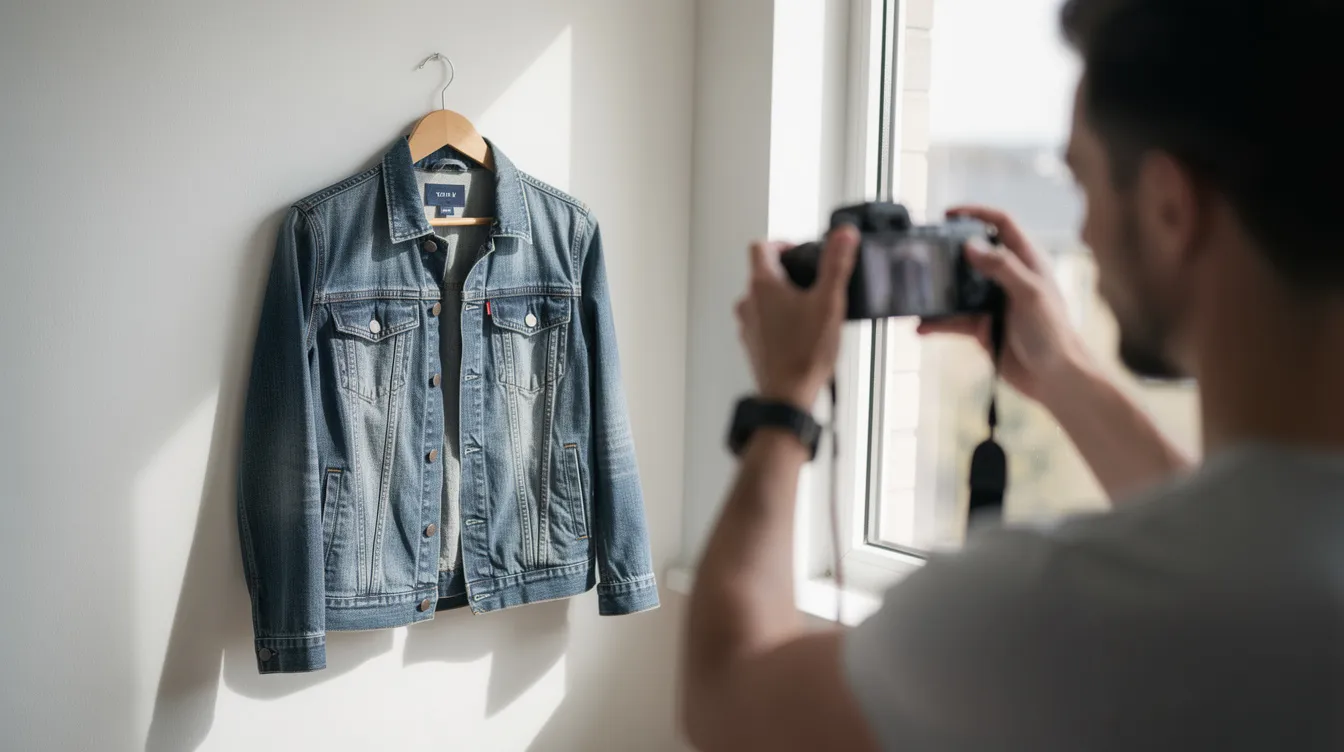
Successful online clothing sales depend on presentation, platform selection and buyer trust, and photos are where presentation starts. You only need a smartphone and a window.
- Take photos in natural sunlight to avoid shadows. Stand near a window with a plain white wall or clean door as your background.
- Use multiple angles to showcase clothing items: full front, full back, close up of the brand label, and the care label with fabric details.
- Show flaws in clothing photos to avoid disputes. A tiny mark or pulled thread photographed clearly builds trust and prevents returns.
- Portrait orientations work best for clothing photos on apps like Vinted and Depop.
- Capture images of clothing being worn to increase interest. Even a quick snap of you wearing it helps buyers judge the fit.
- Avoid heavy filters that change the colour of the fabric. What buyers see should match what arrives.
Writing Listings That Make People Confident to Buy
A vague title like “pretty dress” will not get found. Descriptive and strategic keyword titles improve searchability. Write something like “Zara floral midi dress size 12 blue” instead, because using the right keywords increases visibility in searches. Use keywords that buyers search for in your listings, including terms like “second hand”, “vintage”, “wedding guest” or “cashmere” where true.
Detailed descriptions help buyers decide on purchases, and 40% of buyers are deterred by vague descriptions. In three to five lines, cover the brand, sizes available, fabric type, colour, condition and how many times the item has been worn. Including material type is crucial for clothing listings. Add detailed measurements to help prevent sizing confusion. Explicitly mention flaws such as “small mark near hem” to avoid buyer disappointment. Save a reusable template for common items like T shirts or children’s leggings to speed up the process and write listings faster.
Pricing, Posting and Getting Paid Without Hassle
Researching competitor pricing helps in setting competitive prices for clothing. eBay recommends checking similar items for appropriate pricing, so search sold listings on eBay and active listings on Vinted before you set a price. Competitive pricing can increase revenue and boost sales, so price slightly under comparable items if you want a quick sell.
Selling clothes in the right season boosts sales. List winter coats in October, not April. Selling clothes on eBay is best on Sunday evenings when more buyers are browsing, and ten day auctions on eBay maximize bidding opportunities for higher value pieces.
Quick pricing checks:
- Search “sold” listings for your exact item on eBay
- Check three to five active listings on Vinted for the same brand and category
- Factor in postage costs so you do not end up out of pocket
- Offer bundle discounts to move multiple items together
Keep a small stash of mailing bags at home and post on set days each week. Fast and secure shipping improves seller reviews and rankings. Use in app payment systems on Vinted, Depop and eBay. Never share your bank account details or accept direct transfers from strangers. If doing local collection, always meet in a public place.
Staying Motivated and Turning Selling Clothes Into a Habit
Set a small goal to start, like making £50 in your first month. Collecting customer feedback is essential for improving your process, so read buyer comments and adjust your photos or descriptions based on what people say. Using visual social media channels is effective for promoting clothing if you want to engage a wider audience and boost your listings beyond the app.
Keep a “to list” box in your wardrobe. Block out one evening a week for photos and listings. Batch your trips to the post office. The environmental boost of keeping second hand clothes in use for longer is real. About £140 million worth of clothing goes to landfill every year in the UK, so every item you sell is one less in the bin. Even selling one or two items a week adds up over a year and is far better than letting good clothes go to waste.
Conclusion
The whole process comes down to a few clear steps: sort your wardrobe, choose the right platform, take honest photos, write strong listings and price things sensibly. You do not need to be perfect to start. Listing a handful of second hand items this week is better than waiting for the “right time” that never comes.
Pick three unwanted clothes today, snap a few photos and list them. That is all it takes to turn your wardrobe into extra money.
Frequently Asked Questions
Here are answers to common questions about reselling clothes online that were not covered in full detail above.
What are the easiest clothes to sell if I am a complete beginner?
Branded high street pieces in good condition sell quickest. Think Next jumpers, Zara dresses, M&S knitwear and Levi’s jeans. Children’s clothes in bundles from supermarket brands also move fast. Avoid very niche or formal items at first and start with pieces that are easy to photograph and post so the process feels manageable.
How long does it usually take for second hand clothes to sell online?
Some items sell within a day, while others take a few weeks. On Vinted, most items sell in 14 to 30 days. On eBay, popular branded items can go in 7 to 14 days. If things are slow, try improving your photos, cutting the price by a couple of pounds, or adding more detail to the description.
Should I wash clothes before I list them for sale?
Yes. Clothes should be clean, fresh and free of pet hair or strong scents before you take photos and post them. Check care labels, air dry in a cool place and use a steamer to freshen items without damaging delicate fabrics.
What should I do if a buyer says the item is not as described?
Message them politely within the platform and check your photos and description. If they are clearly right, agree a return. Use the dispute or help systems built into Vinted, Depop or eBay if you cannot reach agreement, as this keeps your protection in place.
Is it worth selling very cheap supermarket basics or is it better to donate them?
Single low value basics are rarely worth listing alone. They work well in bundles though, such as “10 to 12 years T shirt bundle” or “workout leggings pack of 4”. If items are very worn, bobbly or stained, it is kinder and simpler to donate or send them to textile recycling instead.
