
Nimbus Access Card: Complete Guide to Eligibility, Benefits & How to Apply
Everything You Need to Know About the Nimbus Access Card
The Nimbus Access Card is one of the most practical tools available for disabled people in the UK who want to attend events, visit attractions, or simply get on with everyday life without the stress of repeatedly having to prove their access needs.
This guide covers who can apply, what the application process looks like, and the discounts and support the card can unlock.
Key Takeaways
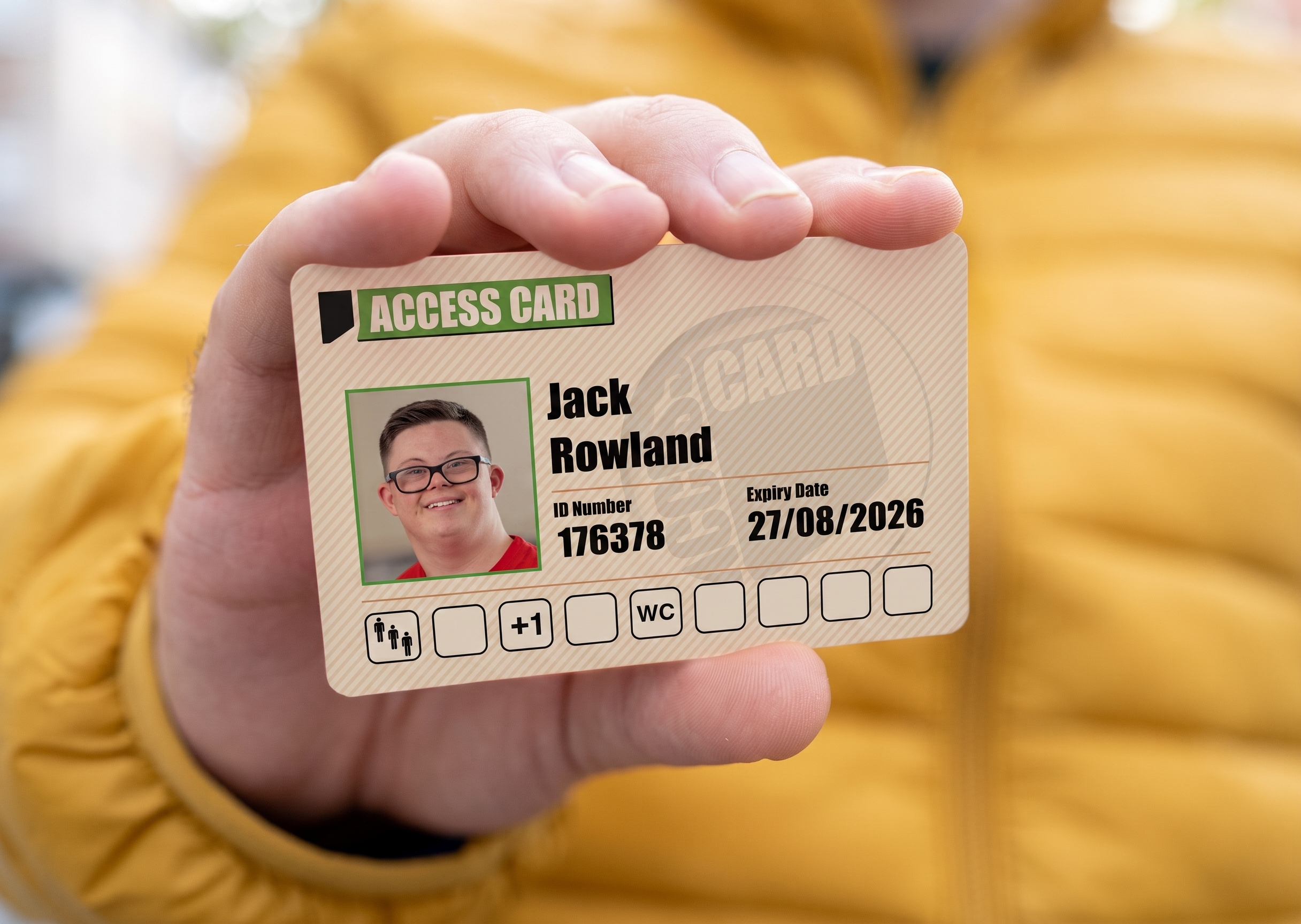
- The Nimbus Access Card is a photo ID that translates a disabled person’s access needs into recognised symbols, used at thousands of venues across the UK and beyond. It uses up to nine symbols to communicate specific access requirements to venue staff quickly and clearly.
- Anyone who meets the Equality Act 2010 definition of disability can apply, including people with long-term, substantial conditions and many hidden disabilities. You do not need to be receiving disability benefits to be eligible.
- The application process is fully online through Nimbus Disability. Applicants provide evidence of their access requirements, upload a photo, and pay £15 for a physical card that is valid for three years.
- The card can unlock practical support and discounts such as free essential companion tickets, concession prices, queue management, and accessible seating at participating events and venues.
- The Access Card does not replace legal rights under the Equality Act. It simply makes those rights easier for venues and ticketing systems to recognise and act on.
What Is the Nimbus Access Card?
The Nimbus Access Card is a nationally recognised access card scheme created and run by Nimbus Disability, a social enterprise led by disabled people. It converts a person’s access needs into up to nine simple access symbols printed on a photo ID card. Rather than carrying medical letters, benefit letters, or medical reports to every venue, the card acts as a one-time, evidence-based proof of what reasonable adjustments someone needs.
Each symbol on the card represents a specific need. For example, the standing and queueing symbol indicates difficulty with prolonged standing. The level access symbol is for those needing wheelchair accessible facilities. The urgent toilet access symbol covers immediate toilet access requirements. The assistance dogs symbol indicates trained support animals, and the essential companions symbol is for individuals needing significant support. These are just a few examples of what the card can show.
In practice, venue staff can see at a glance what adjustments are needed, without the cardholder having to repeatedly explain their condition. The card also integrates with online ticketing systems, allowing accessible tickets and companion tickets to be unlocked automatically. The scheme is built around the Equality Act 2010, turning legal rights to reasonable adjustments into practical, easy-to-read indicators. The Access Card platform received a Queen’s Award for Enterprise in Innovation, which speaks to its credibility and how widely accepted it is across the UK.
Who Can Apply for a Nimbus Access Card?
Eligibility is based on individual access needs, not on having a particular diagnosis or being on a specific benefit. What matters is whether you meet the Equality Act definition of disability. That means having a long-term condition, lasting or expected to last at least 12 months, which has a substantial impact on your day-to-day activities.
This covers a wide range of conditions: physical, sensory, learning, mental health, and neurodivergent. It also includes hidden disabilities where there is no outward sign of someone’s condition. You do not need to be in receipt of PIP, DLA, or other disability benefits to apply. Those award letters can be used as evidence, but alternative documentation is accepted too.
There is no minimum or maximum age. Parents or carers can apply on behalf of children or adults who cannot manage the process themselves. The card is always issued in the disabled person’s name.
Typical access needs that might qualify include being unable to stand or queue for long periods, needing an essential companion for safety, requiring step-free or level access, relying on an assistance dog, needing urgent toilet access, or having difficulty accessing visual information or audible information. Applications are open to residents across the UK and, in many cases, to disabled people living outside the UK who regularly visit UK venues.
Evidence and Access Requirements: What You Need to Provide
Nimbus does not just look at a diagnosis. The access card team assess each application by looking at evidence of the applicant’s specific needs and how their condition affects daily life. Applicants must provide medical evidence and proof of identity as part of the application process.
Documents that work well include:
- Recent consultant or GP letters on headed paper
- Occupational therapist reports
- Education, Health and Care Plans (EHCPs)
- Social care assessments
- PIP, DLA, or Attendance Allowance award letters
For each symbol requested, you should describe how your condition creates that access requirement. For example, if you are requesting the standing and queueing symbol, your evidence should show that standing for prolonged periods causes pain, fatigue, or similar difficulty. The application process includes providing evidence for each access symbol you want.
Clear, up-to-date documents speed things up. Older or unclear papers may lead the team to ask follow-up questions. If you are unsure what to submit, start the application anyway. Nimbus can guide you on what additional needs to be provided. Your card can be updated later if new evidence emerges.
On data handling, your evidence is used solely to assess access requirements and allocate symbols. This helps protect accessible features like companion tickets from misuse and can prevent misuse of accessibility facilities by validating needs.
How to Apply for a Nimbus Access Card (Step-by-Step)
The whole process is online through the official Nimbus Disability Access Card website. It is designed to be straightforward, even if you are not especially confident online.
Here is what you will do:
- Create an account on the Access Card portal.
- Complete a form about your disability or access requirements and additional needs.
- Upload a passport-style photo for your card.
- Provide proof of identity.
- Upload supporting evidence for the symbols you are requesting.
The standard fee for the physical card is £15, paid securely online. The Access Card costs £15 and lasts for three years from the date of issue. A free Digital Access Pass is also available for specific venues, though this does not come with a physical card and is only valid with that particular provider. A free Digital Access Pass is available for single venues if that is all you need.
Once submitted, Nimbus Disability’s team reviews your application. They may request clarification or further evidence to make sure the symbols accurately reflect your access needs. Processing typically takes a few working days once all documents are in, with printing and standard UK post adding roughly one to two weeks.
Apply a few weeks before you need the card for a specific event. That gives plenty of time for assessment, printing, and postage.

Where You Can Use the Nimbus Access Card (UK and Beyond)
The Access Card is recognised at thousands of venues in the UK and beyond. These include theme parks, arenas, theatres, festivals, museums, zoos, and visitor attractions of all sizes. It is widely accepted as proof of access needs at many venues and events.
Well-known locations that accept the card include Alton Towers, Drayton Manor, and Paultons Park, as well as major concert arenas and heritage sites. Venues include theme parks, festivals, and theatres, though the specific benefits on offer can vary by provider.
Many ticketing systems link directly to the Access Card database. When a cardholder enters their contact details and card number, the system can automatically unlock accessible ticket types, companion tickets, or queue management options. The card can unlock access facilities online without needing to upload fresh proof each time. This reduces administration for businesses by verifying access requests up front.
Acceptance extends across the UK and beyond, with some international venues and festivals using the same symbol system or the underlying Nimbus Operating System. However, coverage is strongest in the UK, so if you are travelling, always check venue policies in advance. Nimbus maintains a provider directory where you can look up which providers currently accept the card and what that means in practice, as acceptance policies vary by venue and provider.
Even without a card, venues still have legal obligations to provide accessibility and make reasonable adjustments. The card simply helps them understand and respond to your access requirements more quickly and consistently. Businesses can also attract disabled customers by adopting the Access Card system and can use it to help comply with accessibility legislation.
Discounts, Companion Tickets and Other Benefits
The Nimbus Access Card is not a discount scheme like a loyalty card. Instead, it acts as trusted proof of access needs that can unlock concessions, discounts, and access support where venues choose to offer them.
The essential companions symbol is worth highlighting. When printed on the card and recognised by a venue, it often allows the cardholder to book a free or heavily discounted carer or companion ticket for concerts, theatre shows, sports fixtures, and theme parks. A single free companion ticket at a large arena show can easily offset the £15 fee.
Other common benefits linked to access symbols include:
- Concession-price tickets or discounts at participating venues
- Priority or accessible queues
- Step-free seating areas and accessible viewing platforms
- Accessible toilets and parking adjustments
- Access to quiet spaces for those with sensory needs
Benefits are not guaranteed and differ from one provider to another. The Equality Act requires reasonable adjustments, but each venue decides how to structure its offers. That is why checking venue-specific information and contact details in advance is always a good idea.
Over the card’s three-year life, the financial savings can add up quickly. Beyond the money, the card reduces the administrative burden of repeatedly having to prove your disability to access concessions. It eliminates the need to repeatedly provide medical documents at different venues and cuts out repeated conversations about your condition.
Keep the card with you for everyday activities, not just big events. Increasing numbers of cinemas, leisure centres, visitor attractions, and transport services now recognise the symbols for access and discount purposes.
Living With the Nimbus Access Card: Practical Tips and Renewals
Once you have the card, it can simplify everyday experiences, from booking tickets online to arriving at a venue. This is especially true for people with hidden disabilities who find it stressful to repeatedly explain their conditions. The card serves as a recognised proof of needs for disabled individuals and helps communicate what adjustments are needed without any fuss.
A few practical tips:
- Keep a clear photo of your card on your phone in case the physical card is forgotten.
- Note your card number somewhere safe.
- Mention your Access Card when you contact a venue’s accessibility or guest services team.
Renewal reminders are sent three months before expiry, so you will have time to complete an online renewal form confirming whether your access requirements have changed. If your needs change significantly before expiry, perhaps following surgery, progression of a condition, or a new diagnosis, you can request a reassessment and an updated card, usually for a small administration fee.
You remain protected by the Equality Act whether or not your card is current, but keeping it up to date ensures the symbols accurately reflect what adjustments you need at venues across the UK. Many disabled people and families find the card becomes a standard part of their wallet, sitting alongside their bank card and ID, because of how often it proves useful.
Frequently Asked Questions
Can I use the Nimbus Access Card if I live outside the UK?
Yes. Disabled people living outside the UK can usually apply if they can provide suitable evidence of their access needs. The card is fully usable when visiting UK venues that recognise it. Some international venues and festivals also accept the card or use the same Nimbus Operating System, but coverage is strongest across the UK. Always check with specific venues before you visit.
How long does it take to get my Nimbus Access Card after applying?
Processing times vary depending on application volume and how complete your evidence is, but many applications are assessed within a few working days once all documents are received. Printing takes place on working days and, with standard UK post, most cardholders receive their card within one to two weeks. Upgraded postage options can shorten delivery once the card is approved.
What happens if my application is refused or a symbol is not granted?
Nimbus may decline to issue a card or a particular symbol if the evidence does not support the requested access requirement. Applicants are usually told why and given a chance to provide further information. You can contact Nimbus Disability directly to discuss decisions, supply new evidence, or request a review if your circumstances change.
What should I do if my card is lost, stolen or damaged?
Contact Nimbus as soon as possible. A replacement card can normally be issued for a small reprint fee, with the original card cancelled. Keep a digital photo of the card and know your card number, as some venues and ticketing systems can verify your access requirements while a replacement is on its way.
Does the Nimbus Access Card replace my legal rights under the Equality Act?
No. The card does not replace or limit anyone’s legal rights. Disabled people are still entitled to reasonable adjustments under the Equality Act 2010 whether they hold a card or not. The Access Card simply provides a widely recognised, standardised way of showing evidence of access needs, which makes it easier for venues to understand and fulfil their legal responsibilities in practice.
